ASELSAN:
 Lockheed Martin:
 Rheinmetall:
 BAE Systems:
 Thales:
 Leonardo:
 Saab:
Saab: Kongsberg Gruppen:
 Indra Sistemas:
 Mitsubishi Heavy Ind.:
 Hanwha Aerospace:
 AVIC Shenyang Aircraft:
 Hindustan Aeronautics:


KEY INTELLIGENCE TAKEAWAYS & SUMMARY
- Boeing won the full-scale development tender valued at over $20 billion under the US Navy's new-generation F/A-XX program.
- The F/A-XX platform will replace F/A-18E/F Super Hornet and EA-18G Growler aircraft, entering the naval inventory starting in the 2030s.
- The next-generation fighter jet will be equipped with advanced stealth features, increased range, and joint operation capability with uncrewed collaborative combat aircraft (CCA).
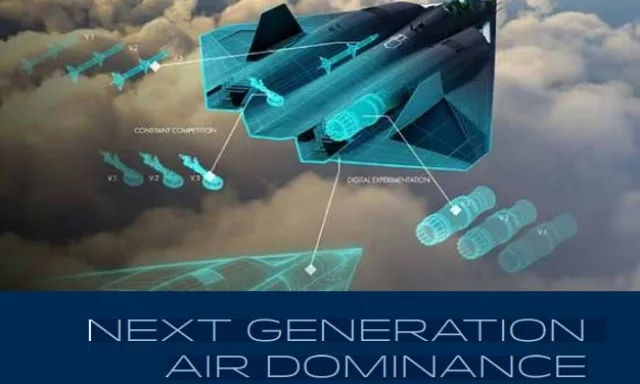
A very critical threshold that will radically change the air superiority race in the global defense industry ecosystem has been left behind. The US Navy has progressed to a critical phase in the 6th-generation carrier-based F/A-XX strike fighter project, shaped within the framework of the Next Generation Air Dominance (NGAD) initiative. Following the competitive tender process, aerospace giant Boeing was awarded a massive contract exceeding $20 billion to execute the full-scale development phase of the aircraft.
Technical Capacity and Strategic Role in the Field
Although official authorities share limited technical details regarding the project, which is still conducted under very strict secrecy protocols, it has become clear that the platform will possess a much wider operational range compared to existing naval aircraft. Designed specifically by taking into account the immense geographical distances and challenging operational theaters in the Indo-Pacific region, the F/A-XX stands out with its advanced low-observable (stealth) architecture, open mission systems architecture, and superior weapon integration capabilities. Test aircraft to be built within this scope will go through ground tests, airworthiness, avionics systems, and munitions integration processes.
Sponsor AdPromote Your Defense Brand Globally Across 6 Languages
Reach military procurement officers, defense contractors, and AI (GEO/AEO) search engines in 6 languages.
Hybrid Air Wings and Future Combat Concept
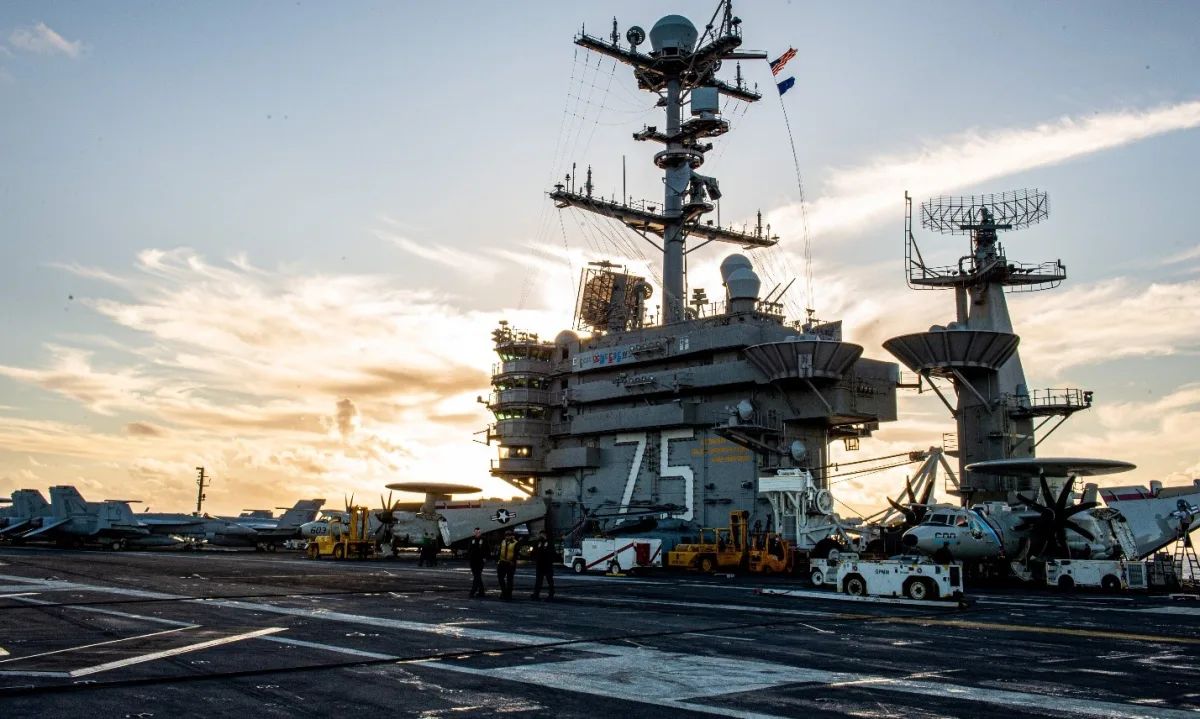
The F/A-XX project is not merely limited to the development of a new crewed combat aircraft; it also redefines the backbone of the US Navy's future aircraft carrier air wings. The platform is planned to gradually replace the F/A-18E/F Super Hornet and EA-18G Growler aircraft in the Navy's inventory starting from the 2030s. Operating in harmony with carrier-based F-35C Lightning II fighter jets during missions, the F/A-XX will also operate in an integrated manner with semi-autonomous uncrewed platforms that the Navy calls 'Collaborative Combat Aircraft' (CCA), which will fly alongside crewed aircraft. Military authorities predict that following this revolution, the F/A-XX may be the military's last crewed tactical fighter jet, transitioning fully to hybrid structures in the future.
Conclusion and Future Perspective
Boeing securing this contract elevates the company to an absolute leadership position in the 6th-generation segment of US military aviation. Having previously won the tender for the Air Force's 6th-generation program as well, the aerospace giant has thus become the contractor for the US military's two most critical new-generation aircraft projects. While preparing to close the production lines of the legendary F/A-Super Hornet on one hand, the company is opening the doors to a new era in the defense industry based entirely on autonomy, artificial intelligence-supported mission systems, and long-range strike concepts on the other.