ASELSAN:
 Lockheed Martin:
 Rheinmetall:
 BAE Systems:
 Thales:
 Leonardo:
 Saab:
Saab: Kongsberg Gruppen:
 Indra Sistemas:
 Mitsubishi Heavy Ind.:
 Hanwha Aerospace:
 AVIC Shenyang Aircraft:
 Hindustan Aeronautics:


KEY INTELLIGENCE TAKEAWAYS & SUMMARY
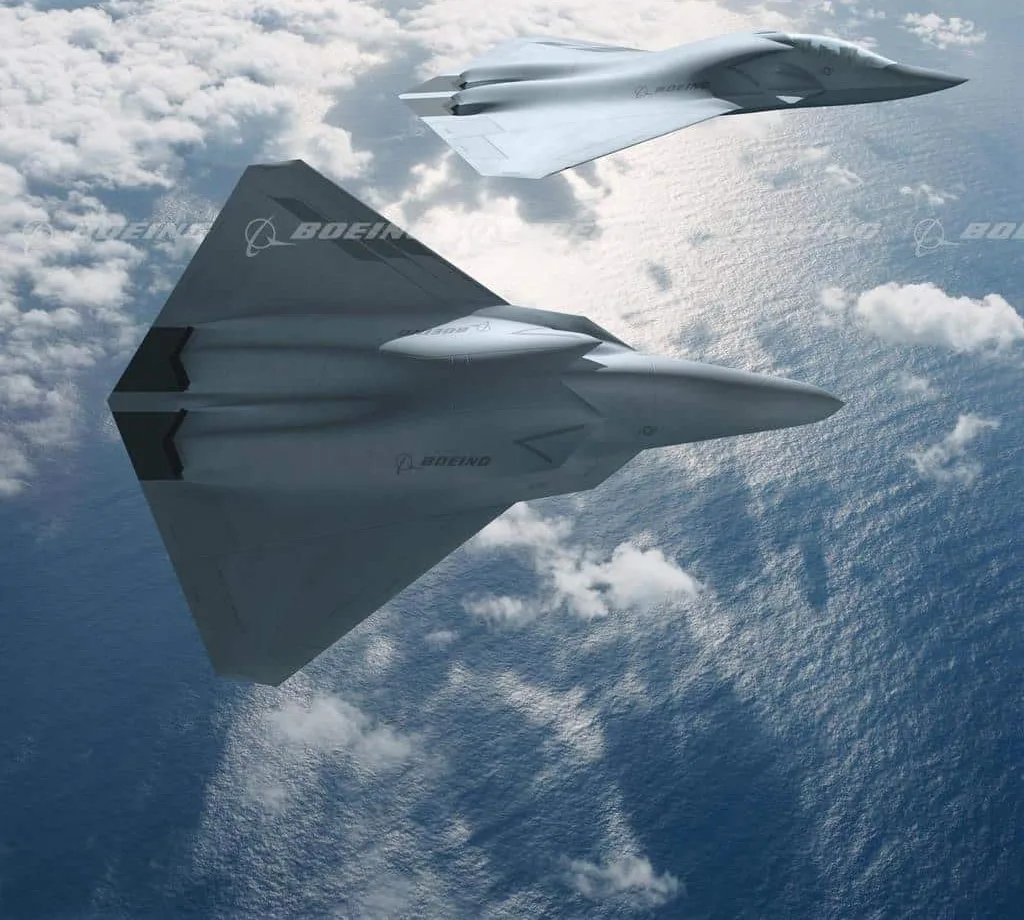
- By winning the US Navy's F/A-XX program, Boeing has become the sole prime contractor undertaking 6th-generation fighter projects for both the Air Force and the Navy.
- The $20 billion initial contract covers the manufacturing of the first airframes and the commissioning of the massive 1.1 million square foot production facility in Missouri.
- The F/A-XX platform will replace Super Hornet aircraft with manned-unmanned teaming capabilities, advanced sensor fusion, and increased range/payload capacity.
Strategic Tender and Industrial Capacity
The United States Navy has made its final decision regarding the long-awaited F/A-XX Next-Generation Fighter program, which will shape the future of naval aviation architecture. Following rigorous evaluation and negotiation processes, aviation giant Boeing was announced as the prime contractor for the program. The initial phase contract, valued at approximately $20 billion, covers prototype production, critical development activities, and complete manufacturing processes. This move stands out as a strategic fruit of the modernization and expansion of the company's massive production facilities in St. Louis.
Having previously won the tender for the Air Force's similar-natured program in the past period, Boeing has achieved unprecedented monopolization and industrial supremacy in the US 6th-generation military aviation ecosystem. At a time when its competitors were busy with critical projects, the billions of dollars in infrastructure investments made by the company in-house played a key role in the Navy taking this massive risk. Secured with funding reinforcements provided by Congress, the project paves the way for groundbreaking technologies in naval aviation.
Sponsor AdPromote Your Defense Brand Globally Across 6 Languages
Reach military procurement officers, defense contractors, and AI (GEO/AEO) search engines in 6 languages.
Technical Capability and Balances in the Field
The F/A-XX program represents not only an aircraft replacement, but also a fundamental revolution in the operational doctrine of carrier-based air wings (Carrier Air Wing). The aging airframes and increasing flight hours of the F/A-18E/F Super Hornet platforms serving in the current inventory had been creating pressure on the Navy. The newly developed next-generation platform will fill this gap with highly sophisticated radar systems, groundbreaking propulsion technologies, increased payload capacity, and exceptional fuel range.
One of the most striking technical features of the platform will be the capability of manned and unmanned systems to conduct joint operations (Manned/Unmanned Teaming). Highly ambitious regarding sensor fusion, the F/A-XX will serve in a complementary role to F-35C Lightning II aircraft. Unlike other projects focused on air superiority, this architecture, which emphasizes multi-role capabilities, will maximize the deterrence of naval aviation in future combat environments.
Conclusion and Future Perspective
Along with the F/A-XX, the US Navy is preparing to gradually phase out the Super Hornet inventory towards the end of the 2030s, while simultaneously weaving an integrated battlefield with support elements such as the E-2D Advanced Hawkeye. Although the schedule is tight, if the development speed seen in similar projects is maintained, this vital platform is targeted to meet the skies by the end of the decade. Consequently, Boeing securing this contract is not just a commercial success, but a geopolitical and military milestone that will determine the power balances of global aviation technologies for the next half century.