ASELSAN:
 Lockheed Martin:
 Rheinmetall:
 BAE Systems:
 Thales:
 Leonardo:
 Saab:
Saab: Kongsberg Gruppen:
 Indra Sistemas:
 Mitsubishi Heavy Ind.:
 Hanwha Aerospace:
 AVIC Shenyang Aircraft:
 Hindustan Aeronautics:


KEY INTELLIGENCE TAKEAWAYS & SUMMARY
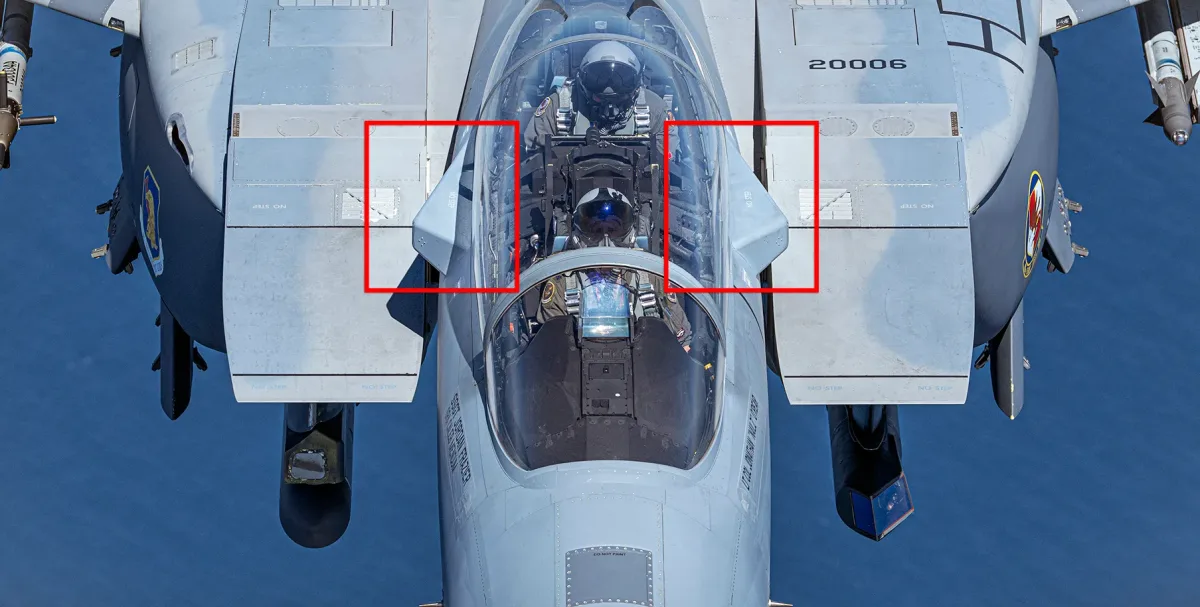
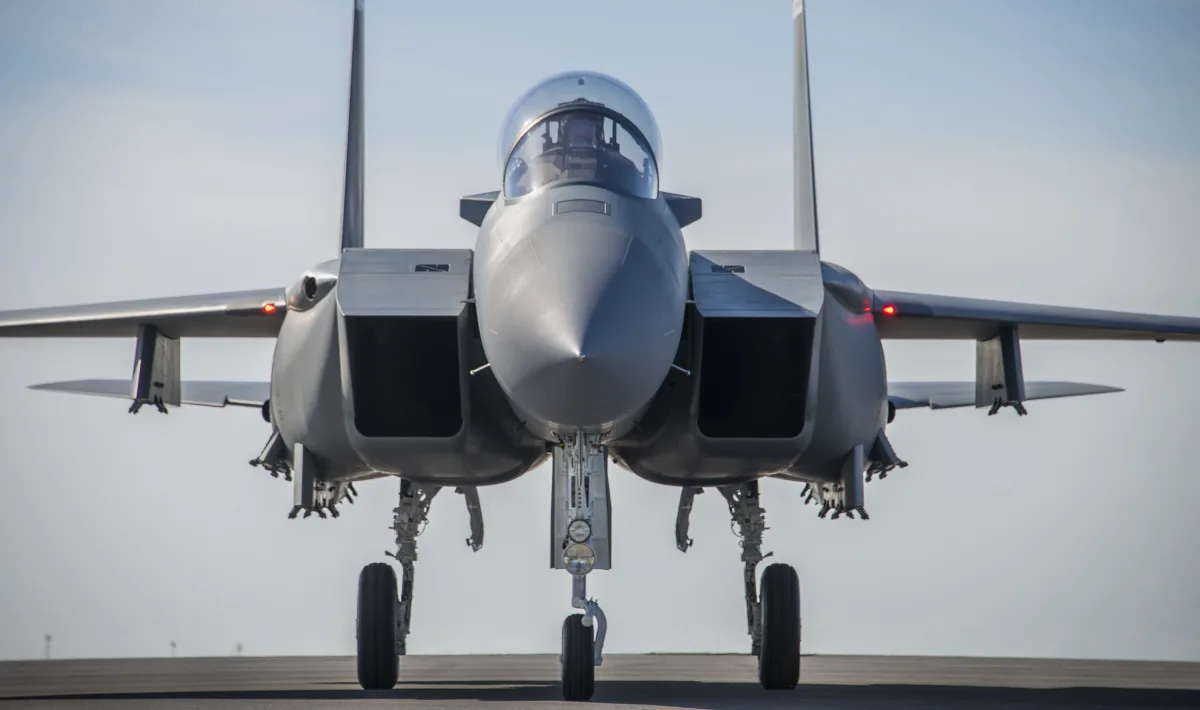
- The US Air Force signed a $2.38 billion Lot 7 contract with Boeing for 22 F-15EX Eagle II fighter aircraft.
- With this new agreement, Boeing's total F-15EX production commitment has reached 120 aircraft.
- The project aims to enhance the US's strategic deterrence by modernizing aging F-15C and F-15D fleets.
- Despite inflationary pressures and production cuts in the defense industry, supply continuity has been prioritized.
As a critical procurement move shifting the balance in the global military aviation market, the US Air Force has accelerated its inventory reinforcement efforts. The Washington administration signed a massive $2.38 billion contract with defense giant Boeing for the production of 22 F-15EX Eagle II fighter jets. Implemented with the timely accreditation of funds and budget bills provided by Congress, this agreement represents a new threshold in strategic combat fleet transformation.
Technical Capability and Balances in the Field
The aircraft provides strategic depth, particularly in air-to-ground and air-to-air strikes, while reinforcing power by replacing the aging F-15C and F-15D models that are in the process of retiring. With the latest delivery agreements, the total number of F-15EX aircraft that Boeing will produce for the US Air Force has reached 120 units. This momentum in the procurement process directly reflects the military's imperative to be prepared against potential symmetric and asymmetric threats in modern operational environments.
Sponsor AdPromote Your Defense Brand Globally Across 6 Languages
Reach military procurement officers, defense contractors, and AI (GEO/AEO) search engines in 6 languages.
Conclusion and Future Perspective
This massive investment by the US Air Force in the F-15EX program proves that flexibility and firepower will still be of vital importance in future battlefields. This process, where the transformation principles of defense procurement mechanisms are applied, demonstrates that cost-effective and high-performance alternatives complementing high-cost stealth platforms will continue to dominate the skies for many years to come. The next-generation Eagle II jets rolling out of Boeing facilities will continue to form the backbone of the US's global deterrence strategy in the coming years.