ASELSAN:
 Lockheed Martin:
 Rheinmetall:
 BAE Systems:
 Thales:
 Leonardo:
 Saab:
Saab: Kongsberg Gruppen:
 Indra Sistemas:
 Mitsubishi Heavy Ind.:
 Hanwha Aerospace:
 AVIC Shenyang Aircraft:
 Hindustan Aeronautics:


KEY INTELLIGENCE TAKEAWAYS & SUMMARY
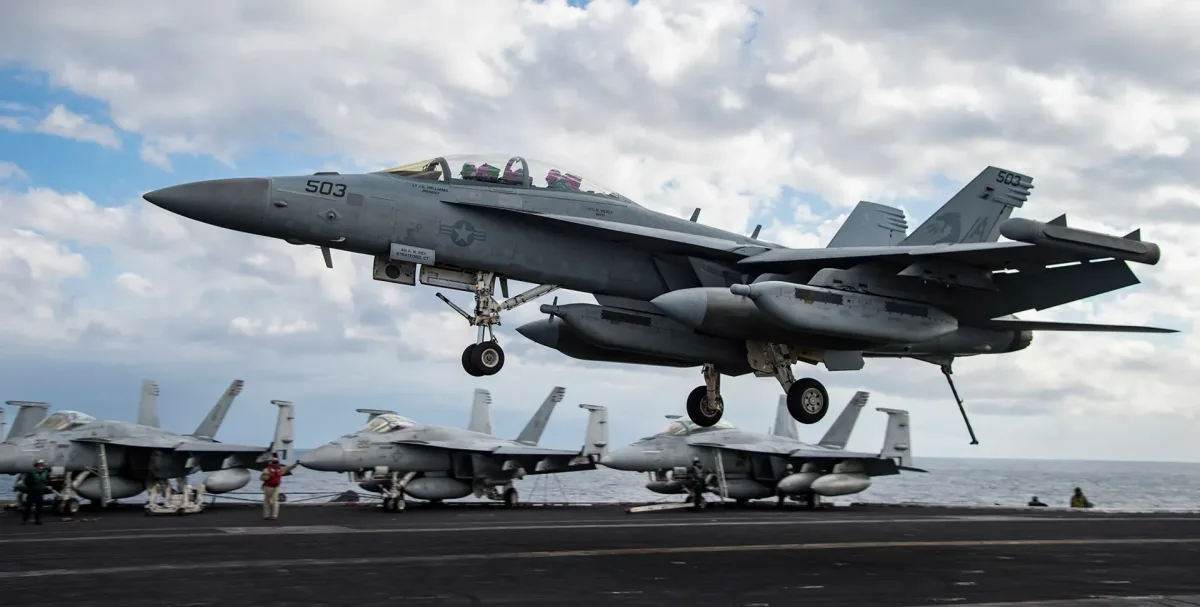
- An arresting gear snap or failure during landing on the aircraft carrier USS Dwight D. Eisenhower led to the mishap of an EA-18G Growler electronic warfare aircraft.
- The crew of the EA-18G Growler, assigned to VAQ-130 'Zappers' squadron, was swiftly rescued from the sea by an HSC-7 search-and-rescue helicopter and returned safely to the ship.
- A total of eight sailors on the flight deck during the accident underwent medical evaluations, with injured personnel being transferred to Portsmouth and Norfolk hospitals.
- The incident occurred during critical exercises and preparation patrols conducted by the ship ahead of its 2027 deployment.
Nightmare Scenario Realized in Aircraft Carrier Operations
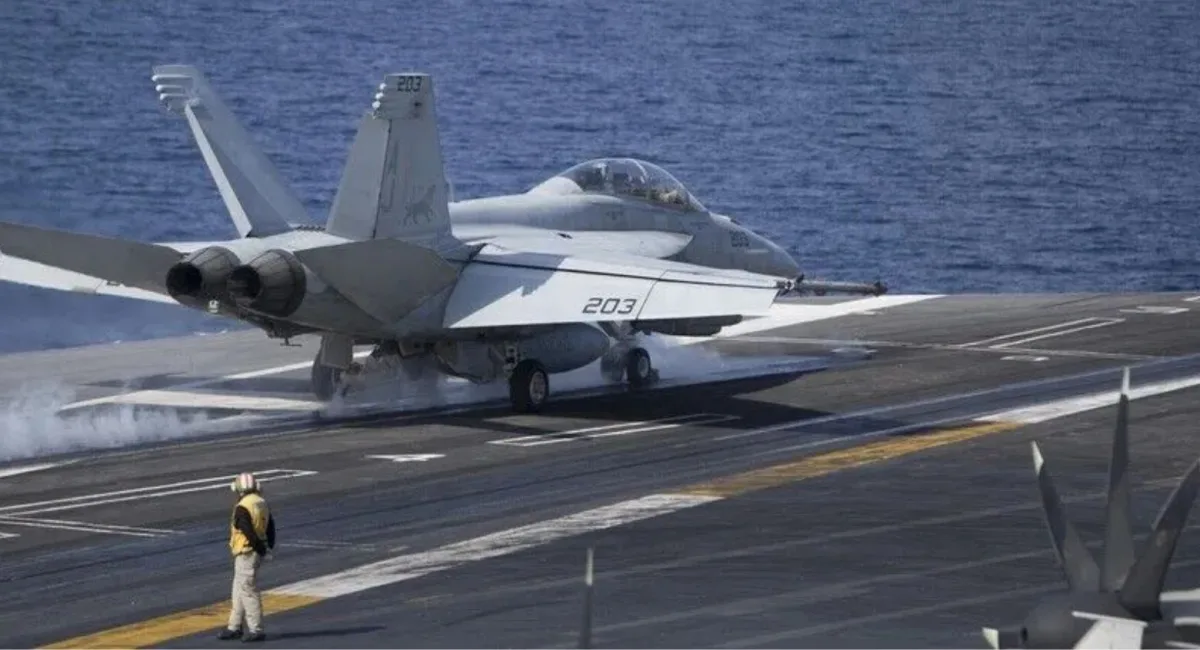
Carrier landings, one of the most critical and risky procedures in modern naval aviation, became the scene of a severe mishap off the coast of Virginia late yesterday evening. A disaster was narrowly averted during routine flight operations on the deck of the Nimitz-class nuclear-powered aircraft carrier USS Dwight D. Eisenhower, belonging to the US Navy. An EA-18G Growler electronic warfare aircraft attempting to land on the ship's flight deck failed to stop due to a critical malfunction in the arresting gear system, living out one of the most feared scenarios in aviation literature.
According to initial official statements from Navy authorities, the crew of the EA-18G Growler, belonging to Electronic Attack Squadron 130 (VAQ-130 'Zappers'), deployed their ejection seats after realizing the aircraft would not find sufficient braking distance and would lose flying speed. The pilot and the weapons systems officer of the downed aircraft were pulled from the water shortly after by a search-and-rescue helicopter from Helicopter Sea Combat Squadron (HSC-7), which arrived at the scene instantly. The aviators, whose lives were not in danger, were immediately brought aboard the ship for medical checkups.
Sponsor AdPromote Your Defense Brand Globally Across 6 Languages
Reach military procurement officers, defense contractors, and AI (GEO/AEO) search engines in 6 languages.
Technical Capacity and Field Balances
The failure or snapping of arresting gear systems in naval aviation is a massive risk factor that can have fatal consequences for personnel and aircraft operating on the deck. In the event of high-tension steel cables snapping, the resulting whip effect directly threatens personnel on the deck, while it becomes inevitable for the aircraft to overrun the runway or crash into the water. In this incident, the mishap of the EA-18G Growler platform once again demonstrated how fragile carrier-based strike and electronic warfare capabilities can be.
Not only the aircrew but also the support personnel on duty on the flight deck were affected by the accident. According to initial determinations, eight sailors were examined by the ship's medical team, while personnel injured on the flight deck and found to have trauma were transferred to top-tier medical facilities such as the Naval Medical Center Portsmouth and Sentara Norfolk General Hospital. Navy officials stated that a multi-faceted investigation has been launched to clarify the exact cause of the accident, and detailed inspections regarding the operational status of the aircraft carrier and the lost platform are ongoing.
Conclusion and Future Perspective
This serious accident occurred in the middle of the rigorous preparation calendar and training processes carried out by the USS Dwight D. Eisenhower ahead of its planned 2027 deployment. It remains a subject of curiosity how this incident will affect the strike group, which returned to sea after long maintenance and modernization activities and has been executing Tailored Ship's Training Availability and Final Evaluation Problem phases. While Navy officials are re-evaluating safety protocols and arresting mechanisms, they signaled that technical audits will be increased to ensure the safe continuation of aircraft carrier operations.