ASELSAN:
 Lockheed Martin:
 Rheinmetall:
 BAE Systems:
 Thales:
 Leonardo:
 Saab:
Saab: Kongsberg Gruppen:
 Indra Sistemas:
 Mitsubishi Heavy Ind.:
 Hanwha Aerospace:
 AVIC Shenyang Aircraft:
 Hindustan Aeronautics:


KEY INTELLIGENCE TAKEAWAYS & SUMMARY
- Two pilots successfully survived a landing accident on the aircraft carrier USS Dwight D. Eisenhower by utilizing the ejection seat system.
- Four ship personnel on the flight deck were injured during the incident, and one was transferred to a regional hospital for further examination.
- Navy officials have not yet shared official details regarding the type of aircraft involved in the accident and the exact mechanism of the event.
- The giant nuclear aircraft carrier had returned to the operational field following extensive 15-month modernization and maintenance activities in April 2026.
Unexpected Crisis in Naval Aviation
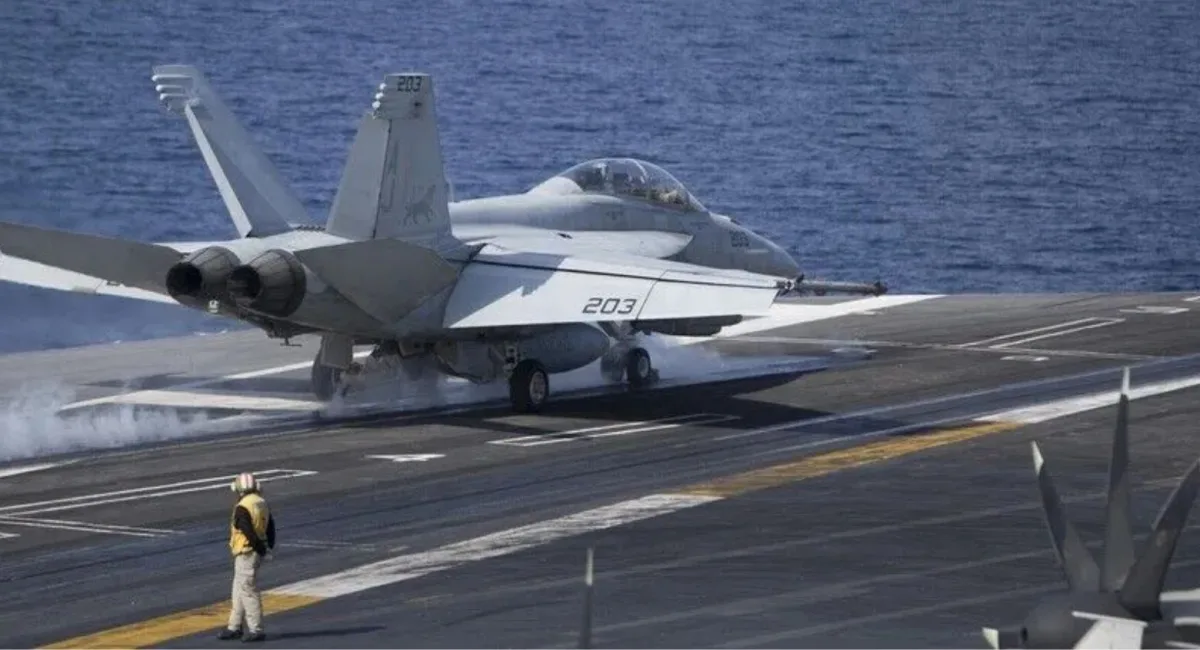
The United States Navy, which plays a critical role in the global balance of naval power, has been shaken by an unfortunate incident on one of the most challenging platforms in the operational field. During routine flight operations conducted off the coast of Virginia in the Atlantic Ocean, a critical incident approaching a hull-loss accident occurred on the USS Dwight D. Eisenhower aircraft carrier, one of the most prestigious nuclear-powered platforms in the Navy's inventory. Two military pilots serving within the 3rd Carrier Air Wing activated emergency protocols and used their ejection seats during a critical landing maneuver onto the flight deck. This critical move, described as a last resort in military aviation literature, saved the pilots' lives from an absolute disaster, while the incident was brought under control through the rapid reaction of search and rescue teams at sea.
Technical Capacity and Uncertainties in the Field
Defense analysts and aviation experts point out that the absence of a clear statement from Navy authorities regarding the identity of the aircraft involved in the accident is noteworthy. Among the tandem-seat platforms actively serving in the U.S. Navy's carrier air wings, F/A-18F Super Hornet strike fighters and EA-18G Growler electronic warfare aircraft stand out. However, two-seat T-45 Goshawk training platforms in the naval inventory are also kept among the possibilities. While the exact nature of the technical malfunction or aerodynamic factors experienced during landing remains confidential, the incident affected not only the flight crew but also the support personnel on the flight deck. Due to the turbulence and deck dynamics created by the ejection moment, four ship personnel were injured and subjected to medical treatment. One of the personnel, whose life is not in danger, was transferred to a naval hospital in the Norfolk area as a precaution.
Sponsor AdPromote Your Defense Brand Globally Across 6 Languages
Reach military procurement officers, defense contractors, and AI (GEO/AEO) search engines in 6 languages.
Conclusion and Future Perspective
This accident once again highlights the operational tempo pressure on massive nuclear aircraft carriers and their integrated air wings. The USS Dwight D. Eisenhower had returned to active duty following the completion of sea trials in April 2026, after undergoing a massive modernization process lasting approximately 15 months at the Norfolk Naval Shipyard. The platform, which carried out long-term combat missions in the dangerous waters of the Red Sea between 2023 and 2024 and combated asymmetric threats, had regained combat effectiveness following repairs and propulsion system overhauls. This accident has once again proven the inherent risks of naval aviation, no matter how advanced, and the vital importance of the flawless functioning of flight safety protocols. The findings of the Navy investigation board regarding the root cause of the accident will provide critical data for the safety of future deck operations.