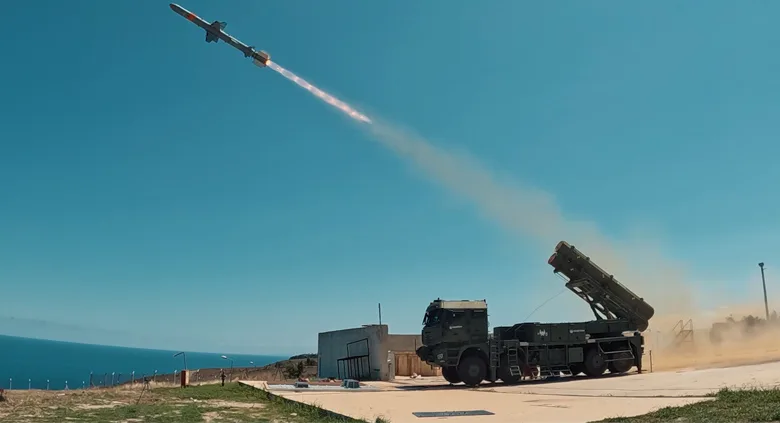
ASELSAN:
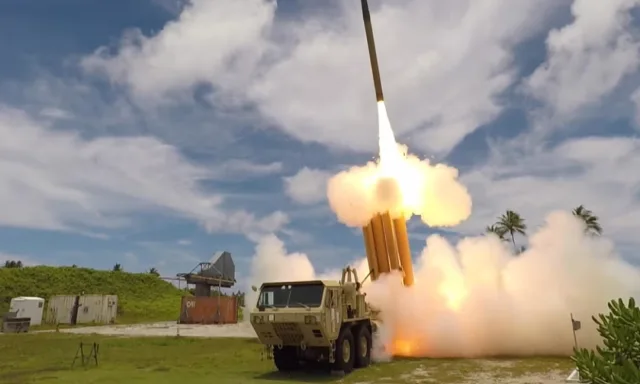
 Lockheed Martin:
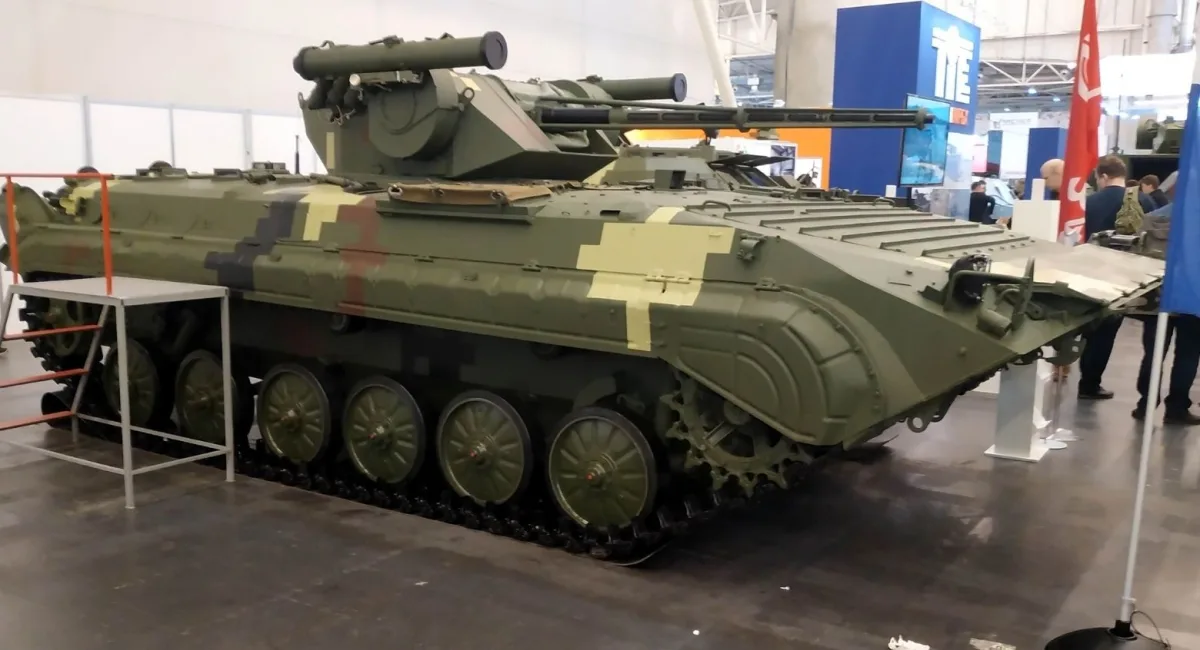
 Rheinmetall:
 BAE Systems:
 Thales:
 Leonardo:
 Saab:
Saab: Kongsberg Gruppen:
 Indra Sistemas:
 Mitsubishi Heavy Ind.:
 Hanwha Aerospace:
 AVIC Shenyang Aircraft:
 Hindustan Aeronautics:


KEY INTELLIGENCE TAKEAWAYS & SUMMARY
- The concept of 'owning the night' in the past has evolved into electromagnetic spectrum superiority in today's modern warfare environment.
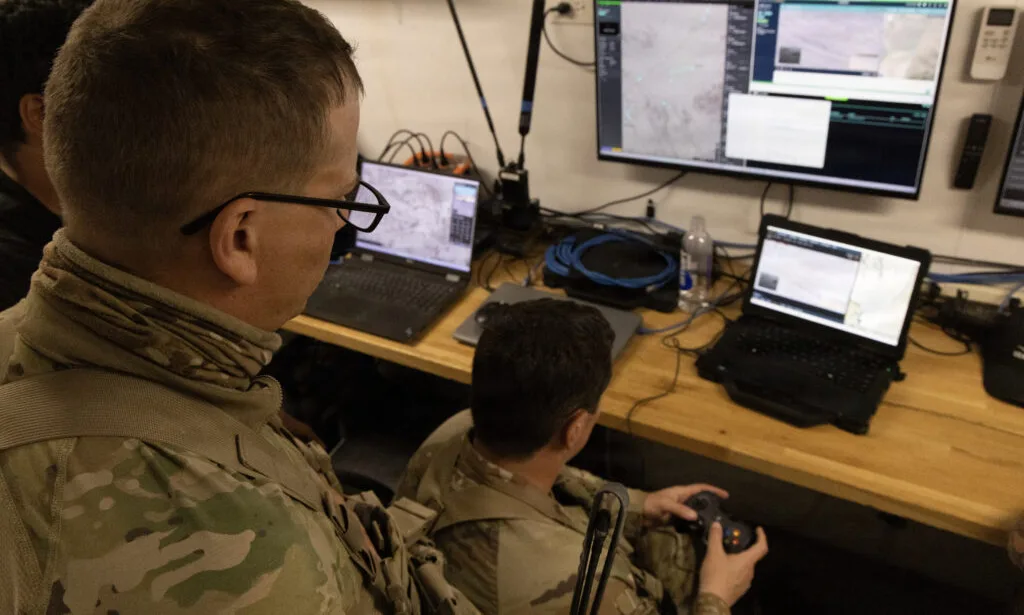
- The increase in tactical network-connected sensors and unmanned systems provides armies with immense situational awareness while simultaneously creating a critical electronic signature and vulnerability area.
- For modern commanders to dominate the spectrum, it is essential that they simultaneously possess spectral awareness, multi-layered flexible communication, and operational adaptation capabilities.
From Traditional Warfare Concepts to Network-Centric Combat
Throughout the wars in Iraq and Afghanistan, one of the greatest operational multipliers for global superpowers was the absolute superiority provided by night vision and thermal imaging systems. Summarized in military literature as 'owning the night,' this capability granted allied forces freedom of maneuver and attack during hours when the adversary was blind. However, today's high-intensity conflict environment clearly demonstrates that this paradigm is no longer sufficient and that the rules of the battlefield have changed radically. The real challenge for modern commanders is not seeing in the dark, but surviving and establishing superiority in the electromagnetic spectrum (EMS).
Tactical communication architectures used in past operations were limited to VHF/UHF radios and point-to-point links, conducted in relatively low-threat electromagnetic fields. In today's modern battlefield, the situation has shifted to a completely different dimension. Today, every frontline soldier, armored combat vehicle, unmanned aerial vehicle, sensor node, and command center is connected to each other via a seamless data network. While this provides commanders with extraordinary situational awareness and decision-making speed, it simultaneously creates a massive electromagnetic signature and attack surface. Opposing elements equipped with smart munitions, electronic intelligence (ELINT) systems, and advanced jamming platforms can instantly detect this signature and place it at the center of the targeting cycle.
Sponsor AdPromote Your Defense Brand Globally Across 6 Languages
Reach military procurement officers, defense contractors, and AI (GEO/AEO) search engines in 6 languages.
Technical Capacity and Balances in the Field
Establishing presence and seizing the initiative in the electromagnetic spectrum is built upon three critical pillars: spectrum awareness, a flexible and resilient connectivity architecture, and high adaptability capability. It is vital for commanders to read the topography of the electromagnetic environment flawlessly, just like traditional geographical maps. Where the spectrum is congested, which frequencies belong to friendly elements, where active jamming is taking place, and how this affects the operational plan must be analyzed instantaneously.
Furthermore, the bandwidth requirements of modern units are incomparably larger than in the past. Full-motion high-definition video streaming, instant position reporting, and artificial intelligence-supported command-and-control data require a continuous data flow. Ensuring this data flow continues uninterrupted necessitates the development of robust systems that do not rely on a single communication channel, providing frequency-hopping and multi-layered electronic warfare protection.
Conclusion and Future Perspective
In conclusion, victory on the future battlefield will belong to parties that not only use the electromagnetic spectrum, but also see it, protect it, maneuver within it, and exploit it faster than their adversaries. Just as 'owning the night' was the key to victory in a past era, 'owning the spectrum' is at the center of 21st-century defense doctrines. Armies that fail to invest in this capability and cannot maintain spectral superiority will not be able to preserve decision superiority and network resilience during a crisis, regardless of how advanced their platforms may be.