ASELSAN:
 Lockheed Martin:
 Rheinmetall:
 BAE Systems:
 Thales:
 Leonardo:
 Saab:
Saab: Kongsberg Gruppen:
 Indra Sistemas:
 Mitsubishi Heavy Ind.:
 Hanwha Aerospace:
 AVIC Shenyang Aircraft:
 Hindustan Aeronautics:


KEY INTELLIGENCE TAKEAWAYS & SUMMARY
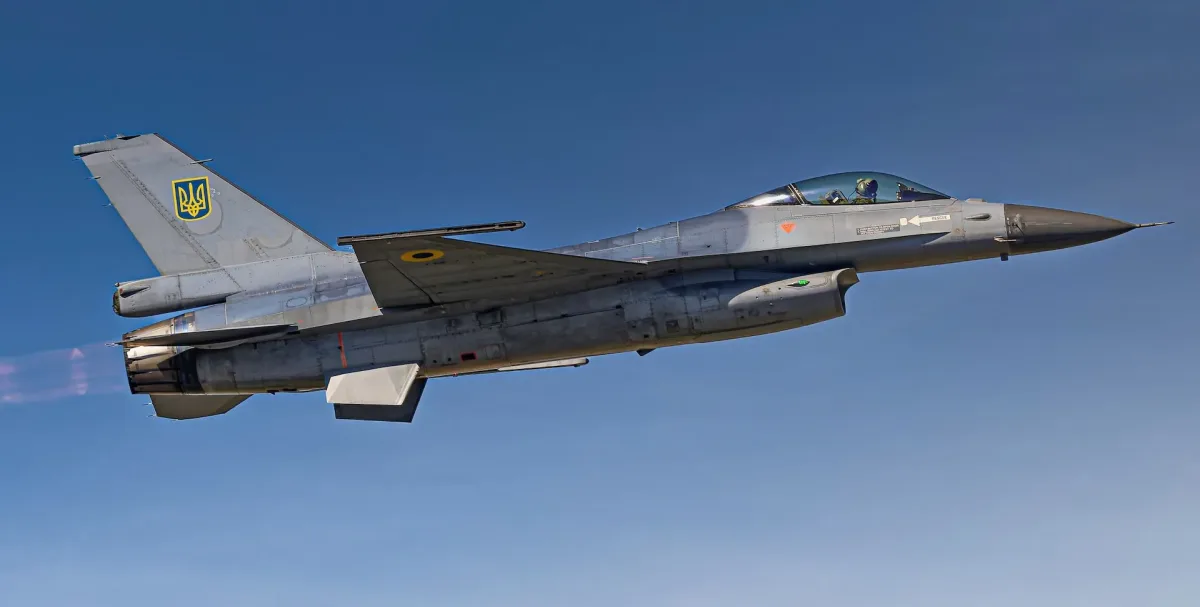
- According to Western sources, more than half of the F-16 fleet in Ukraine is trapped in a maintenance impasse.
- The depletion of AIM-9 and AIM-120 munitions forces pilots to resort to 20mm internal cannons.
- Russia's increased use of jet-powered kamikaze drone attacks escalates the operational burden on the F-16s.
- If the current maintenance and operational tempo continues, there is a risk that no operational aircraft will remain by the end of the year.
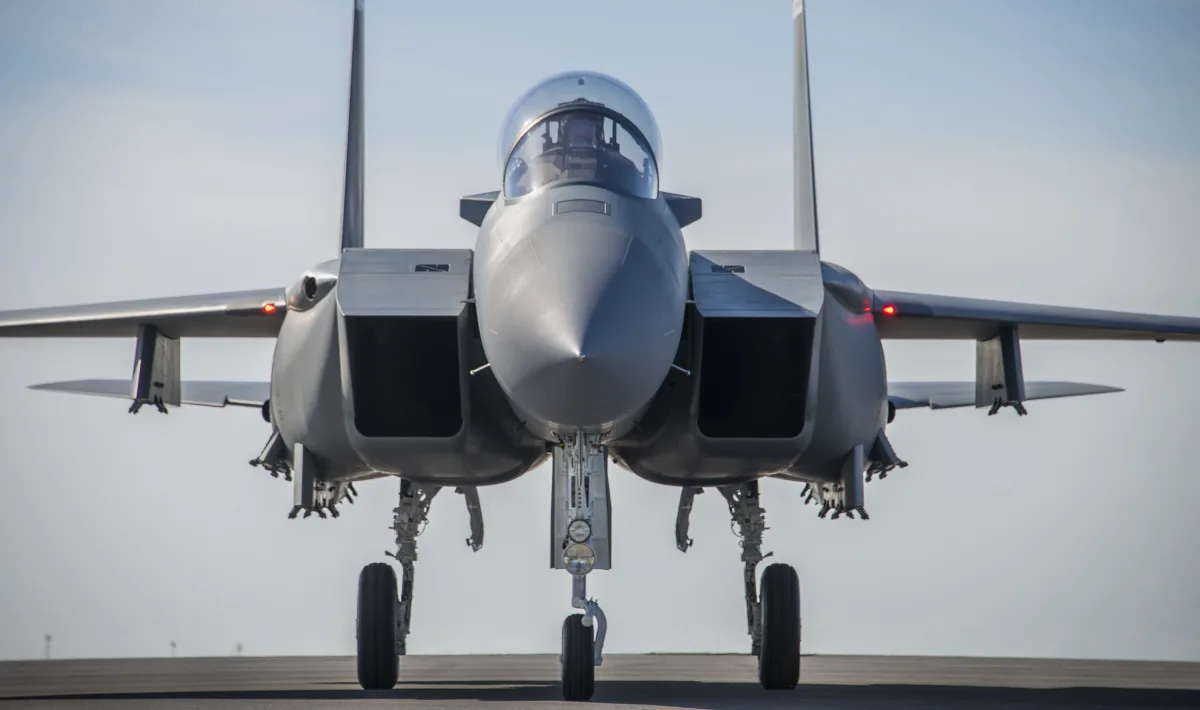
Provided by allied nations and planned to increase in number in the future, F-16s have become one of the most important elements of Ukraine's integrated air defense architecture. However, while some of the aircraft pledged by the coalition led by countries such as Belgium, Denmark, the Netherlands, and Norway are still kept at training bases in Europe, losses on the frontline directly affect the fleet's strength. The uninterrupted use of the aircraft in air defense missions rapidly consumes their airframe lifespans while putting unprecedented pressure on the maintenance infrastructure.
Operational Load and Ammunition Supply Troubles
The only problem facing the F-16 fleet is not limited to maintenance processes; there is also a serious depletion in air-to-air ammunition stocks. Tasked with intercepting cruise missiles and one-way attack drones heavily utilized by the Russian military, F-16 pilots are forced to use critical guided munitions such as the AIM-9 Sidewinder and AIM-120 AMRAAM sparingly. It is reported that in scenarios where sufficient missiles cannot be procured, pilots attempt to hunt targets using the 20mm internal cannons in the nose section of the aircraft, and the Kyiv administration is even conducting additional negotiations for thousands of rounds of ammunition.
Sponsor AdPromote Your Defense Brand Globally Across 6 Languages
Reach military procurement officers, defense contractors, and AI (GEO/AEO) search engines in 6 languages.
Another element complicating the situation further is the shift in Russia's strategy. Moscow's deployment of next-generation jet-powered kamikaze drones capable of reaching speeds of hundreds of kilometers per hour increases the pressure on traditional air defense systems while making F-16s the primary interception means against these threats. Although the F-16 platform offers high maneuverability against such targets, spending high-cost modern missiles on relatively cheap targets deepens the sustainability crisis.
Conclusion and Future Perspective
This multi-layered crisis experienced by Ukraine's F-16 fleet once again reveals the high attrition rate of modern combat aircraft on the battlefield, the wartime fragility of complex maintenance networks, and the strategic importance of ammunition supply chains. Although the maintenance and sustainment support networks that Western allies are trying to establish in the field aim to increase the loiter time of the aircraft, if a balance cannot be established between the operational tempo and logistic capacity, Ukraine's strategic air power will face major difficulties in sustaining its presence.