ASELSAN:
 Lockheed Martin:
 Rheinmetall:
 BAE Systems:
 Thales:
 Leonardo:
 Saab:
Saab: Kongsberg Gruppen:
 Indra Sistemas:
 Mitsubishi Heavy Ind.:
 Hanwha Aerospace:
 AVIC Shenyang Aircraft:
 Hindustan Aeronautics:


KEY INTELLIGENCE TAKEAWAYS & SUMMARY
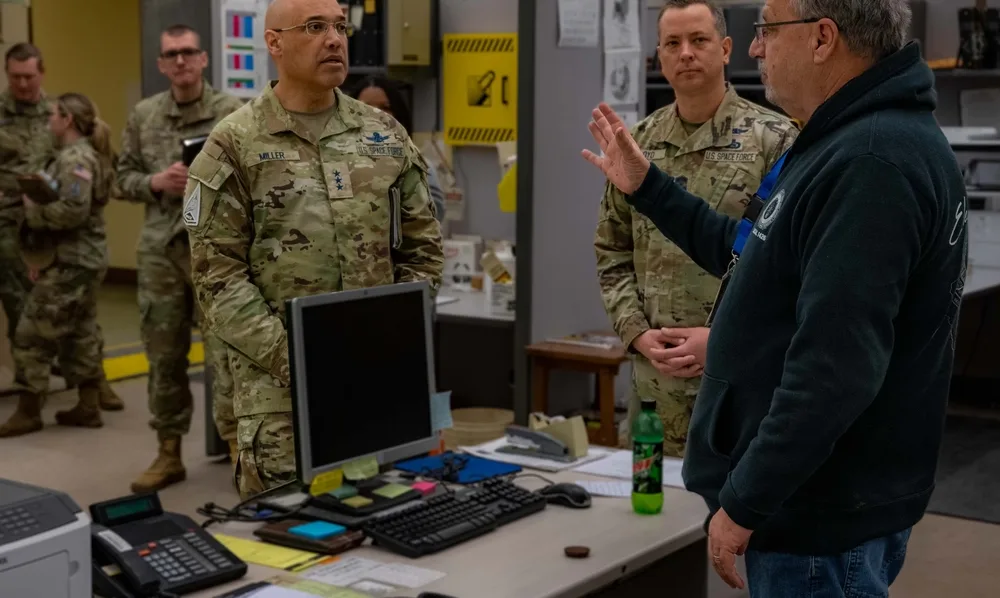
- Lieutenant General David N. Miller Jr. will become the fourth commander of the US Space Command (SPACECOM) upon completion of the Senate confirmation process.
- The appointment comes at a sensitive time when the Pentagon is focusing heavily on in-orbit active space control weapons and deterrence projects.
- In today's modern battlefield, SPACECOM has shifted from being a supporting element to providing operational force in a directly 'need-to-have' status.
Strategic Leadership and Operational Background
Having served in critical command positions throughout his military career, Lieutenant General Miller is considered among the most experienced figures in the space warfare domain. Previously serving as the Commander of Space Operations Command at Peterson Space Force Base in Colorado, Miller led airmen and guardians at the squadron, group, and wing levels. While Space Force leadership emphasized that Miller is an ideal candidate for this critical joint command role, the nomination underscores once again the strategic priority Washington places on space operations. Expected to become the fourth commander of SPACECOM, which was reestablished in 2019, Miller will hold the authority to generate space-based combat effects worldwide if confirmed.
In-Orbit Weapon Systems and Next-Generation Deterrence
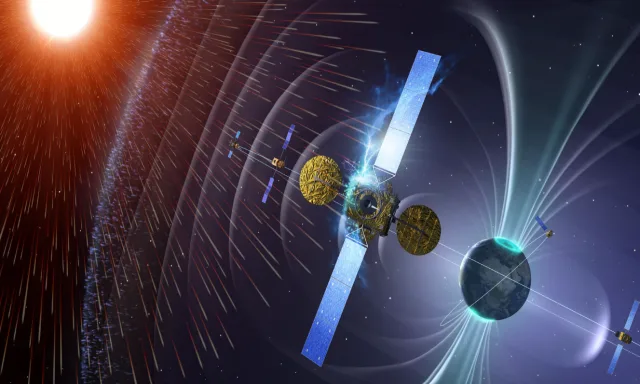
This critical nomination coincides with a period when senior officials revealed that the US Air Force possesses active space control weapons operating in orbit that are capable of protecting allied joint forces against adversary threats. These systems, whose details remain classified, are emphasized as being one of the key elements of deterrence in today's modern conflict environments. Recent operational exercises and operations have proven that space power is no longer merely a 'supporting element in the field' in the traditional sense, but has become a 'need-to-have capability' that directly determines the course of combat. The new commander will continue the mission of establishing superiority against geopolitical rivals by managing the integration of global terrestrial and space-based systems.
Sponsor AdPromote Your Defense Brand Globally Across 6 Languages
Reach military procurement officers, defense contractors, and AI (GEO/AEO) search engines in 6 languages.
Conclusion and Future Perspective
Lieutenant General David N. Miller Jr. taking charge of the US Space Command is the clearest indication that Washington views the space domain not merely as a flow of information or an intelligence realm, but directly as a warfighting domain. The development of in-orbit control systems, enhancing deterrence against asymmetric threats, and joint force integration will form the main pillars of the new era. Following the Senate confirmation process, Miller will make highly critical decisions to both counter aggressive moves by geopolitical rivals in space and establish American military superiority in orbit.