ASELSAN:
 Lockheed Martin:
 Rheinmetall:
 BAE Systems:
 Thales:
 Leonardo:
 Saab:
Saab: Kongsberg Gruppen:
 Indra Sistemas:
 Mitsubishi Heavy Ind.:
 Hanwha Aerospace:
 AVIC Shenyang Aircraft:
 Hindustan Aeronautics:


KEY INTELLIGENCE TAKEAWAYS & SUMMARY
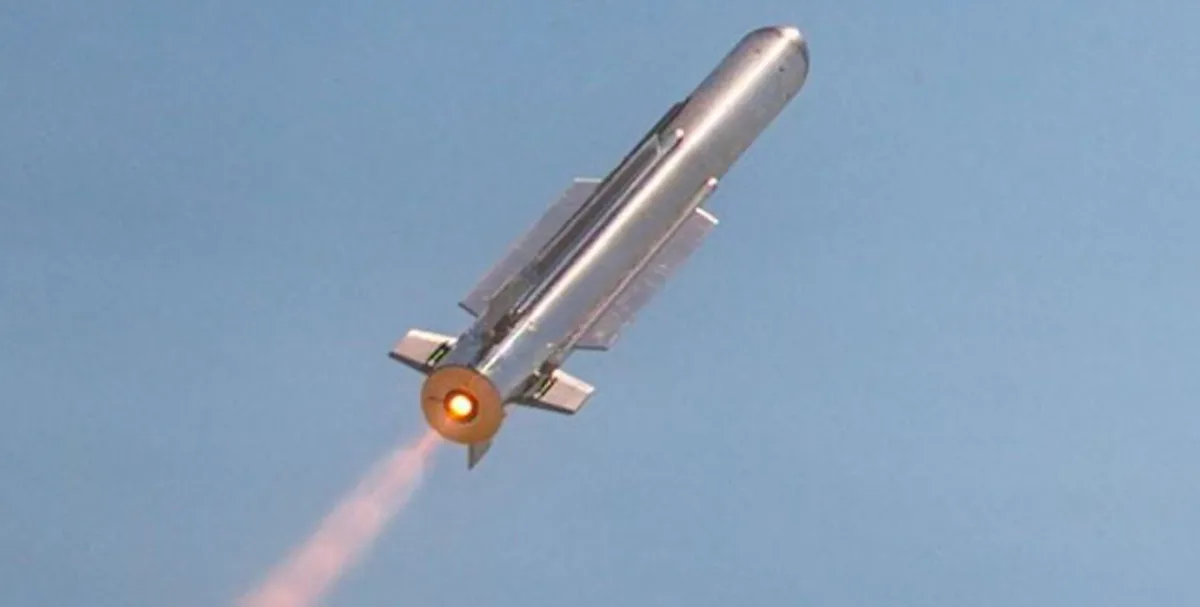
- The Coyote Block 2C+RM has evolved into a traditional surface-to-air missile form by being equipped with a solid-fuel rocket motor instead of a small jet engine.
- The new version stands out with its updated seeker head, advanced warhead, and increased terminal velocity capability.
- The system aims to maximize operational effectiveness against jet-powered kamikaze UAVs and class-3 drone threats that have recently gained momentum.
- While three successful live test firings have already been conducted within the scope of the project, it is stated that the system is built upon a combat-proven infrastructure.
Technical Capability and Balances in the Field
Conclusion and Future Perspective
The Coyote platform, closely monitored by the Pentagon and the US Army, has already proven itself with over a thousand operational successes. The rocket-motored Block 2C+RM version of this munition family, whose procurement volume is planned to reach thousands of units in the coming years, stands out as an armor-piercing element in low-altitude air defense. Offering a strategic advantage in combating class-3 category high-speed platforms and cruise missiles alongside classical drone threats, this technological evolution clearly demonstrates how dynamically modern militaries are focusing on solutions to protect their air defense layers.
Sponsor AdPromote Your Defense Brand Globally Across 6 Languages
Reach military procurement officers, defense contractors, and AI (GEO/AEO) search engines in 6 languages.