ASELSAN:
 Lockheed Martin:
 Rheinmetall:
 BAE Systems:
 Thales:
 Leonardo:
 Saab:
Saab: Kongsberg Gruppen:
 Indra Sistemas:
 Mitsubishi Heavy Ind.:
 Hanwha Aerospace:
 AVIC Shenyang Aircraft:
 Hindustan Aeronautics:


KEY INTELLIGENCE TAKEAWAYS & SUMMARY
- The US Army is moving away from complex bureaucratic jargon to focus on its core mission and operational effectiveness.
- Bureaucratic barriers in acquisition processes are being reduced and portfolio managements are being restructured.
- Vendor lock-in in the defense industry is being reduced through the open architecture mandate and the 'right to repair' policy.
- Low-cost air defense interceptors and integrated testing processes are gaining momentum.
The End of Corporate Jargon and Operational Reality
Digitalization and E-Commerce Models in Acquisition Processes
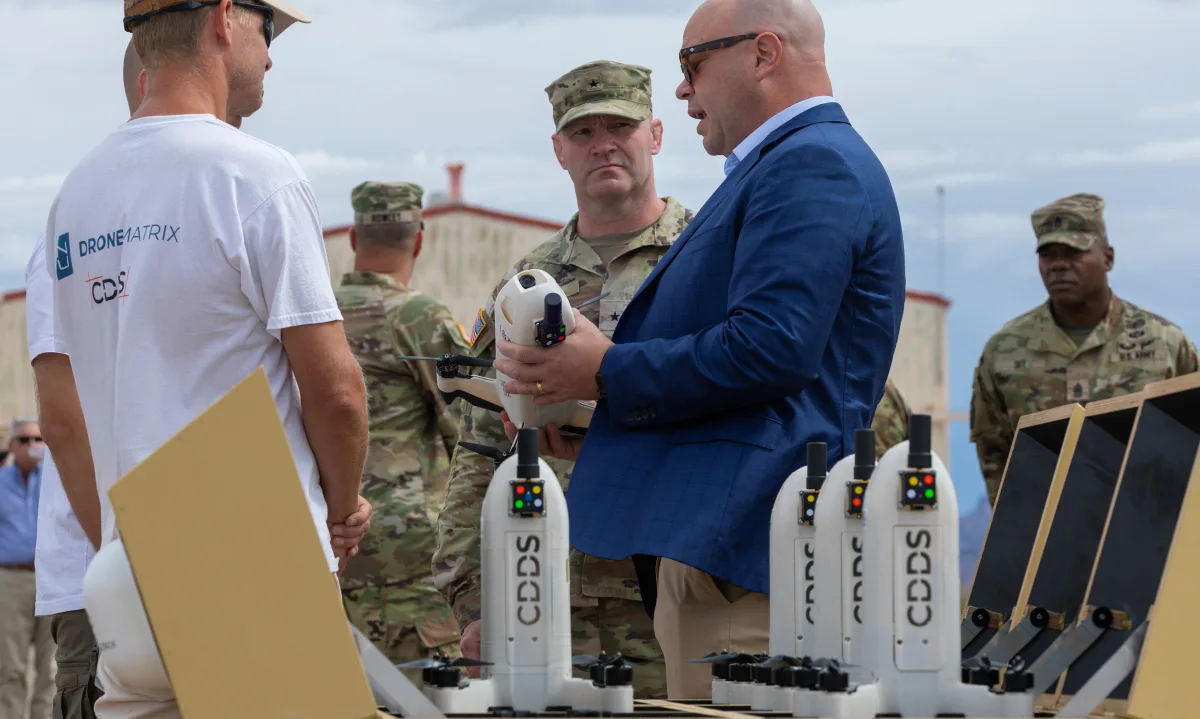
While these digital enablers accelerate the integration of innovative companies into the defense ecosystem, they also minimize the time it takes for technology to reach the frontline. This mechanism, which provides defense industry firms with access to test ranges with the comfort of a 'concierge service', plays a key role in maintaining technological superiority on the battlefield without interruption.
Open Architecture and Vendor Independence
Software compatibility and data integration are among the primary elements that will determine true superiority on the future battlefield. In the new era, the US Army demands open architecture systems from all suppliers and sets this rule as a non-negotiable red line. The 'right to repair' concept is being enforced most strictly against traditional business models that impose exorbitant maintenance and repair prices by hiding behind intellectual property rights.
Sponsor AdPromote Your Defense Brand Globally Across 6 Languages
Reach military procurement officers, defense contractors, and AI (GEO/AEO) search engines in 6 languages.