ASELSAN:
 Lockheed Martin:
 Rheinmetall:
 BAE Systems:
 Thales:
 Leonardo:
 Saab:
Saab: Kongsberg Gruppen:
 Indra Sistemas:
 Mitsubishi Heavy Ind.:
 Hanwha Aerospace:
 AVIC Shenyang Aircraft:
 Hindustan Aeronautics:


KEY INTELLIGENCE TAKEAWAYS & SUMMARY
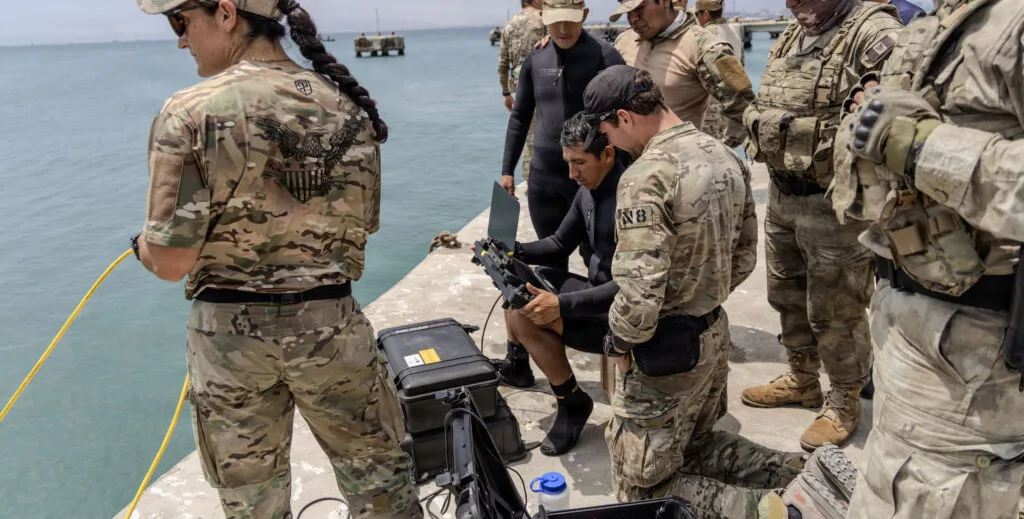
- Re-established at the Cristobal Colon Aeronaval Base in Panama, the course is conducted in partnership between US and Panamanian forces.
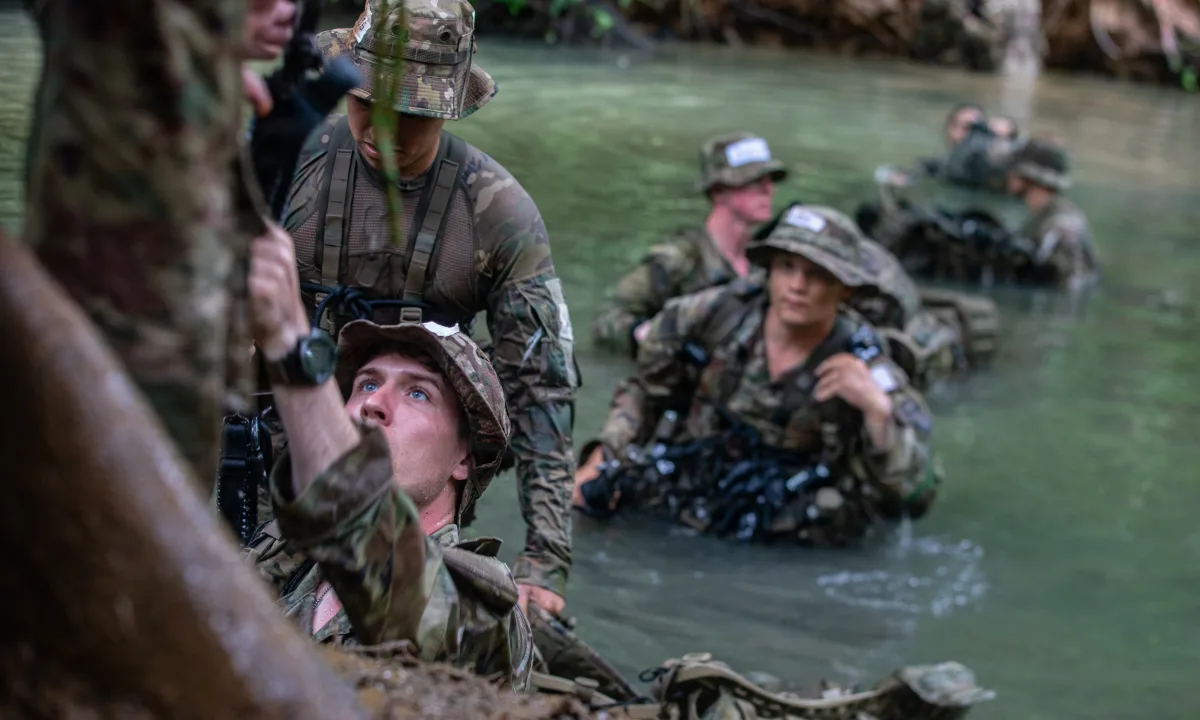
- The 'Green Mile' phase, which is the pinnacle of the training, covers backpack rucking, casualty evacuation, and grueling mangrove crossings.
- High humidity, temperature, and wildlife hazards (bee and scorpion stings) constitute the greatest physical obstacles during the training process.
- The invalidity of traditional military formations in a jungle environment directly tests the units' tactical adaptation capabilities.
Tactical Challenges in Panama's 'Green Hell'
Rugged Geography and Environmental Threats
For units struggling not only with enemy elements but also with nature itself, heat stroke ranks among the most common dangers. In addition to high humidity and stifling heat, aggressive wildlife in the region also increases operational risk. Native bee colonies extremely sensitive to sounds, scorpions, and various venomous insects remain a constant threat to camouflaged soldiers. In the final stage of the course, soldiers are met by the ferocious waves of the ocean, waist-deep slippery sands, and impassable mangrove swamps.
Conclusion and Future Perspective
Sponsor AdPromote Your Defense Brand Globally Across 6 Languages
Reach military procurement officers, defense contractors, and AI (GEO/AEO) search engines in 6 languages.
Advertising & Sponsorship