ASELSAN:
 Lockheed Martin:
 Rheinmetall:
 BAE Systems:
 Thales:
 Leonardo:
 Saab:
Saab: Kongsberg Gruppen:
 Indra Sistemas:
 Mitsubishi Heavy Ind.:
 Hanwha Aerospace:
 AVIC Shenyang Aircraft:
 Hindustan Aeronautics:


KEY INTELLIGENCE TAKEAWAYS & SUMMARY
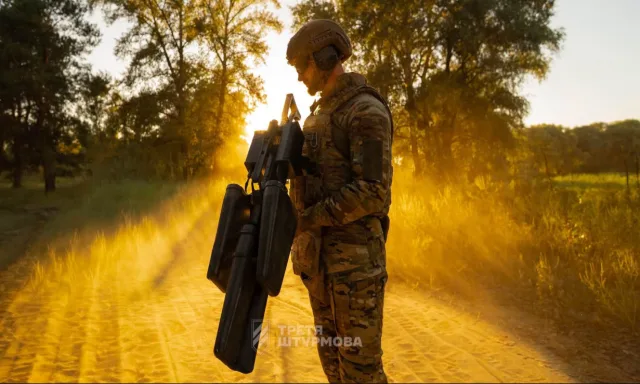
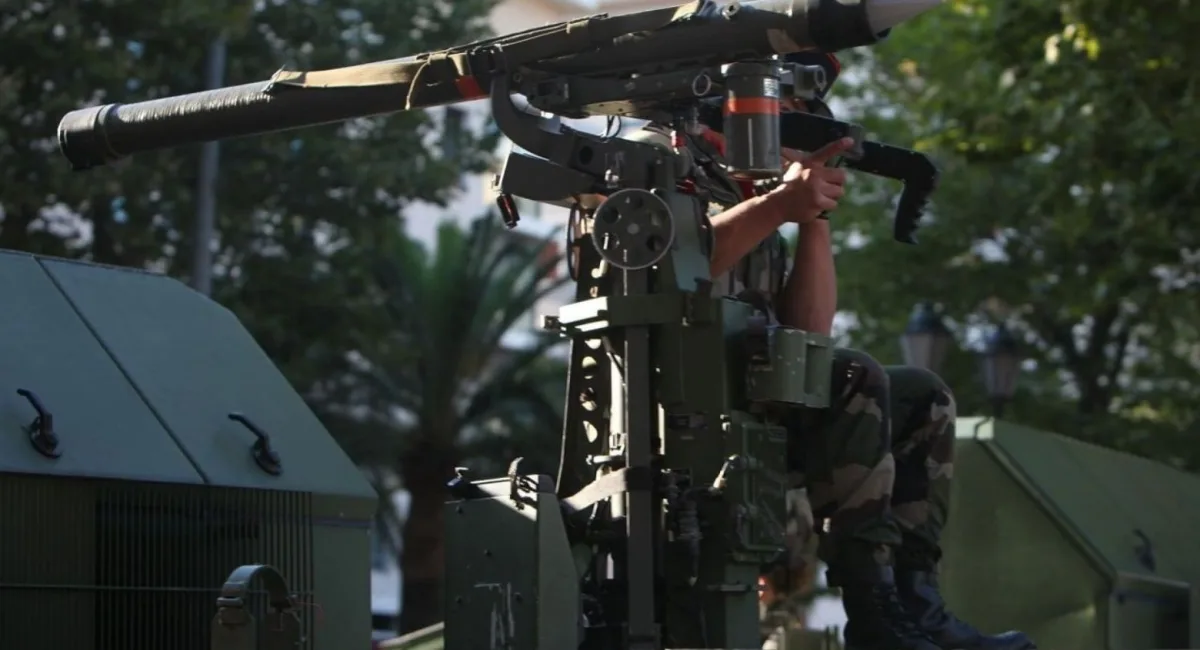
- During military exercises in Russia's Rostov region, shoulder-fired air defense missiles not registered in the inventory and resembling the Chinese-origin QW series were filmed.
- The systems, referred to as 'IVA' by soldiers, are assessed to be based on the Chinese-produced QW-18A/QW-19 or Iranian-made Misagh-3 platforms.
- Experts state that due to the high consumption caused by the war in Ukraine, the Russian army's domestic MANPADS production capacity is struggling to meet frontline and internal security needs.
- The issue of whether the systems were transferred to Russia directly from China or via Tehran has not yet been clarified in international defense backstage.
Unexpected Guest on the Frontline: Russia's New Inventory Secret
As the war in Ukraine—the most critical front of the global defense architecture—approaches its fourth year, strategic shifts in Moscow's military supply chain continue to be reflected on field cameras. Most recently, during a comprehensive military exercise conducted in Russia's Rostov region, shoulder-fired air defense systems (MANPADS) that are not officially in the country's military inventory and have sparked debate regarding their origin appeared before the public for the first time. Defense analysts state that these systems, used by mobile units attached to the 51st Air Defense Division, expose the deepening crises and new quests in Moscow's traditional military procurement and production capacity.
Technical Design and Asian-Origin DNA
Production Deficit and Critical Infrastructure Security
The primary driving force behind this mysterious procurement is assessed to be the inadequacy of the Russian defense industry's production in a high-intensity warfare environment. Long-range kamikaze unmanned aerial vehicle (UAV) attacks by the Ukrainian army, targeting strategic energy facilities, refineries, and military logistics hubs in particular, have forced the Moscow administration to establish a dense air defense umbrella around critical infrastructure. Mobile MANPADS teams deployed around many sensitive regions, especially the capital Moscow, have led to massive missile expenditures. The delay of domestic factory lines in meeting escalating frontline demands and attrition rates seems to have driven the Russian army to find alternative solutions from foreign markets.
Sponsor AdPromote Your Defense Brand Globally Across 6 Languages
Reach military procurement officers, defense contractors, and AI (GEO/AEO) search engines in 6 languages.
Conclusion and Future Perspective
The active appearance of externally procured Chinese- and Iranian-origin air defense systems in the Russian army's inventory clearly proves how flexible the equations in global arms trade have become. The fact that a superpower, traditionally an exporter of defense, has become dependent on external procurement even for basic shoulder-fired air defense missiles highlights the industrial reality of long-term attrition wars. In the upcoming period, these and similar foreign-origin systems are expected to be seen more frequently not only in rear-line regions like Rostov but also directly on active contact lines. This situation will pave the way for Western intelligence agencies to monitor weapon transfer lines along the Moscow-Beijing-Tehran axis much more closely and for new sanction mechanisms to be introduced.