ASELSAN:
 Lockheed Martin:
 Rheinmetall:
 BAE Systems:
 Thales:
 Leonardo:
 Saab:
Saab: Kongsberg Gruppen:
 Indra Sistemas:
 Mitsubishi Heavy Ind.:
 Hanwha Aerospace:
 AVIC Shenyang Aircraft:
 Hindustan Aeronautics:


KEY INTELLIGENCE TAKEAWAYS & SUMMARY
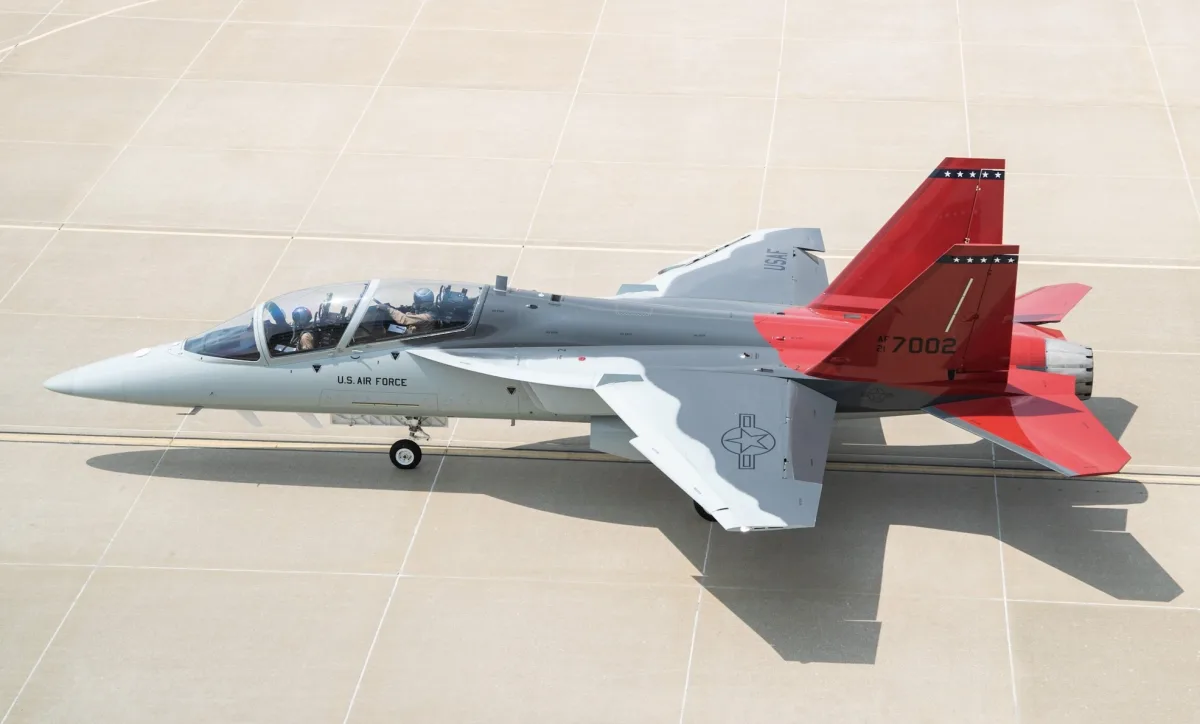
- Instructor pilots completed 31 days of simulator training in the Boeing-manufactured T-7A Red Hawk program.
- The new generation aircraft will transform the US Air Force's future fighter and bomber pilot training concept.
- The program is designed to adapt to the complex avionics and tactical environment of modern fighter jets.
Long-awaited generation change processes in the global military aviation industry are passing yet another critical threshold. The T-7A Red Hawk procurement and integration activities initiated by the US Air Force (USAF) to prepare the next generation of pilots who will sit in the cockpits of fighter jets and heavy bomber platforms in the coming decades have gained momentum. Within the scope of joint efforts carried out with aviation giant Boeing, concrete steps have begun to be taken in ground-based training processes, which constitute one of the most critical stages of the operational calendar.
Technical Infrastructure and Instructor Integration
In the current phase of the program, the T-7A ground operations unit, a specialized entity organized within the Air Education and Training Command, is being prepared for active duty. Within this scope, seven contract instructor pilots, who will undertake a critical mission, have left behind an intensive marathon designed to ensure full compliance with the platform's complex avionics architecture and flight dynamics. Comprehensive simulator training lasting exactly thirty-one days ensured that the pilots adapted flawlessly to the platform in a digital environment before the aircraft physically met the skies. These simulators are equipped with state-of-the-art software that accurately simulates the aircraft's advanced aerodynamic structure, high G-tolerance requirements, and the responses of digital fly-by-wire systems.
Sponsor AdPromote Your Defense Brand Globally Across 6 Languages
Reach military procurement officers, defense contractors, and AI (GEO/AEO) search engines in 6 languages.
Digital Transformation and Tactical Superiority in Aviation
The T-7A Red Hawk project stands out not only as a replacement project for the aging T-38 Talon aircraft, but also as a strategic move in which the military pilot training philosophy is radically modernized. The complex data processing, sensor fusion, and network-centric warfare capabilities of fifth-generation fighter jets such as the F-22 Raptor and F-35 Lightning II, as well as sixth-generation platforms that will serve in the future battlefield, are instilled into pilot candidates from an early stage via these simulators and aircraft. Designed using Boeing's digital engineering methodologies, the aircraft has shortened the time from design to test flights to a record level, offering the air force a unique cost-effectiveness advantage.
Conclusion and Future Perspective
The successful completion of the simulator phase by the instructor pilots shows that one of the most important mental and technical barriers prior to the field deployment of the T-7A Red Hawk fleet has been overcome. While real flight tests and the shipment of the fleet to operational bases are expected to accelerate in the upcoming period, it has become certain that this modern platform will exponentially increase the pilot training capacity of the US Air Force. Military aviation authorities foresee that the Red Hawk will not only be a training aircraft, but also a strategic force multiplier in the future struggle for air supremacy.