ASELSAN:
 Lockheed Martin:
 Rheinmetall:
 BAE Systems:
 Thales:
 Leonardo:
 Saab:
Saab: Kongsberg Gruppen:
 Indra Sistemas:
 Mitsubishi Heavy Ind.:
 Hanwha Aerospace:
 AVIC Shenyang Aircraft:
 Hindustan Aeronautics:


KEY INTELLIGENCE TAKEAWAYS & SUMMARY
- The US Air Force announced that a full-scale mass production line for the F-47 sixth-generation fighter jet project is not far off.
- Prime contractor Boeing is carrying out a massive infrastructure and factory expansion operation worth approximately $2 billion at its St. Louis facilities.
- According to the project schedule, the first flight is planned for 2028, and mass-produced jets are scheduled to enter the inventory in the early 2030s.
- The Air Force aims to increase its strategic production capacity by integrating the F-47 into the industrial base, alongside the F-35, F-15EX, and F-16 lines.
Critical Threshold in Sixth-Generation Air Dominance
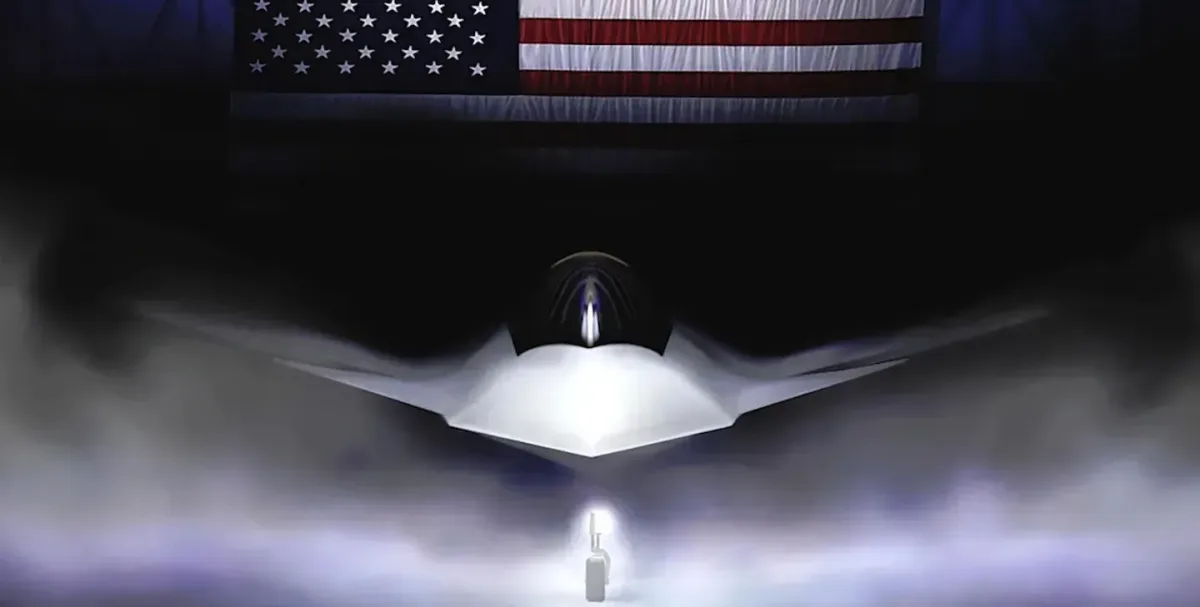
Concrete steps regarding procurement and production infrastructure have gained momentum in the F-47 program, a sixth-generation fighter jet that stands as one of the most secretive and strategic projects of the global defense industry. Recent statements by high-ranking procurement officials of the US Air Force clearly indicate that a full-scale mass production line for the next-generation air platform is no longer far away. In this massive project that will shape the future of the aviation and defense sector, the construction of the industrial ecosystem to meet the production capacity of the aircraft continues uninterrupted.
Aviation giant Boeing, the prime contractor of the project, is carrying out a massive investment drive of approximately $2 billion to modernize and expand its production facilities in St. Louis, Missouri. These facility investments not only increase the capacity of existing aircraft lines but also lay the foundation for high-tech smart factories where the world's most advanced future combat aircraft will be assembled.
Sponsor AdPromote Your Defense Brand Globally Across 6 Languages
Reach military procurement officers, defense contractors, and AI (GEO/AEO) search engines in 6 languages.
Transformation of Technical Infrastructure and Production Facilities
Expansion projects carried out at the Brownleigh and Northern sites, adjacent to St. Louis Lambert International Airport, cover more than one million square meters of new indoor and outdoor space. According to planning documents and information leaked from the aviation industry, this massive complex includes state-of-the-art aircraft assembly buildings, advanced hangar structures, radar cross-section (RCS) testing facilities, fuel calibration units, and specialized maintenance centers. A significant portion of these facilities is planned to become fully operational in the coming years.
Recent construction updates shared by Boeing officials show that roof and exterior panel installations have been completed in areas allocated for 'Advanced Combat Aircraft Assembly', hangar doors have been installed, and infrastructure work is nearing completion. The company's air dominance programs unit emphasizes that these investments radically expand the industrial footprint on the defense side and directly support next-generation warfare capabilities.
Aggressive Timeline and Operational Objectives
The F-47 program features one of the most aggressive and rapid procurement schedules pursued by the US Air Force in recent years. Following the competitive tender process won by Boeing in March 2023, construction activities are already underway for at least one prototype or pre-production model. According to the Air Force's current strategic planning, the goal is to introduce at least 185 F-47 platforms into the inventory.
Portfoliomanagers of fighters and advanced aircraft at the Air Force note that currently active limited fighter production lines (the F-35 in Fort Worth, the F-15EX in St. Louis, and the F-16 lines in Greenville) are each strategic assets. Integrating F-47 production lines into this ecosystem, along with Collaborative Combat Aircraft (CCA) projects, will secure the US's industrial sustainability in military aviation.
Conclusion and Future Perspective
The F-47 sixth-generation fighter program stands out not only as a tactical aviation project, but also as a geopolitical move that redefines global power balances and the production capacity of the air warfare industry. The target of a first flight in 2028 and an operational entry schedule in the early 2030s highlight the vital importance attached to the project. As Boeing's multi-billion dollar infrastructure investments at the St. Louis facilities are completed, the US Air Force will officially step into a fully digitized, flexible, and high-volume sixth-generation production era, moving away from twentieth-century manufacturing models.