ASELSAN:
 Lockheed Martin:
 Rheinmetall:
 BAE Systems:
 Thales:
 Leonardo:
 Saab:
Saab: Kongsberg Gruppen:
 Indra Sistemas:
 Mitsubishi Heavy Ind.:
 Hanwha Aerospace:
 AVIC Shenyang Aircraft:
 Hindustan Aeronautics:


KEY INTELLIGENCE TAKEAWAYS & SUMMARY
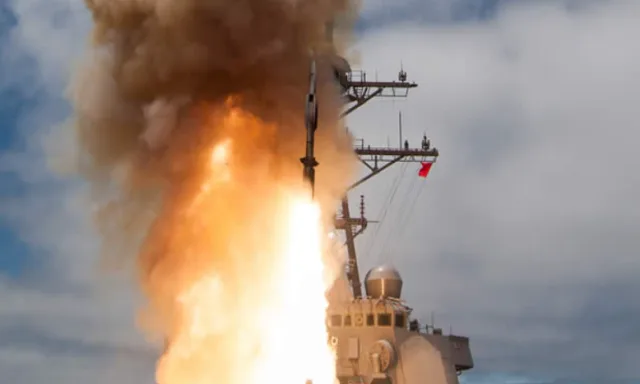
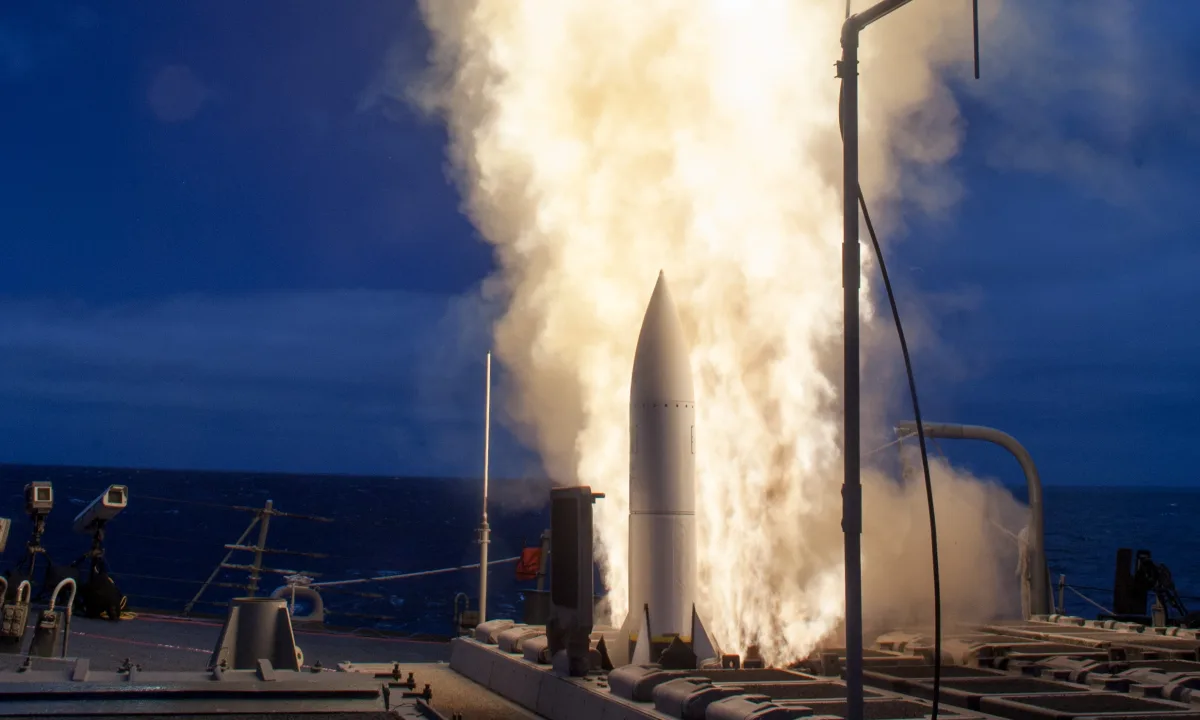
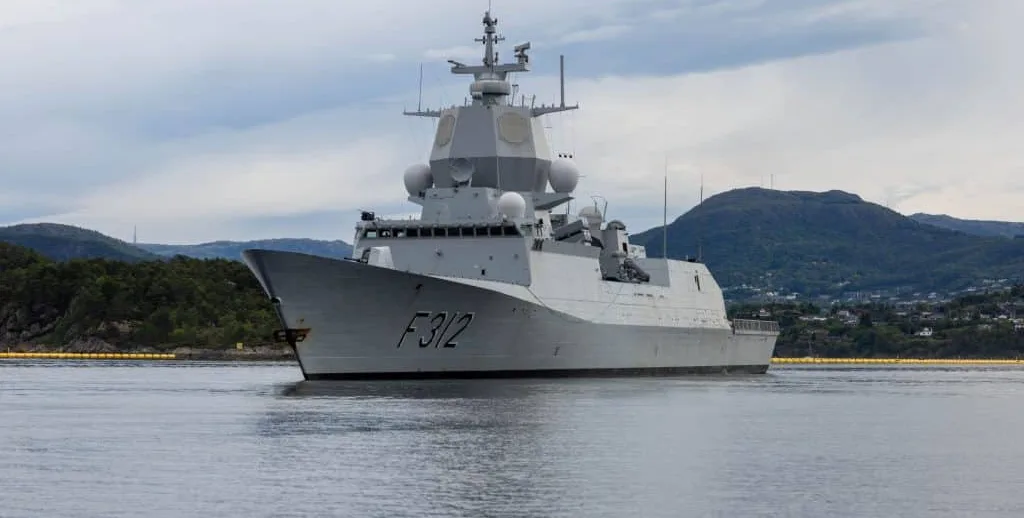
- The first ESSM Block 2 firing was successfully carried out from the Royal Norwegian Navy's Fridtjof Nansen-class frigate KNM Otto Sverdrup.
- ESSM Block 2 offers autonomous guidance capability in the terminal phase thanks to its active and semi-active dual-mode radar seeker.
- Fully compatible with existing Mark 41 Vertical Launch System (VLS) cells, the missile maintains the quad-pack configuration.
Enhancing its deterrence in Northern Europe's strategic sea lanes, the Royal Norwegian Navy has crossed another critical threshold in surface warfare readiness. Under the P6192 project executed by the Norwegian Defence Materiel Agency (FMA), the air defense architecture of the Fridtjof Nansen-class frigates is being strengthened with next-generation munitions. During test activities conducted off the coast of Andøya, the Evolved SeaSparrow Missile (ESSM) Block 2, which will replace the older generation Block 1 variants in the inventory, was live-fired for the first time.
Technical Capacity and Balance in the Field
In the test campaign coordinated from the Andøya Space Defense range, both simulated scenarios and actual firings against target drones were executed. The primary focus of the activities was to verify the synchronized operation of the updated version of the Aegis combat management system software, the missile's next-generation communication protocols, and active guidance features. While telemetry data collected during the firing was dispatched to relevant centers in the United States for detailed analysis, initial reports indicated that the results closely aligned with the navy's air defense objectives.
Sponsor AdPromote Your Defense Brand Globally Across 6 Languages
Reach military procurement officers, defense contractors, and AI (GEO/AEO) search engines in 6 languages.
ESSM Block 2 stands out as a generation-shifting technological leap in ship self-defense systems. Designed in partnership with the international NATO SeaSparrow Consortium and manufactured by RTX, the munition retains the combat-proven airframe structure of the previous-generation Block 1 while being equipped with a dual-mode (active and semi-active) radar seeker. While the Block 1 variant depends on continuous wave illumination from the launching ship's fire control radars throughout its entire flight, the Block 2 gains fully autonomous guidance capability in the terminal phase. Thanks to this capability, the Aegis architecture can engage multiple complex threats simultaneously without getting caught in the shipboard illuminating radar bottleneck. With a range exceeding 50 kilometers and a maximum speed of over Mach 4, the missile provides exceptional protection against advanced anti-ship missiles, tactical aircraft, and asymmetric surface elements. Furthermore, its full integration into existing Mark 41 Vertical Launch System (VLS) cells and retention of the capacity to house four missiles per cell (quad-pack) ensure that warships do not compromise on firepower.
Conclusion and Future Perspective
This historic test firing off the coast of Andøya proved that Norwegian frigates have elevated their allied operational integration to the highest level. In the next phase, to be conducted under the coordination of the FMA Maritime Capabilities division and the Royal Norwegian Navy Logistics Command, the system's fleet-wide integration, software optimizations, and final operational certification process will be completed. At a time when security parameters in the North Atlantic and Arctic regions are changing rapidly, the procurement of the ESSM Block 2 makes Norwegian frigates not only protectors of national waters but also one of the most reliable air defense bastions of allied naval task forces.