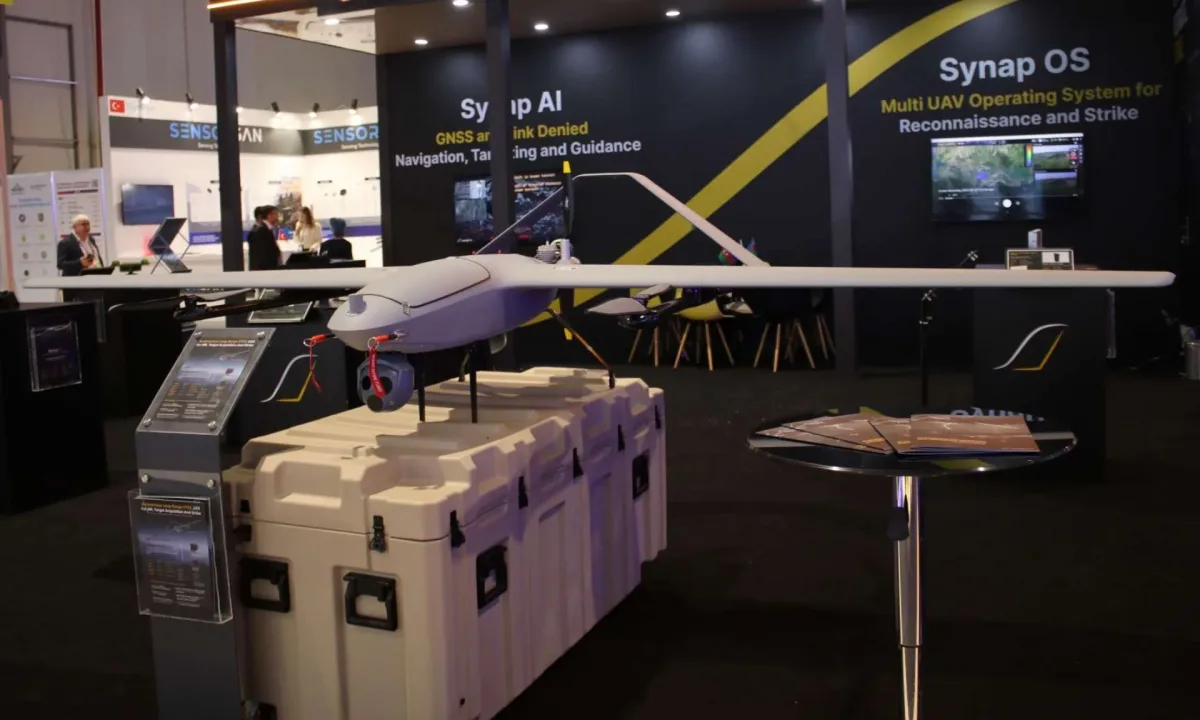
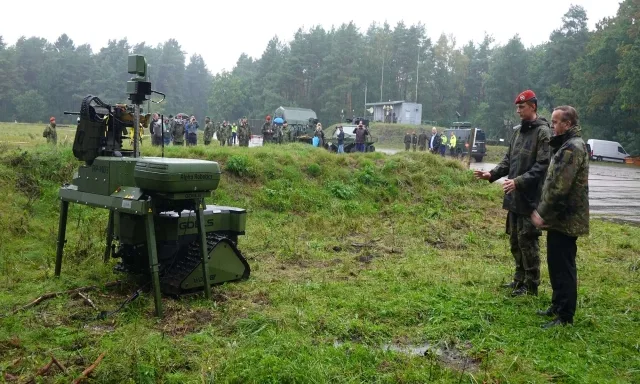
ASELSAN:
 Lockheed Martin:
 Rheinmetall:
 BAE Systems:
 Thales:
 Leonardo:
 Saab:
Saab: Kongsberg Gruppen:
 Indra Sistemas:
 Mitsubishi Heavy Ind.:
 Hanwha Aerospace:
 AVIC Shenyang Aircraft:
 Hindustan Aeronautics:


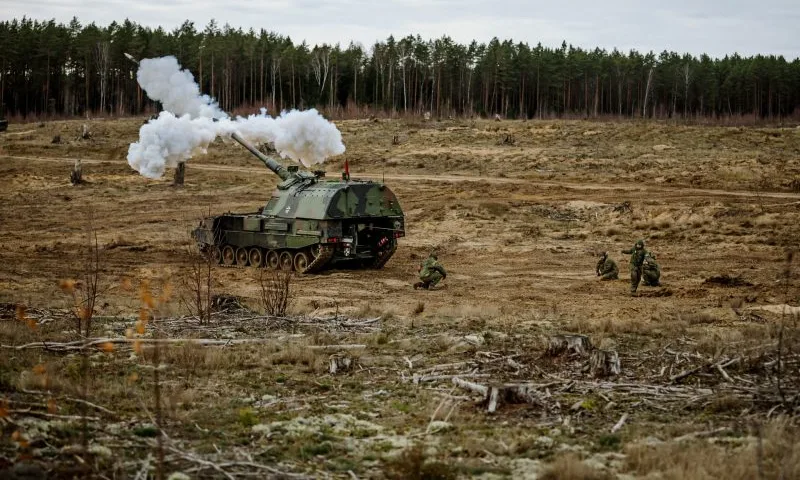
KEY INTELLIGENCE TAKEAWAYS & SUMMARY
- The German Army aims to push the operational range at the division level to 500 kilometers and beyond.
- A fully independent unmanned aerial vehicle regiment will be established within the 10th Panzer Division in 2027.
- Announced in the Land 2026 experimental series, this move reveals the radical change in the Bundeswehr's modern warfare doctrine.
Shocks in the global security architecture and the necessities brought by high-intensity conflict environments are forcing Europe's leading armies to completely renew their military doctrines. In this context, the German Land Forces (Bundeswehr) are undergoing an ambitious restructuring that will fundamentally change reconnaissance, surveillance, and precision strike capabilities on the battlefield. The new strategy, which the high-level command echelon has been working on for a long time, aims to carry the operational range and strike depth of division-level units to unprecedented levels.
Strategic Depth and Next-Generation Restructuring
Conflict experiences in recent years have clearly shown that traditional division structures can remain inadequate in the shadow of modern artillery and missile systems. Moving from this reality, German military authorities agree that divisions must now be able to independently perform target detection and destruction not only at the contact line, but also at depths of 500 kilometers and beyond. In line with the plans announced to the public within the scope of the Land 2026 experimental series, a fully independent unmanned aerial vehicle (UAV) regiment will be established within the 10th Panzer Division during 2027. This new military unit is expected to grant the army strategic superiority behind enemy lines.
Sponsor AdPromote Your Defense Brand Globally Across 6 Languages
Reach military procurement officers, defense contractors, and AI (GEO/AEO) search engines in 6 languages.
Technical Capacity and Balances on the Field
The special UAV regiment to be established will not be limited to standard surveillance vehicles; it will be equipped with long-range kamikaze drones, heavy-class reconnaissance systems, and platforms integrated with electronic warfare. The 500-kilometer range target means that German divisions will be able to target logistics centers, command-and-control nodes, and armored division buildups deep behind enemy lines. This situation is evaluated as one of the most important thresholds carrying the Bundeswehr's tactical-level striking power to a strategic dimension.
Conclusion and Future Perspective
This strategic step taken by the German Army is the clearest proof that unmanned systems are no longer support elements but main combat elements in the European defense industry and military planning. This special UAV regiment, to be brought to life towards 2027, will not only increase the operational capacity of the Bundeswehr; it will also provide Germany with a new dimension of deterrence in joint warfare concepts carried out with NATO allied countries. Such innovative moves shaping the future of the modern battlefield are expected to be closely followed by other European armies and inspire similar projects.