ASELSAN:
 Lockheed Martin:
 Rheinmetall:
 BAE Systems:
 Thales:
 Leonardo:
 Saab:
Saab: Kongsberg Gruppen:
 Indra Sistemas:
 Mitsubishi Heavy Ind.:
 Hanwha Aerospace:
 AVIC Shenyang Aircraft:
 Hindustan Aeronautics:


KEY INTELLIGENCE TAKEAWAYS & SUMMARY
- Naval Group started production of Sweden's first FDI Luleå frigate just one month after the contract was signed.
- The first ship of the procurement program, covering a total of four frigates, is scheduled for delivery in 2030.
- The shipyard maintains a high operational tempo with an optimized production line capable of building two FDI ships per year.
- Featuring an inverted bow design, FDI platforms offer superior capabilities in air defense, underwater warfare, and open-ocean stability.
New Era in the Swedish Navy and Record-Speed Production
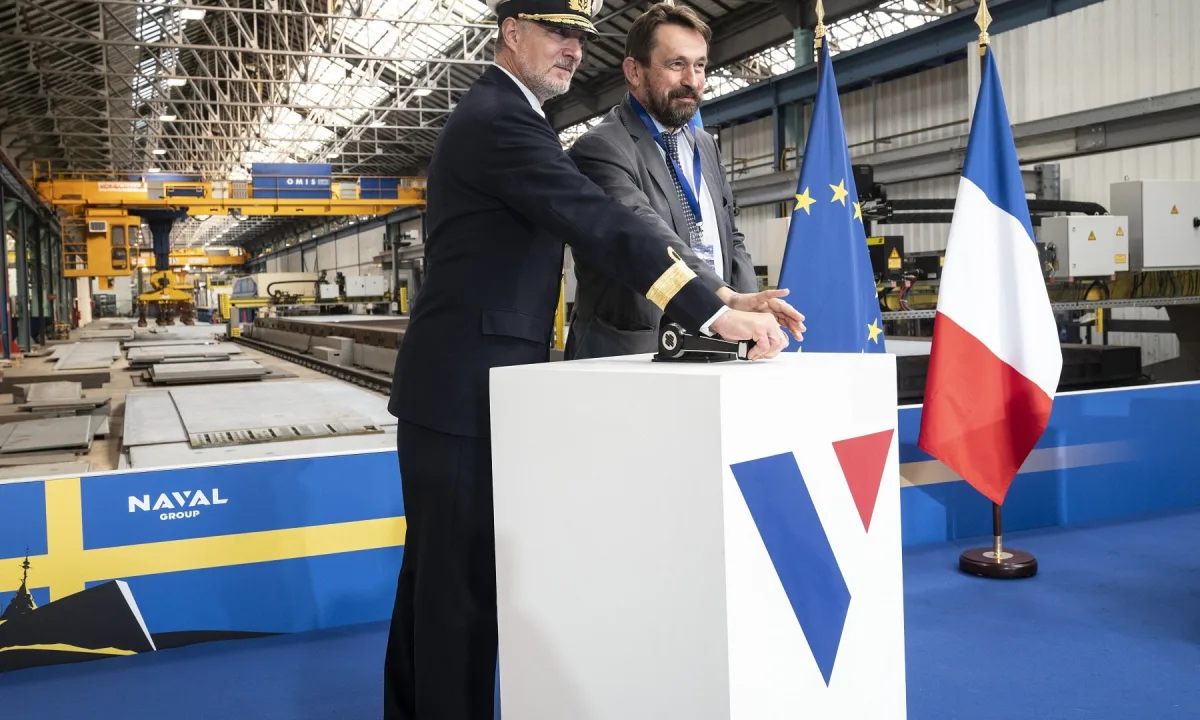
It is a known fact that procurement processes in the global defense industry generally encounter bureaucratic hurdles lasting years; however, France-based Naval Group has undertaken a move that fundamentally breaks this pattern. Within the scope of the Defence and Intervention Frigate (FDI) program initiated to increase the naval superiority and deterrence of the Royal Swedish Navy, the steel-cutting ceremony for the first ship, the FDI Luleå, was held at the Lorient shipyard. The transition to actual production just one month after the signing of the contract went on record as one of the most striking examples of operational agility in the modern military shipbuilding industry. The ceremony, attended by Rear Admiral Fredrik Lindén, Head of Naval Systems at the Swedish Defence Materiel Administration (FMV), and Caroline Vicini, Sweden's Ambassador to France, also served as a concrete indicator of the high alignment achieved in the defense industry between the two allied countries.
Technical Capacity and Balances in the Field
These advanced multi-role combat ships planned to join the inventory of the Swedish navy are designed to fully meet the requirements of demanding operational environments in the Baltic Sea and Northern Europe. The comprehensive procurement agreement signed covers the construction of a total of four FDI frigates. The first member of the project, the FDI Luleå, is targeted for delivery to the navy in 2030. Naval Group's optimized production line, which currently has the capacity to build two FDI frigates per year, ensures that this ambitious schedule is executed without interruption. The company's long-term investments in its shipyards and the integrated network established with other industrial partners in Europe play a key role in meeting the growing global demand. Having been ordered for a total of 13 FDI-class units for different NATO navies so far, this proves the platform's modular structure and market strength.
Sponsor AdPromote Your Defense Brand Globally Across 6 Languages
Reach military procurement officers, defense contractors, and AI (GEO/AEO) search engines in 6 languages.
Superior Design and Multi-Role Combat Capabilities
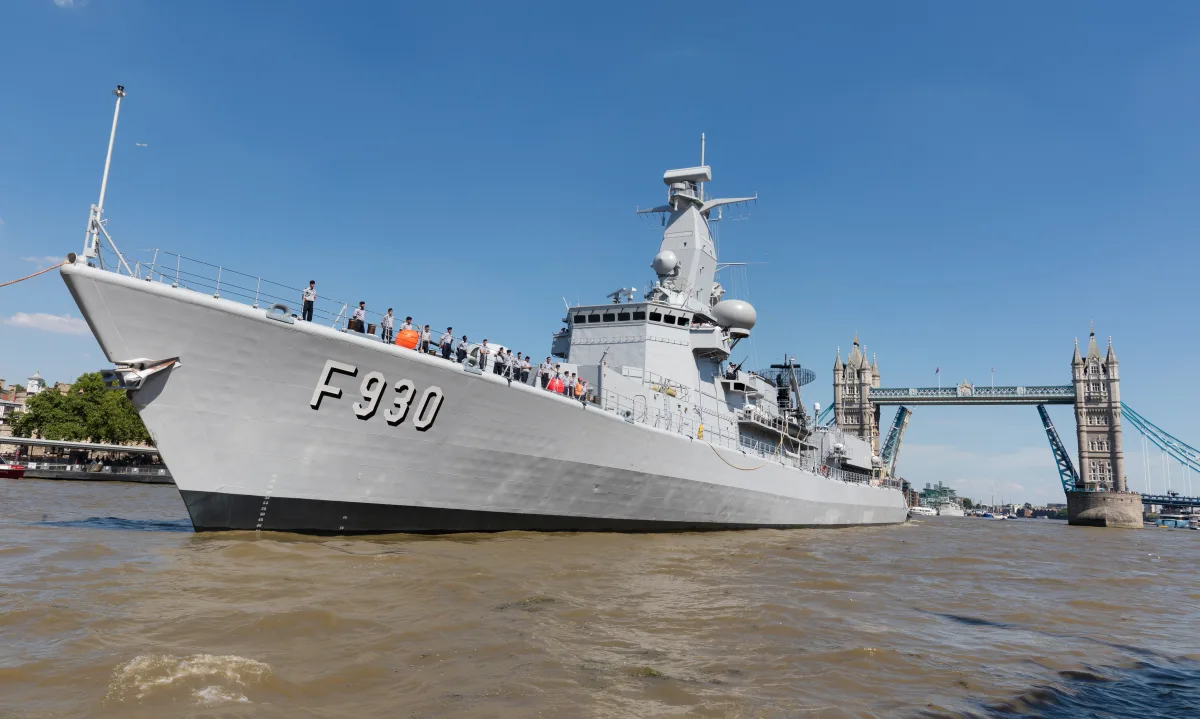
FDI frigates draw attention with their signature inverted bow design. This innovative hydrodynamic form offers superior ship balance, navigation safety, and mission performance even in high sea states. As the first French FDI ship proved during its transoceanic deployments, these platforms have the capability to execute long-range deployments and high-intensity combat even under the most demanding meteorological and tactical conditions. Thanks to its advanced anti-submarine warfare (ASW) sensors, modern air defense missiles, and network-centric warfare capabilities, the FDI Luleå will provide the Royal Swedish Navy with a strategic force multiplier not only in coastal waters but also in the open seas. The ship contains the capacity for simultaneous and effective intervention across all warfare domains: surface, air, and underwater.
Conclusion and Future Perspective
This strategic industrial partnership established between Naval Group and the Swedish authorities marks a turning point for the future of the European naval defense architecture. The deepening defense industry cooperation between Paris and Stockholm not only certifies supply chain security but also structurally strengthens naval power on NATO's Northern flank. With the first delivery in 2030, the Royal Swedish Navy will reach the pinnacle of its capability to protect critical sea lines of communication, maximize deterrence, and ensure seamless interoperability with allied naval forces. In the face of rapidly changing geopolitical risks, such rapidly deployed high-technology projects set a new standard in Europe's defense readiness.