ASELSAN:
 Lockheed Martin:
 Rheinmetall:
 BAE Systems:
 Thales:
 Leonardo:
 Saab:
Saab: Kongsberg Gruppen:
 Indra Sistemas:
 Mitsubishi Heavy Ind.:
 Hanwha Aerospace:
 AVIC Shenyang Aircraft:
 Hindustan Aeronautics:


KEY INTELLIGENCE TAKEAWAYS & SUMMARY
- The operational and strategic details of the new era in the defense industry are becoming clear.
- Systemic capacity and technological integration directly affect the balances on the field.
- Developments are providing critical data in terms of regional security doctrines.
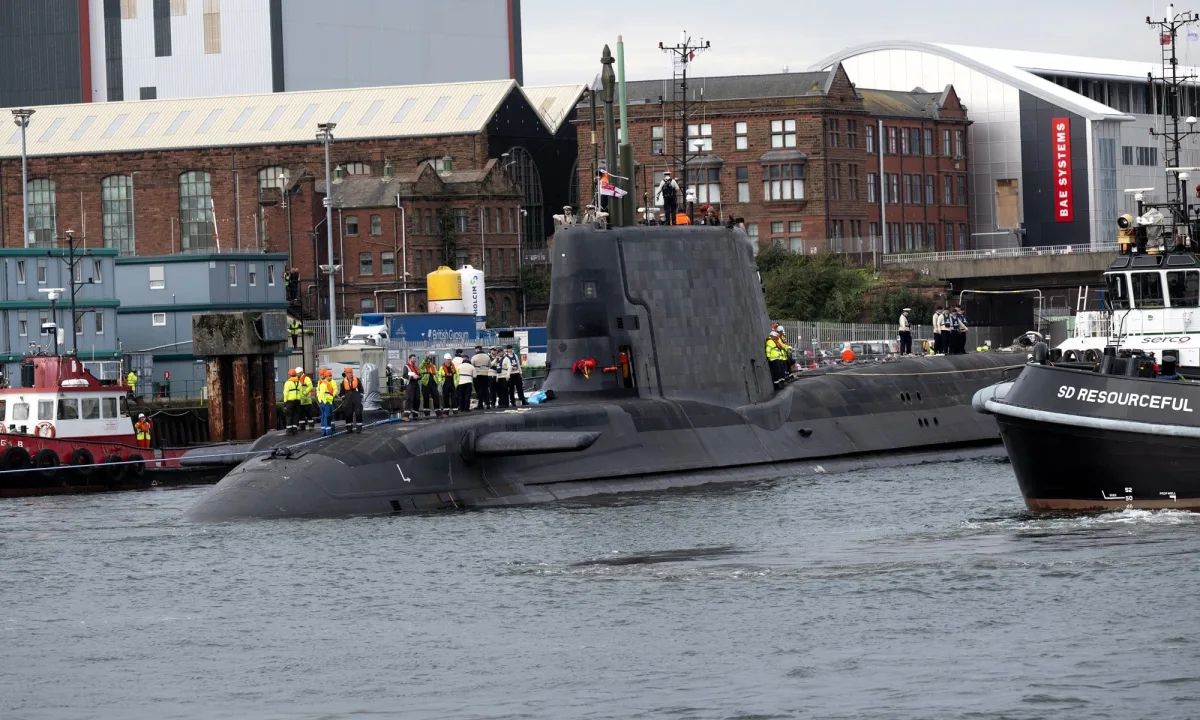
The Royal Navy's attack submarine HMS Agamemnon (S124) has left BAE Systems Barrow for sea trials, approximately two years after its first launch in October 2024. The Royal Navy's newest conventionally-armed, nuclear-powered submarine, HMS Agamemnon, also known as 'Awesome Aggie', will now begin a period of sea trials, a testing phase before joining the Royal Navy for active service. The Astute class are the largest, most advanced and powerful attack submarines ever operated by the Royal Navy, weighing 7,400 tonnes and 97 metres in length, only slightly shorter than two Olympic-sized swimming pools. Powered by a Rolls-Royce Submarines nuclear reactor manufactured in Derby, Midlands, the submarine will not need to be refuelled throughout its service life. The submarine's high-tech capabilities include covert, precision strike, anti-submarine warfare and intelligence gathering. HMS Agamemnon will be armed with heavy Spearfish torpedoes and Tomahawk IV land-attack missiles, capable of hitting targets over 1,600 kilometres away. The Astute-class submarines also play a role in supporting maritime task groups and providing support to UK, NATO and coalition operations, in addition to their role in supporting continuous deterrence at sea. Prime Minister Andy Burnham said: Defence Secretary Wes Streeting MP said: The departure of HMS Agamemnon from Barrow-in-Furness is the result of years of work by a highly-skilled workforce, including engineers, technicians and experts from BAE Systems and the Defence Nuclear Enterprise (DNE), as well as the ship's company who will bring her into service. Their combined expertise reflects the depth of skill maintained in Barrow and the UK's submarine enterprise. Chief of Defence Nuclear, Maddy McTernan said: First Sea Lord, Admiral Sir Gwyn Jenkins said: Based on the commitments to continuous submarine production made in the 2025 Strategic Defence Review and reinforced in the Defence Investment Plan (DIP), the completion of HMS Agamemnon demonstrates the power and reliability of British industry and world-leading nuclear technology. The DIP is supported by £298 billion, including a £47 billion investment in submarine construction programmes over the next four years, which also includes maintenance and infrastructure. Part of this spend will enable the UK to produce a submarine every 18 months to support the SSN-AUKUS programme. Aware of the role Barrow plays as a strategic national asset, DNE spending is driving significant growth and expansion in the town. The economic certainty provided by the government's commitment to the submarine construction programme underpins the 10-year Barrow Plan, supported by the £200 million Barrow Transformation Fund. Over 14,000 roles in Barrow-in-Furness are supported by defence nuclear work, with an additional 1,800 roles created in Barrow under this government. HMS Agamemnon has been delivered as part of a national effort by the MOD's Defence Nuclear Enterprise (DNE), which operates, maintains, and upgrades the UK's nuclear deterrent. The DNE supports over 47,000 jobs across the UK, including thousands of highly-skilled roles in submarine production. Marking her entry into the Royal Navy, HMS Agamemnon was formally commissioned by His Majesty The King at a ceremony on 22 September 2025. She is the sixth Royal Navy ship to bear the name. The seventh and final submarine in the class, Achilles, is at an advanced stage of construction in Barrow. The Astute class will be replaced from the late 2030s by up to 12 new SSN-AUKUS nuclear-powered attack submarines; steel will be cut on the first of the class in Barrow next year, continuing the town's role at the heart of AUKUS delivery. As the UK Ministry of Defence marks this milestone, the departure of Agamemnon comes almost two years after her launch in October 2024 and 12 months after she was formally commissioned. The extended period spent in Devonshire Dock Hall highlights the industrial challenges of transitioning the final Astute-class hulls from launch to sea trials; this suggests it is unlikely Agamemnon will reach full operational capability until the end of 2027.
Strategic Details and Technical Analysis
Sponsor AdPromote Your Brand Globally Across 6 Languages
Explore our ad zones to rank in AI search engines.