ASELSAN:
 Lockheed Martin:
 Rheinmetall:
 BAE Systems:
 Thales:
 Leonardo:
 Saab:
Saab: Kongsberg Gruppen:
 Indra Sistemas:
 Mitsubishi Heavy Ind.:
 Hanwha Aerospace:
 AVIC Shenyang Aircraft:
 Hindustan Aeronautics:


KEY INTELLIGENCE TAKEAWAYS & SUMMARY
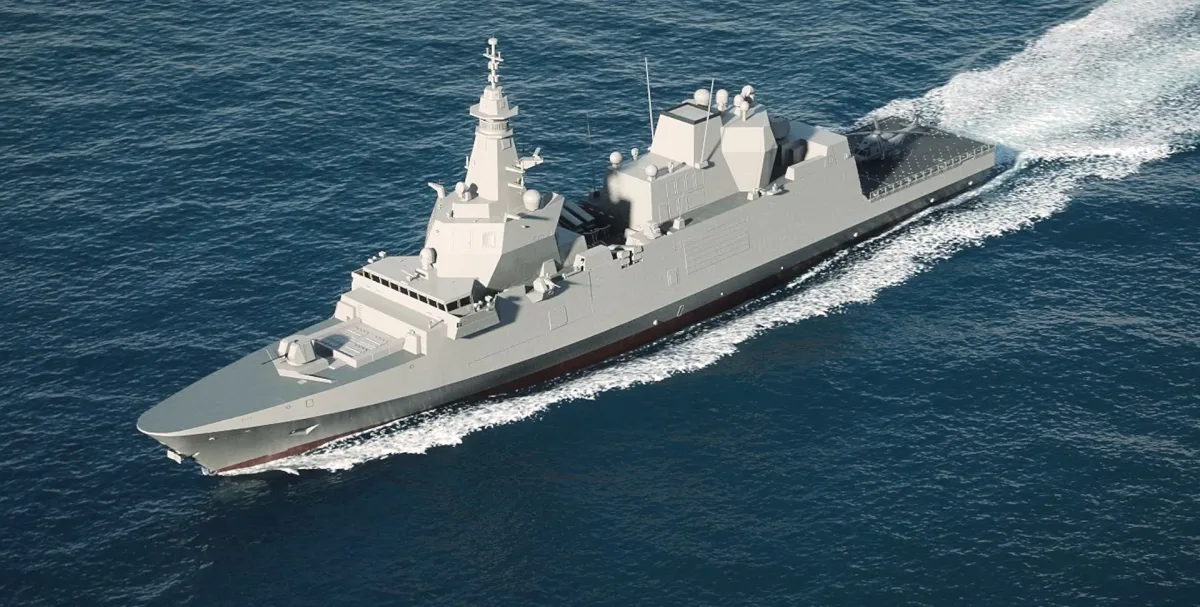
- Following the canceled Constellation-class frigate project, Fincantieri is knocking on the US Navy's door once again with the FREMM EVO design.
- The new proposal aims to keep design changes to a minimum to prevent supply chain costs and production delays.
- The Leonardo Kronos Dual Band Radar system featured in the FREMM EVO model provides the vessel with advanced ballistic missile defense capabilities.
- The US Navy's future small surface combatant strategy includes options for constructing foreign designs in domestic shipyards or procuring them directly from abroad.
The US Navy's Frigate Dilemma and Fincantieri's Return
The strategic transformation and power projection requirements experienced in the global naval warfare theater are fundamentally changing navies' inventory planning. The cancellation of the Constellation-class frigate project, which created major repercussions in the US Navy's long-term combatant ship strategy, had created a deep void in Washington's procurement mechanisms. Eager to fill this critical void, shipbuilding giant Fincantieri Marine Group has rolled up its sleeves to re-establish a presence in the American naval market with a strategic move. Official statements made at the company CEO level clearly reveal the desire to integrate into the ongoing next-generation small surface combatant concept studies.
The failures experienced in the past Constellation program were disrupted because the basic design drifted excessively from the original parent platform and due to endless 'design spirals'. The investments made by the Italian-rooted parent company in the US and the supply chain infrastructure it established form a solid foundation for potential alternatives to be offered in the new period. The naval staff's tendency towards 'off-the-shelf' models that minimize design changes and promise fast delivery ranks among the primary elements strengthening Fincantieri's hand.
Sponsor AdPromote Your Defense Brand Globally Across 6 Languages
Reach military procurement officers, defense contractors, and AI (GEO/AEO) search engines in 6 languages.
Technical Capacity and Prominent Features of the FREMM EVO Model
At the center of the new proposal put on the table by Fincantieri is the FREMM EVO, an advanced version of the baseline FREMM platform, which is a product of the Franco-Italian partnership. Recognized as one of the most successful examples of the multi-role frigate concept in the maritime industry, this hull structure draws attention with its capability to simultaneously execute air defense, anti-submarine warfare, and surface warfare missions. Looking at its technical data, the FREMM EVO has a length of approximately 144 meters, a beam of 19.7 meters, and generates a displacement of 6,500 tons under full combat load.
One of the most revolutionary innovations of the platform constitutes its advanced radar architecture. The Leonardo Kronos Dual Band Radar (DBR) system combines the C-band Kronos Quad and X-band Kronos StarFire radars under a single roof, offering active electronically scanned array (AESA) advantages on the superstructure. This integrated approach enables the simultaneous tracking of multiple threats while allowing the generation of high-fidelity target tracks. Providing ballistic missile interception capacity particularly at the terminal phase, this radar architecture delivers a critical layer of deterrence against the changing threat dynamics of modern naval warfare.