ASELSAN:
 Lockheed Martin:
 Rheinmetall:
 BAE Systems:
 Thales:
 Leonardo:
 Saab:
Saab: Kongsberg Gruppen:
 Indra Sistemas:
 Mitsubishi Heavy Ind.:
 Hanwha Aerospace:
 AVIC Shenyang Aircraft:
 Hindustan Aeronautics:


KEY INTELLIGENCE TAKEAWAYS & SUMMARY
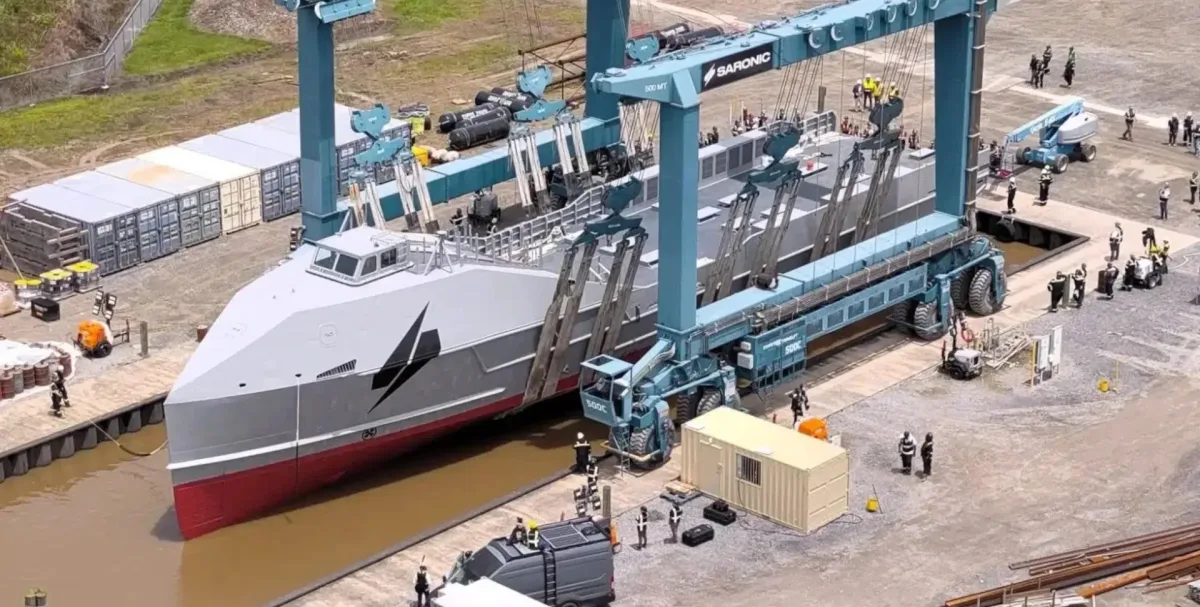
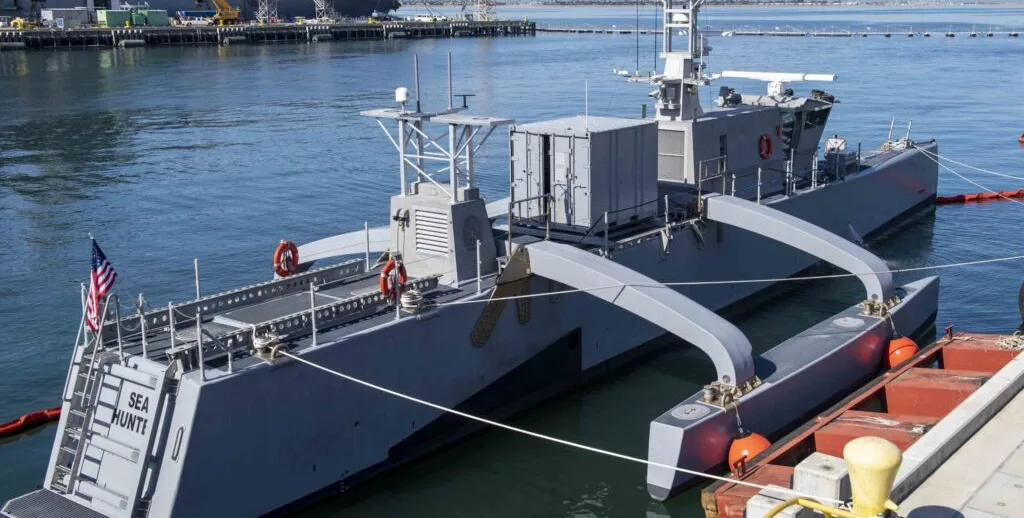
- The US Navy will procure a total of 30 unmanned surface vehicles in the second phase of the MUSV program.
- Next-generation autonomous systems will ease the logistical and reconnaissance burden in open-sea operations.
- The unmanned systems market is expanding by diversifying the supply chain in the defense industry.
New Era in Autonomous Naval Systems
Global military maritime doctrines are rapidly evolving toward autonomous systems against scenarios where manned platforms are at risk. One of the most concrete examples of this transformation, the Medium Unmanned Surface Vehicle (MUSV) program, ranks among the top strategic priorities of the US Navy. Standing out with their ability to conduct long-duration missions in the open seas, these platforms are designed to increase the operational flexibility of the navy. Having successfully passed the rigorous at-sea tests conducted recently, the project has pushed the button to expand the supply chain and transition to the mass production phase.
Technical Capacity and Balances in the Field
MUSV platforms are positioned not only as mere reconnaissance vehicles, but also as critical force multipliers in the naval combat arena. Thanks to their long-range cruising capacity, advanced sensor suites, and modular payload-carrying architecture, these vehicles can play an active role in electronic warfare and anti-submarine warfare operations, alongside intelligence, surveillance, and reconnaissance (ISR) missions. The new procurement move initiated by the navy aims not only for a numerical increase, but also for maturing autonomous command-and-control algorithms under real-world conditions in the field. Involving different manufacturers to increase competition in the defense industry ensures that the systems achieve a cost-effective and highly reliable structure.
Sponsor AdPromote Your Defense Brand Globally Across 6 Languages
Reach military procurement officers, defense contractors, and AI (GEO/AEO) search engines in 6 languages.
Conclusion and Future Perspective
The US Navy's decision to procure 30 MUSVs is the clearest indication that unmanned surface vehicles will form the backbone of the future naval battlefield. These autonomous platforms, which will share the operational burden of traditional warships and serve as vanguard forces in high-risk regions, are fundamentally altering the deterrence capacity of navies. In the coming years, with the equipping of these systems with artificial intelligence-based swarm intelligence capabilities and the completion of their logistical integrations, tactics in naval warfare will be completely rewritten.