ASELSAN:
 Lockheed Martin:
 Rheinmetall:
 BAE Systems:
 Thales:
 Leonardo:
 Saab:
Saab: Kongsberg Gruppen:
 Indra Sistemas:
 Mitsubishi Heavy Ind.:
 Hanwha Aerospace:
 AVIC Shenyang Aircraft:
 Hindustan Aeronautics:


KEY INTELLIGENCE TAKEAWAYS & SUMMARY
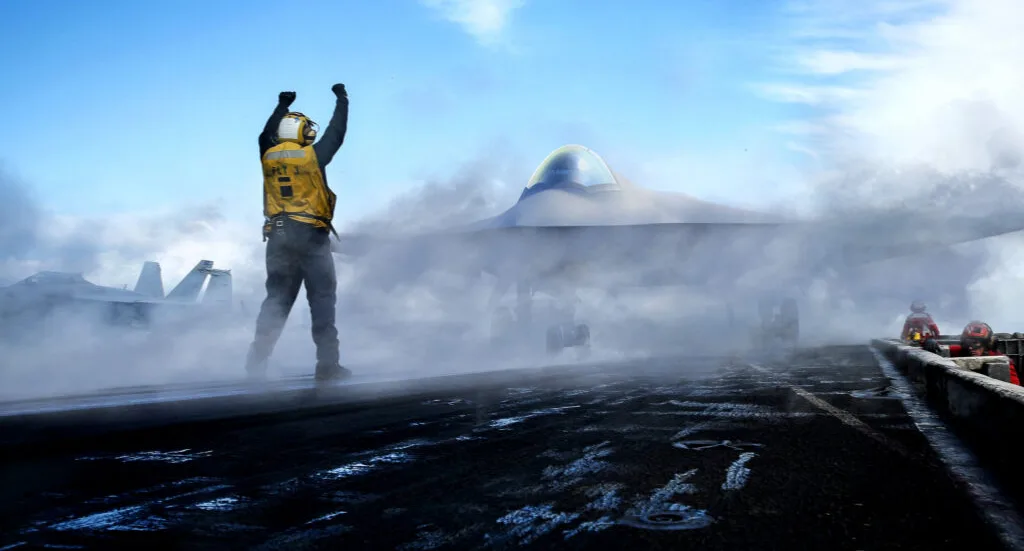
- Boeing won the tender for the U.S. Navy's F/A-XX sixth-generation fighter jet program.
- Having previously secured the F-47 project, the company has captured a total monopoly on all sixth-generation fighter jet production in the U.S.
- Next-generation air dominance projects are shaped by autonomous systems and advanced warfare capabilities.
- This move fundamentally alters the balance of power and supply chain dynamics in the global aviation sector.
In the United States, the heart of the global defense industry, a massive tender process that will directly impact the history of military aviation has reached its conclusion. Defense giant Boeing has succeeded in winning the tender for the next-generation F/A-XX fighter program conducted by the U.S. Navy, which will determine future naval aviation dominance. This critical move provides the company with an unprecedented strategic advantage in the American military aviation ecosystem while possessing the qualities to redefine the balance of power in the skies for decades to come.
Strategic Dominance and Monopoly Position
The long-standing competition in the aviation sector has evolved into a new phase with this latest move. Boeing securing this giant program has not only earned the company a production right; following its selection in 2025 to build the F-47 project, it has also established a complete monopoly for the United States on all sixth-generation fighter jet projects. This strategic concentration, stepping outside traditional supply chain models, highlights Washington's trust and dependence on a single prime contractor for the next-generation air dominance concept. The F/A-XX platform is expected to be equipped with groundbreaking technologies such as autonomous capabilities, artificial intelligence-supported mission systems, and advanced thermal signature management under the demanding conditions of aircraft carrier-based operations.
Sponsor AdPromote Your Defense Brand Globally Across 6 Languages
Reach military procurement officers, defense contractors, and AI (GEO/AEO) search engines in 6 languages.
Conclusion and Future Perspective
Boeing's historic success opens the doors to a new era in the defense industry, both technologically and industrially. Gathering both the F-47 and F/A-XX programs under the same roof creates synergy in R&D processes while initiating a period where the projects will be closely monitored for cost-effectiveness and adherence to timelines. These sixth-generation platforms, which will set global military aviation standards, will not only change the U.S. Navy's operational doctrine but also directly influence the long-term procurement strategies of allied nations.