ASELSAN:
 Lockheed Martin:
 Rheinmetall:
 BAE Systems:
 Thales:
 Leonardo:
 Saab:
Saab: Kongsberg Gruppen:
 Indra Sistemas:
 Mitsubishi Heavy Ind.:
 Hanwha Aerospace:
 AVIC Shenyang Aircraft:
 Hindustan Aeronautics:


KEY INTELLIGENCE TAKEAWAYS & SUMMARY
- The joint Belgian-Dutch anti-submarine warfare frigate project is facing schedule delays.
- Due to the aging of current frigates, the Brussels administration is seriously considering the Italian FREMM EVO design as an alternative.
- The Dutch side states that diplomatic and military contacts between the two countries are ongoing and the process is being closely monitored.
Vulnerabilities in global defense supply chains and rising geopolitical tensions continue to push even the most critical modernization programs of European navies into a stalemate. Falling behind the planned schedule in the next-generation anti-submarine warfare frigate project, which has long been carried out as a strategic cooperation between Belgium and the Netherlands, has forced Brussels to put emergency scenarios on the table. These disruptions, which directly affect the operational readiness level of the naval forces, have also opened the future of the partnership model between the two allied countries to debate.
Technical Capacity and Balances on the Field
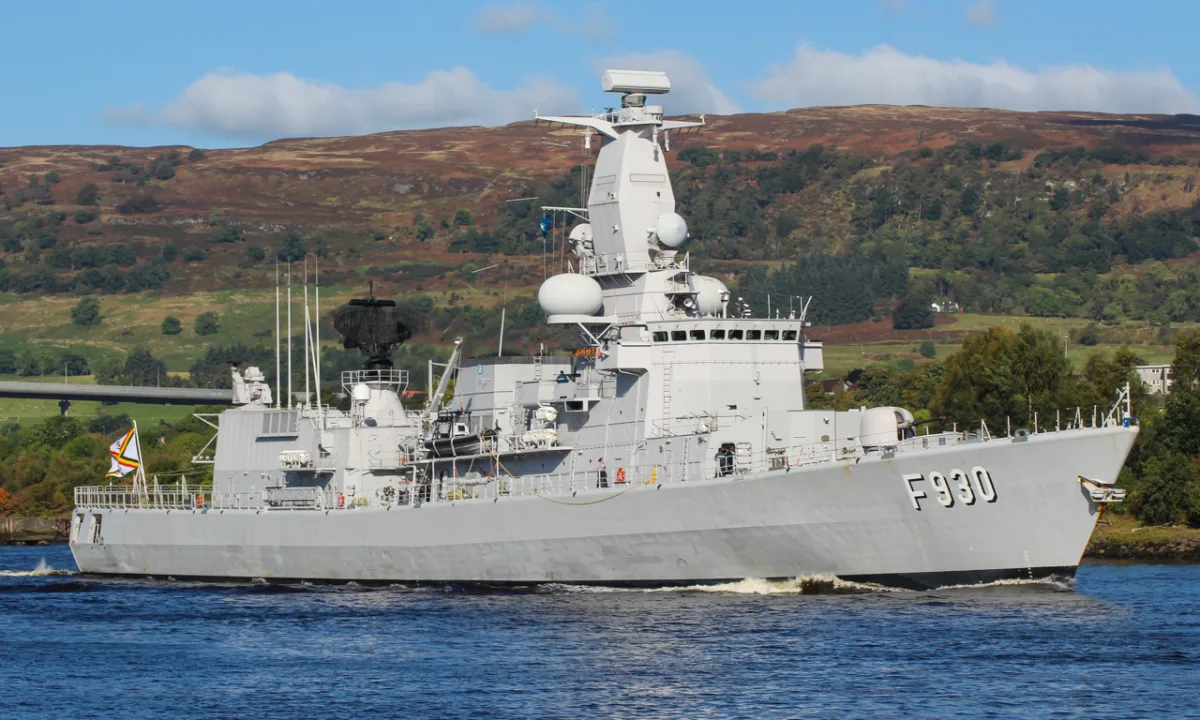
According to current planning, the joint frigate procurement aimed to increase the maritime deterrence capacity of both countries. However, structural and bureaucratic delays experienced in the project increased the risk factor during a period when timing is of vital importance. Especially the fact that the two existing frigates actively serving in the Belgian inventory are rapidly approaching the end of their service life stands out as the biggest factor tying Brussels' hands. Officials, who do not want the navy to experience a capability vulnerability, decided to activate Plan B without wasting time.
Sponsor AdPromote Your Defense Brand Globally Across 6 Languages
Reach military procurement officers, defense contractors, and AI (GEO/AEO) search engines in 6 languages.
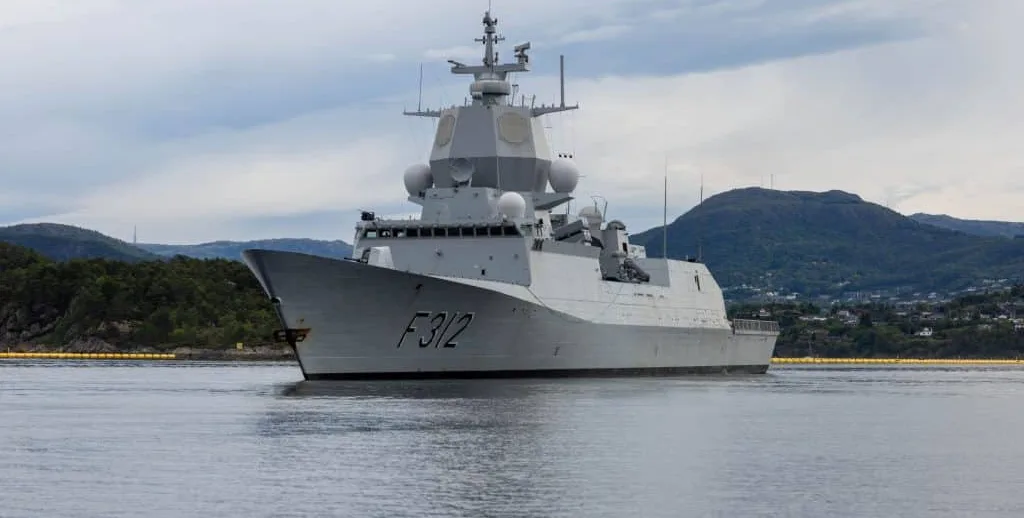
In this context, the FREMM EVO (Evvoluto) concept, bearing the signature of Italian shipbuilding giant Fincantieri, draws attention as the strongest alternative on the table of Belgian military staff. This evolved version of the FREMM-class frigates, known for their advanced surface warfare, air defense, and particularly superior anti-submarine warfare (ASW) capabilities, offers an attractive option because it is already a matured design and harbors rapid delivery potential. The Dutch side emphasizes that official talks between the two countries are ongoing and diplomatic and technical channels are being kept open to get the current partnership back on track.
Conclusion and Future Perspective
Such turmoil in Belgium and the Netherlands' joint frigate procurement project once again reveals how delicate balances joint weapon programs in Europe are built upon. The Brussels administration's deepening of its search for alternatives has the potential to affect not only bilateral relations, but also naval power integration across the continent. Critical talks to be held between the parties in the coming months will clarify whether the project will continue with the existing partnership or if Belgium will make a radical shift in direction towards the Italian solution.