ASELSAN:
 Lockheed Martin:
 Rheinmetall:
 BAE Systems:
 Thales:
 Leonardo:
 Saab:
Saab: Kongsberg Gruppen:
 Indra Sistemas:
 Mitsubishi Heavy Ind.:
 Hanwha Aerospace:
 AVIC Shenyang Aircraft:
 Hindustan Aeronautics:


KEY INTELLIGENCE TAKEAWAYS & SUMMARY
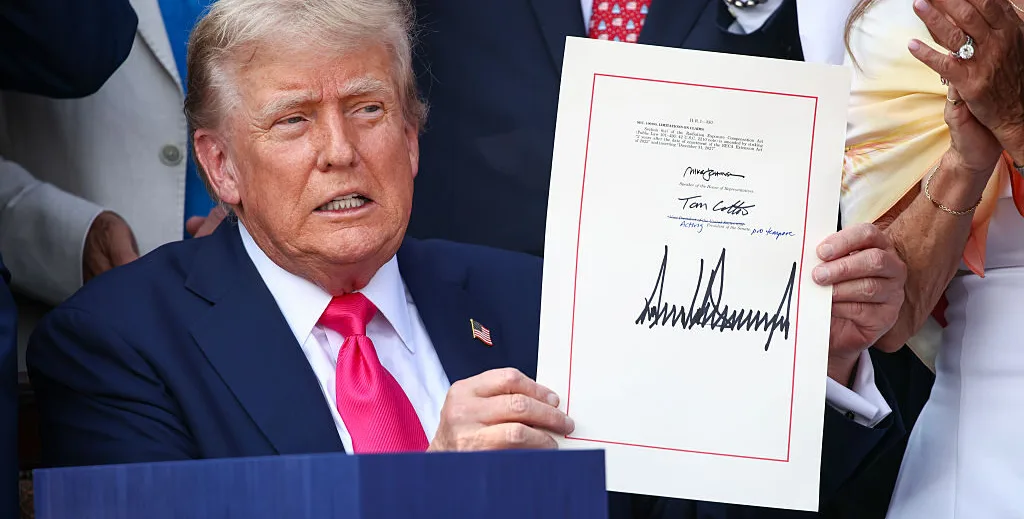
- The Pentagon obligated 93 percent (approximately $142 billion) of the $152 billion in funding provided by the reconciliation act before the deadline.
- The roughly 7 percent slice (approximately $10 billion) that fell behind the spending schedule suffered an 8.3 percent automatic cut (sequestration), leading to the evaporation of roughly $830 million in purchasing power.
- Despite delayed budget management processes, Defense Secretary Pete Hegseth and program offices rushed to fund critical modernization items, including the Golden Dome air defense architecture and new combatants.
While activity continues in Washington's defense circles, it has been confirmed that the U.S. Department of Defense (Pentagon) left millions of dollars on the table under the pressure of the fiscal calendar. During the process of exhausting the funds allocated under the massive reconciliation act passed by Congress last year, the rates achieved by the deadline sparked debate among military analysts. According to the latest information obtained, approximately $142 billion of the total $152 billion supplemental defense budget was successfully contracted.
Technical Capacity and Field Balances
The sluggishness experienced in the process of reflecting the budget onto the field was under the close scrutiny of the legislative branch throughout the year. The revelation during April Senate hearings that only $26 billion had been contracted by then had caused concern in the capital. Although Defense Secretary Pete Hegseth and top department officials issued acceleration directives during the summer, it was not possible to exhaust all of the funds. Even though the rate converged on the 95 percent target by the end of July, the roughly $10 billion slice that could not be spent before the closing bell of the fiscal year was disrupted.
Sponsor AdPromote Your Defense Brand Globally Across 6 Languages
Reach military procurement officers, defense contractors, and AI (GEO/AEO) search engines in 6 languages.
This situation means that approximately $830 million in military purchasing power disappeared without being utilized for any defense item. Defense economists and analysts emphasize that the Pentagon desperately needs every single dollar to solve long-term structural problems. This financial loss, especially during a period when the global threat environment is rapidly evolving, harbors operational risks in terms of supply chain and inventory planning.
Conclusion and Future Perspective
It remains unclear what kind of echo the billions of dollars left on the table on the first day of the fiscal year will create on the Congressional front. Although the leadership of the Senate Armed Services Committee has signaled general satisfaction with the process, defense budget discipline and budget management efficiency will continue to be deeply questioned in the upcoming period. Establishing more agile mechanisms by the Pentagon for similar fund transfers in future fiscal years stands out as a vital necessity for the sustainability of strategic deterrence.