ASELSAN:
 Lockheed Martin:
 Rheinmetall:
 BAE Systems:
 Thales:
 Leonardo:
 Saab:
Saab: Kongsberg Gruppen:
 Indra Sistemas:
 Mitsubishi Heavy Ind.:
 Hanwha Aerospace:
 AVIC Shenyang Aircraft:
 Hindustan Aeronautics:


KEY INTELLIGENCE TAKEAWAYS & SUMMARY
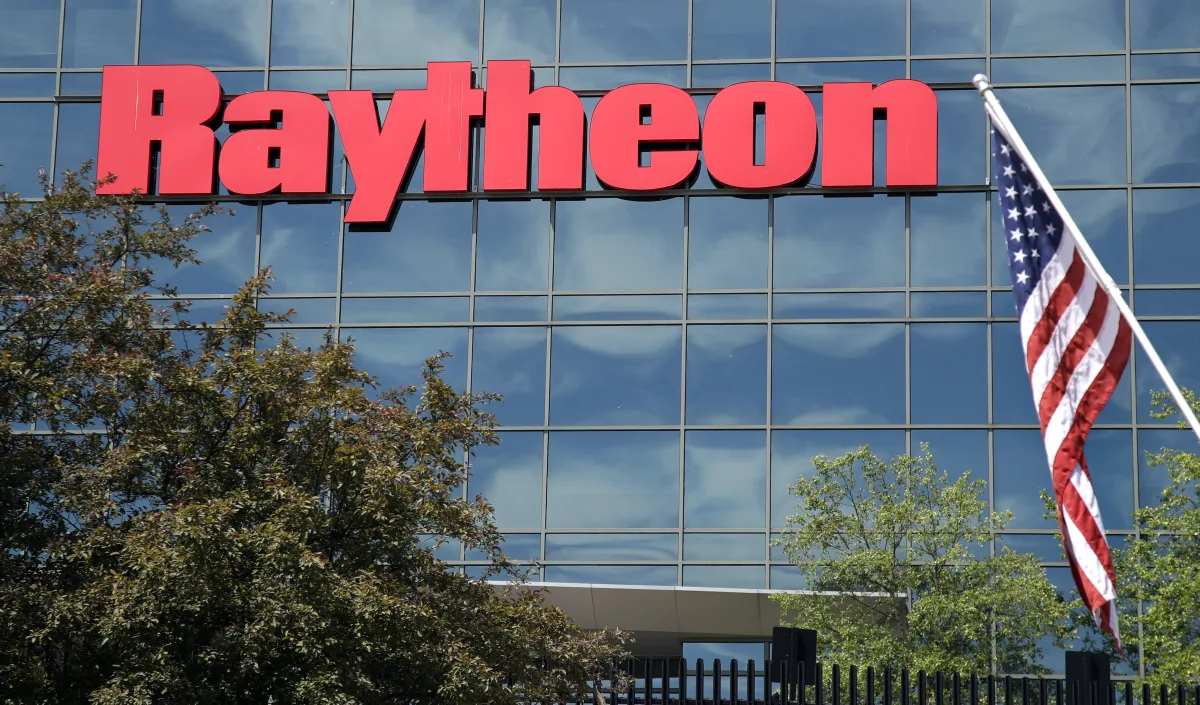
- The Pentagon signed a record multi-year contract worth up to $20.7 billion with Raytheon (RTX) for AMRAAM production.
- The new procurement agreement covers joint purchases by the US Air Force, Navy, and allied nations.
- The initiative is part of the US strategy to replenish ammunition stockpiles and strengthen the 'Arsenal of Freedom' campaign.
- Raytheon is investing billions of dollars in its supply chain and facilities to increase production capacity.
The rapid depletion of ammunition stockpiles in global defense markets and rising geopolitical risks have prompted the Washington administration to fundamentally transform the ammunition supply chain. In this context, the US Department of Defense (Pentagon) has signed a massive agreement with defense giant Raytheon (RTX) to elevate ammunition production capacity to historic highs. It has been announced that this new multi-year contract, aimed at nearly doubling the production of the Advanced Medium-Range Air-to-Air Missile (AMRAAM), could reach a ceiling price of $20.7 billion.
Strategic Production Move and Multi-Year Procurement Model
Covering five years and including two option years, this giant contract is at the center of the Pentagon's broad procurement strategy launched to expand the defense industrial base. Financed through the joint procurement mechanism of the US Air Force, the Navy, and allied nations, this massive budget far surpasses the record $3.5 billion AMRAAM contract signed previously in July 2025. Defense officials emphasize that the multi-year procurement authority provided by Congress plays a key role in bringing such long-term and cost-effective planning to life. Following congressional approval, supply lines are expected to be fully secured and annual production quantities rapidly increased to targeted ceiling levels.
Sponsor AdPromote Your Defense Brand Globally Across 6 Languages
Reach military procurement officers, defense contractors, and AI (GEO/AEO) search engines in 6 languages.
Technical Capability and Global Presence in the Field
Inventorying 44 different countries worldwide, the AMRAAM currently holds the distinction of being the most widely used radar-guided air-to-air missile on a global scale. Serving also as the primary interceptor munition for critical air defense architectures such as NASAMS (National Advanced Surface-to-Air Missile System), the system plays an active role in the air defense of critical infrastructure and strategic regions, including the capital Washington D.C. On the Raytheon front, production lines are being modernized by increasing supply chain resilience and strengthening the workforce infrastructure. While breaking annual production records in critical ammunition families such as AMRAAM and Tomahawk, the company is also concurrently carrying out development and production preparations for next-generation long-range systems like the AIM-260 JATM for the future battlefield.
Conclusion and Future Perspective
This giant $20.7 billion contract signed between the Pentagon and Raytheon clearly demonstrates the determination to secure the deterrence capacity of the US and its allies over the long term. Especially considering increasing conflict environments and diminishing ammunition inventories, it is of vital importance to provide the defense industrial base with a flexible and rapidly scalable structure. Doubling AMRAAM production lines will not only increase the effectiveness of existing platforms but will also serve as an industrial bridge during the transition process to future network-centric air warfare requirements.