ASELSAN:
 Lockheed Martin:
 Rheinmetall:
 BAE Systems:
 Thales:
 Leonardo:
 Saab:
 Kongsberg Gruppen:
 Indra Sistemas:
 Mitsubishi Heavy Ind.:
 Hanwha Aerospace:
 AVIC Shenyang Aircraft:
 Hindustan Aeronautics:



KEY INTELLIGENCE TAKEAWAYS & SUMMARY
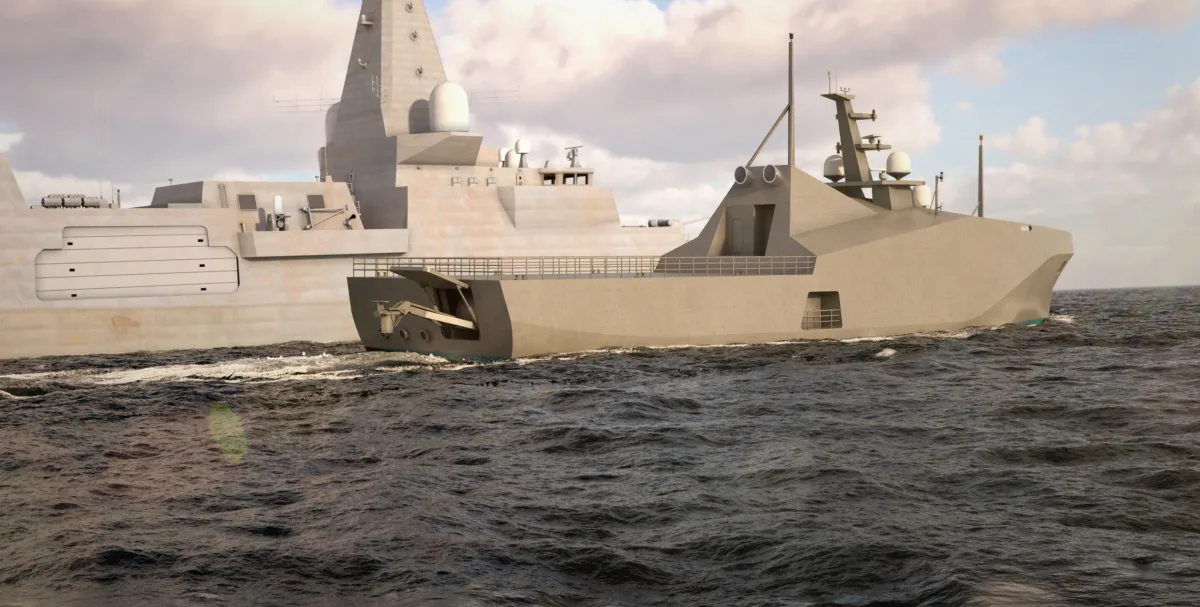
- SEAQUEST-S can be launched from the main ship without any modification to the tridents' existing LARS systems.
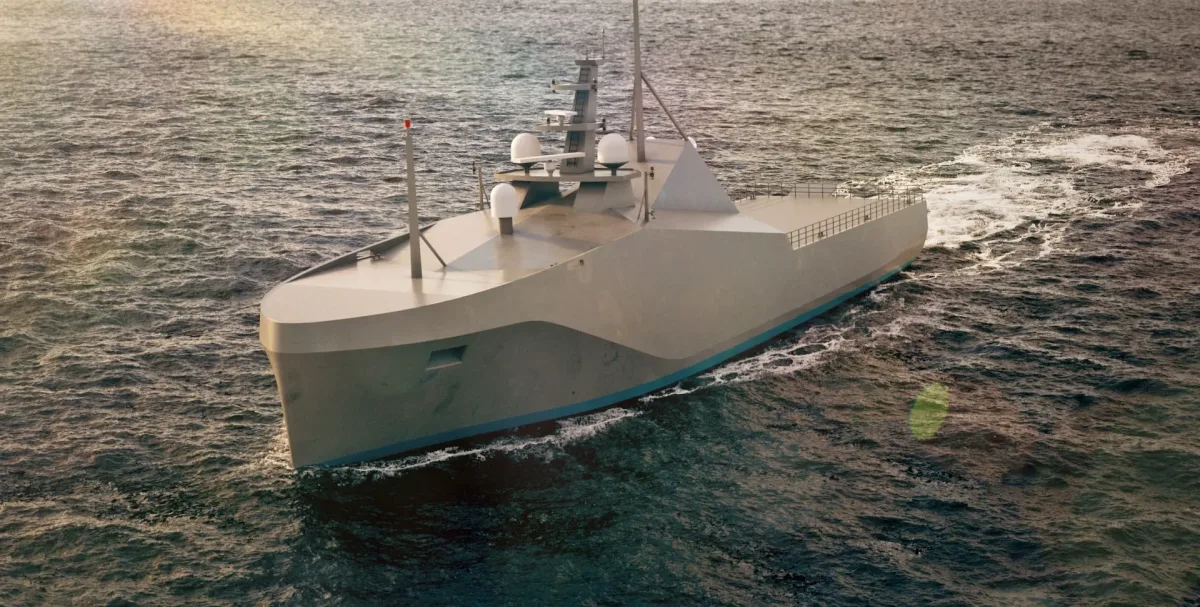
- With a 475 horsepower engine and water jet propulsion system, the vehicle can reach a maximum speed of 35 knots and has a range of 220 nautical miles.
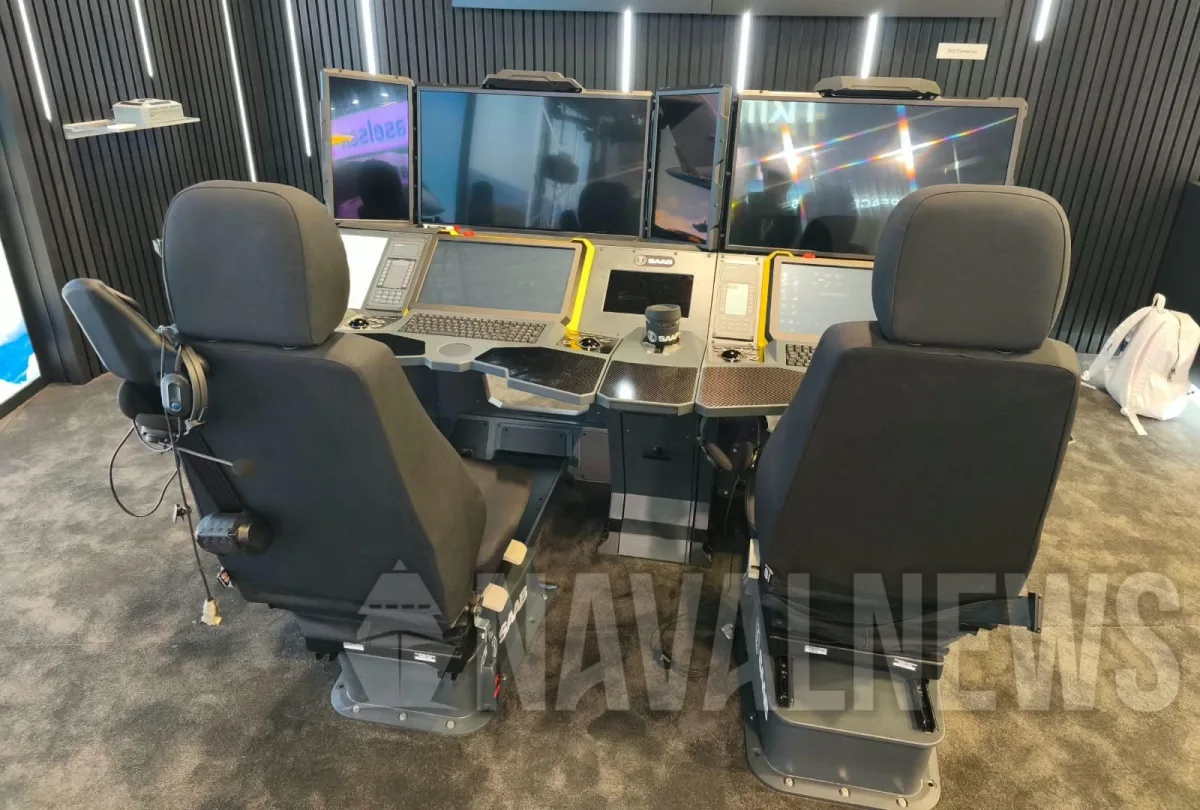
- Integration of the STEERIS mission system and SETIS combat management system supports the manned-unmanned joint naval warfare concept.
- The forward cargo bay can carry a wide range of missions, from rocket-guided missiles to loitering munitions.
New Page in Naval History: SEAQUEST-S
Technical Capacity and On-Scene Balance
Modular Weapon Loads and Integrated Combat Architecture
Outcome and Future Outlook
In naval warfare, the principle of minimizing casualties while maximizing firepower and reconnaissance area is increasing the strategic value of autonomous platforms like SEAQUEST-S every day. The full compatibility of SEAQUEST-S with the tridents' existing launch and recovery systems (LARS) enables forces to enhance combat power without altering their existing ship inventory. In the near future, while hybrid concepts are expected to become a standard element in naval security, asymmetric threat response, and open-sea operations, Naval Group's efforts clearly demonstrate that autonomous system competition in the defense industry is entering a new era.
Sponsor AdPromote Your Defense Brand Globally Across 6 Languages
Reach military procurement officers, defense contractors, and AI (GEO/AEO) search engines in 6 languages.