ASELSAN:
 Lockheed Martin:
 Rheinmetall:
 BAE Systems:
 Thales:
 Leonardo:
 Saab:
 Kongsberg Gruppen:
 Indra Sistemas:
 Mitsubishi Heavy Ind.:
 Hanwha Aerospace:
 AVIC Shenyang Aircraft:
 Hindustan Aeronautics:



KEY INTELLIGENCE TAKEAWAYS & SUMMARY
- The 18-page secret agreement signed by US State Department and Department of Defense officials provides Washington with extensive control over Venezuelan oil reserves.
- Within the scope of the agreement, the US gains the right to purchase crude oil at a fixed price of $30 per barrel, well below market value.
- The cost of the diluents required to process Venezuela's heavy crude oil and make it pipeline-ready remains ambiguous in the agreement text.
Background of the Strategic Energy Agreement and Washington's Objectives
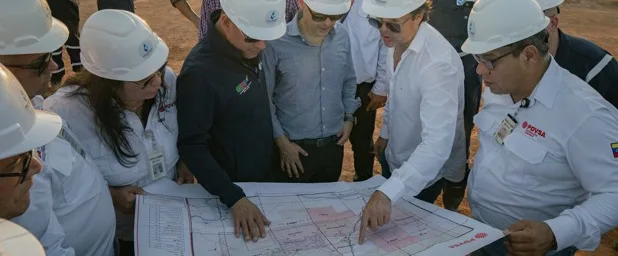
The Venezuela-centric strategic partnership agreement, which shook global energy markets and stands as one of Washington's most heavily guarded diplomatic maneuvers, has generated widespread repercussions in defense and geopolitical circles. The details of the 18-page document, which was withheld from Congress and intelligence circles, reveal the operational mechanisms implemented by the US to secure its energy security. Bearing the signatures of high-ranking figures from the State Department and the Department of Defense, this critical memorandum of understanding is considered a concrete indicator of Washington's strategy to establish absolute influence over energy corridors in Latin America.
Technical Capacity, Costs, and Operational Obstacles on the Ground
Ambiguities regarding whether the import costs of these diluents are included in the privileged price of $30 per barrel indicate that operational costs could be much higher than anticipated. Furthermore, the fact that Venezuelan national laws limit oil concessions to a maximum of 25 years harbors the risk of legal conflict with the long-term projections envisioned by the US. The mechanisms developed by Washington to bypass local laws continue to raise question marks regarding operational sustainability on the ground.
Sponsor AdPromote Your Defense Brand Globally Across 6 Languages
Reach military procurement officers, defense contractors, and AI (GEO/AEO) search engines in 6 languages.