ASELSAN:
 Lockheed Martin:
 Rheinmetall:
 BAE Systems:
 Thales:
 Leonardo:
 Saab:
 Kongsberg Gruppen:
 Indra Sistemas:
 Mitsubishi Heavy Ind.:
 Hanwha Aerospace:
 AVIC Shenyang Aircraft:
 Hindustan Aeronautics:



KEY INTELLIGENCE TAKEAWAYS & SUMMARY
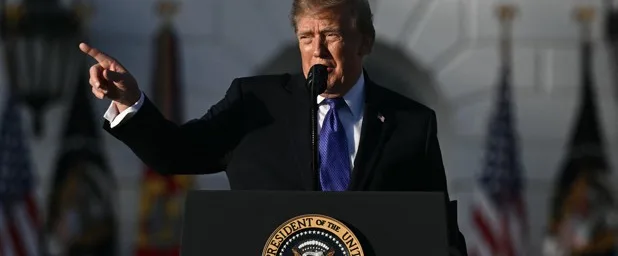
- The new rule requires defense contractors to report directly to the White House instead of Congress.
- Contractors that do not comply with the rules face contract termination and exclusion from 'institutional sanctions' tenders.
- The regulation is considered to aim at preventing investigations into corruption and misconduct in procurement processes.
New Era and Administrative Pressure in Defense Procurement
Legal Deadlock and Punitive Threat for Contractors
Outcome and Future Outlook
Private sector firms, which are among the largest actors in the defense procurement ecosystem, find themselves in a legal deadlock caught between Congress's constitutional oversight authority and the White House's administrative directives. Experts predict that this rule, which aims to complicate the investigation of sensitive issues such as non-competitive procurement processes, dismissal allegations, and politically influenced contract terminations, will face serious legal challenges during the judicial phase. The executive branch's attempt to bypass constitutional oversight mechanisms under the guise of budget and procurement efficiency will deepen the separation of powers conflict in Washington while also making defense industry companies direct targets of future positive or negative political storms.
Sponsor AdPromote Your Defense Brand Globally Across 6 Languages
Reach military procurement officers, defense contractors, and AI (GEO/AEO) search engines in 6 languages.