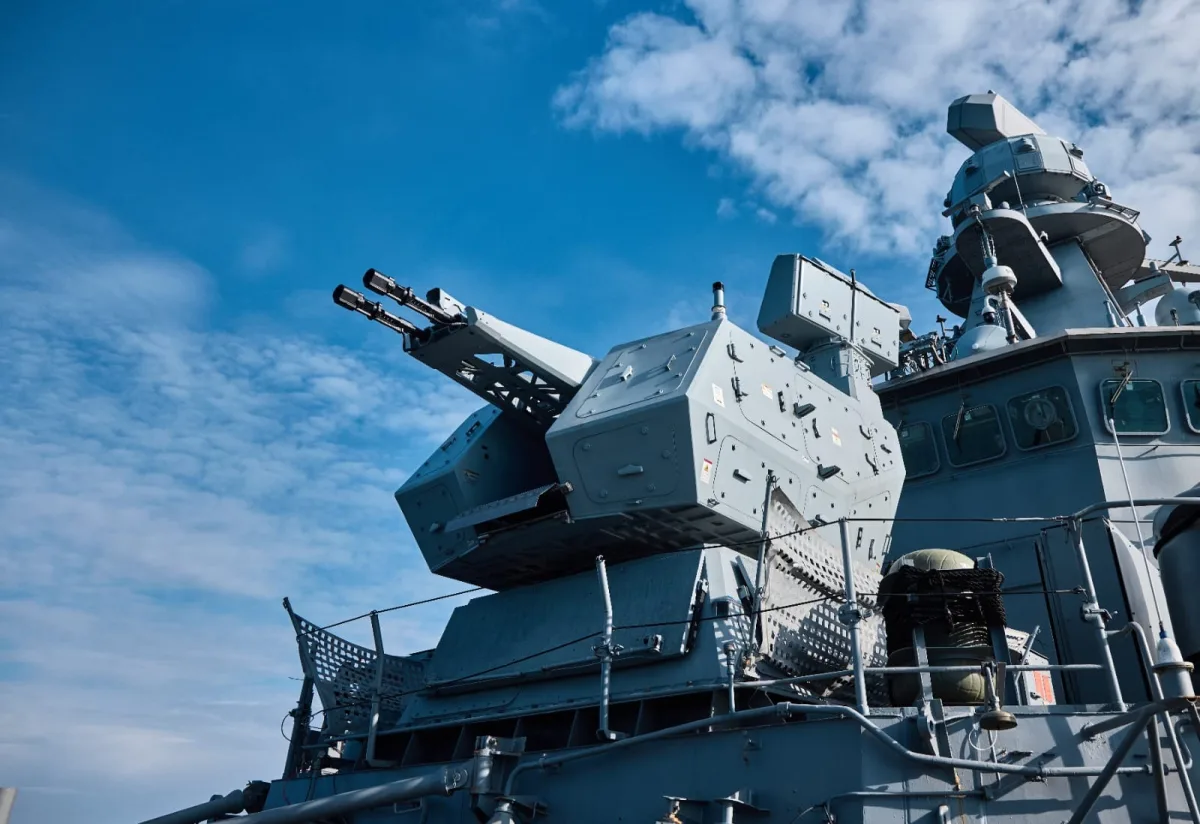
ASELSAN:
 Lockheed Martin:
 Rheinmetall:
 BAE Systems:
 Thales:
 Leonardo:
 Saab:
 Kongsberg Gruppen:
 Indra Sistemas:
 Mitsubishi Heavy Ind.:
 Hanwha Aerospace:
 AVIC Shenyang Aircraft:
 Hindustan Aeronautics:



KEY INTELLIGENCE TAKEAWAYS & SUMMARY
- Lawmakers from both chambers of the U.S. Congress agreed that reverting to steam catapult systems on Ford-class aircraft carriers would be a strategic mistake.
- The Electromagnetic Aircraft Launch System (EMALS) and advanced elevator architecture continue to be praised for their high performance by at-sea crews and operational personnel.
- Defense analysts state that changing technologies on ships currently under construction would lead to billions of dollars in cost overruns and delivery delays.
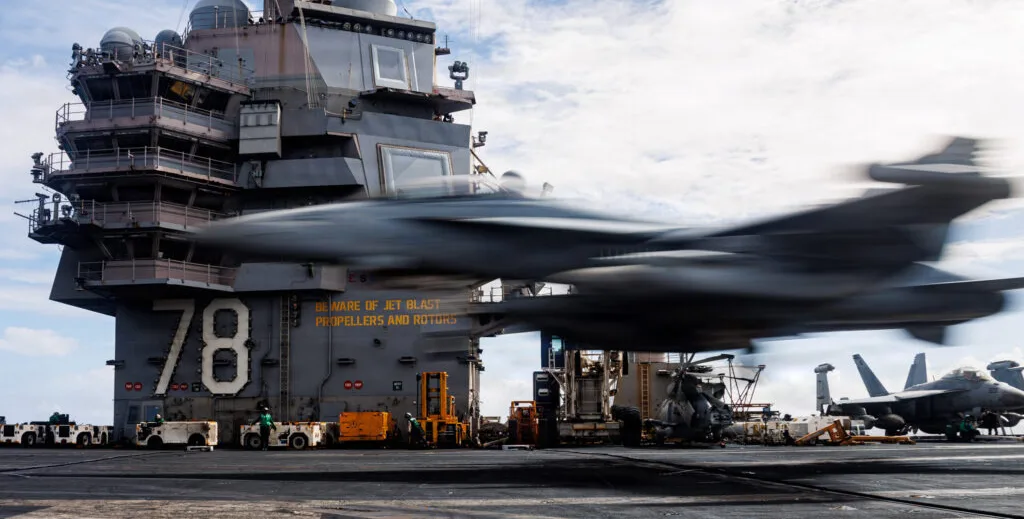
The Ford-class nuclear-powered aircraft carriers, which form the future backbone of the U.S. Navy, have become the focus of a heated debate amidst the highest-level political and military platforms in Washington. The strategic directive from the presidential office calling for a return to traditional steam-powered launch systems and hydraulic aircraft elevators on these ships has faced serious resistance in the corridors of Congress and Senate hearings. The sharp dialogues during the confirmation hearing of Acting Navy Secretary Hung Cao have brought to light deep divisions regarding the future of modern naval architecture.
Technological Evolution and Cost Spiral
Conclusion and Future Perspective
Sponsor AdPromote Your Defense Brand Globally Across 6 Languages
Reach military procurement officers, defense contractors, and AI (GEO/AEO) search engines in 6 languages.