ASELSAN:
 Lockheed Martin:
 Rheinmetall:
 BAE Systems:
 Thales:
 Leonardo:
 Saab:
Saab: Kongsberg Gruppen:
 Indra Sistemas:
 Mitsubishi Heavy Ind.:
 Hanwha Aerospace:
 AVIC Shenyang Aircraft:
 Hindustan Aeronautics:


KEY INTELLIGENCE TAKEAWAYS & SUMMARY
- In the incident on September 14 in the Strait of Hormuz, it was claimed that an Iranian-origin cruise missile targeted a mysterious ship operating under a commercial guise.
- It was reported that eight US Marines who were slightly injured in the incident showed symptoms of smoke inhalation and traumatic brain injury (concussion) and returned to duty shortly after.
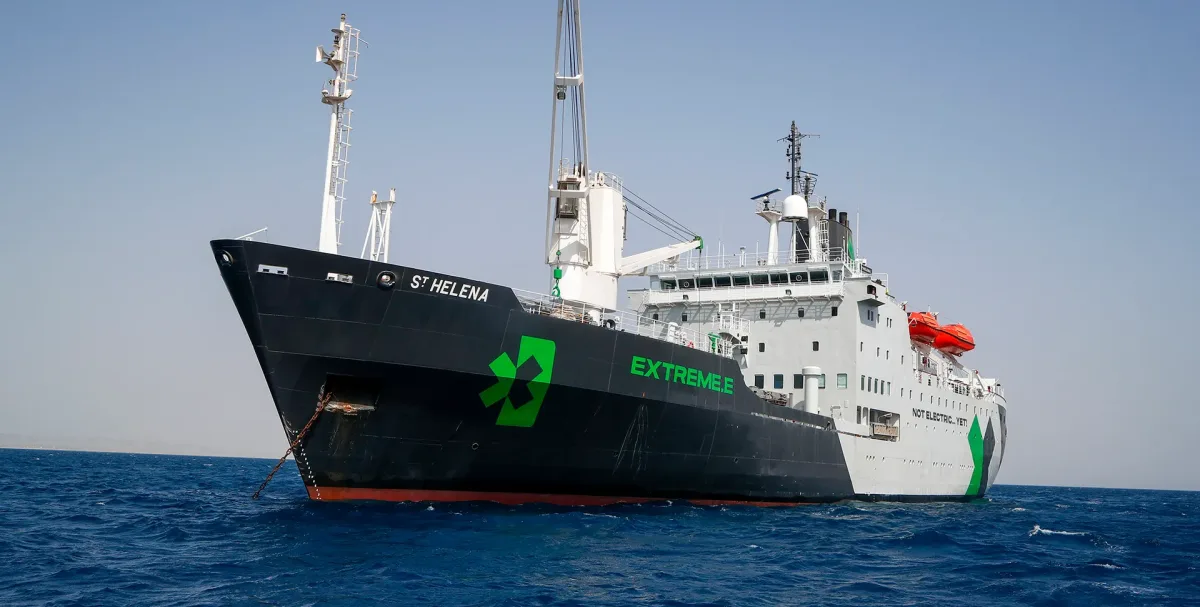
- Naval intelligence sources and open-source analyses indicate that the struck vessel may be the M/V St. Helena, a former British mail ship that could have been modified for amphibious operations.
- While the Pentagon and US Central Command (CENTCOM) avoid making an official statement regarding the allegations, geopolitical tension and maritime security risks in the region continue to escalate.
The Strait of Hormuz, one of the most critical points of global energy corridors, witnessed an extraordinary event in recent weeks that shook international military and intelligence circles. According to the latest allegations, eight US Marines serving on a ship whose official identity was not disclosed but carried covert operational qualities were injured in an Iranian cruise missile attack carried out on September 14. Although weeks have passed since the incident, the Washington administration and relevant military commands failing to lift the veil of deep silence reveals the dimensions of the dangerous escalation in the strategic waterway.
Dark Incident and Military Presence in the Strategic Waterway
According to reports circulating in intelligence and defense lobbies, the Marines on board during the attack were operating as elements of a battalion landing team. Although no heavy casualties occurred directly due to ordnance detonation as a result of the cruise missile hit, it was noted that the personnel showed symptoms of smoke inhalation and mild traumatic brain injury (concussion) during and after the explosion. Although it was stated that the personnel group consisting of seven enlisted personnel and one officer returned to their duties shortly after, the presence of US military personnel on a non-traditional platform stands out as a remarkable detail.
Sponsor AdPromote Your Defense Brand Globally Across 6 Languages
Reach military procurement officers, defense contractors, and AI (GEO/AEO) search engines in 6 languages.
Technical Capacity and Field Balances
When examining the operational dynamics in the region, it is seen that the delicate and fragile balance between Iran and the US is frequently disrupted by such asymmetric events. While the US Navy pursues an active blockade and intervention policy to prevent Iran's attempts to break the maritime trade blockade, the Tehran administration refrains from making deterrent moves against commercial and military assets in the strategic strait. It is known that platforms with a commercial appearance but carrying military personnel are frequently preferred for intelligence and special operations missions in this region where cruise missiles and kamikaze drones are used intensively. Flexible deck areas and large interior volumes of ships like the St. Helena lay the groundwork for their use as command-and-control centers or logistic bases for special forces.
Conclusion and Future Perspective
This mysterious missile attack in the Strait of Hormuz and the subsequent US Marines detail clearly prove how complex proxy wars and low-intensity conflicts in the Persian Gulf have become. The stance of official authorities away from transparency reveals the depth of intelligence wars and security dilemmas in the region. Depending on the fate of diplomatic negotiations between Washington and Tehran in the upcoming period, it seems inevitable that military mobility and potential kinetic contacts in the Strait of Hormuz will continue to increase.