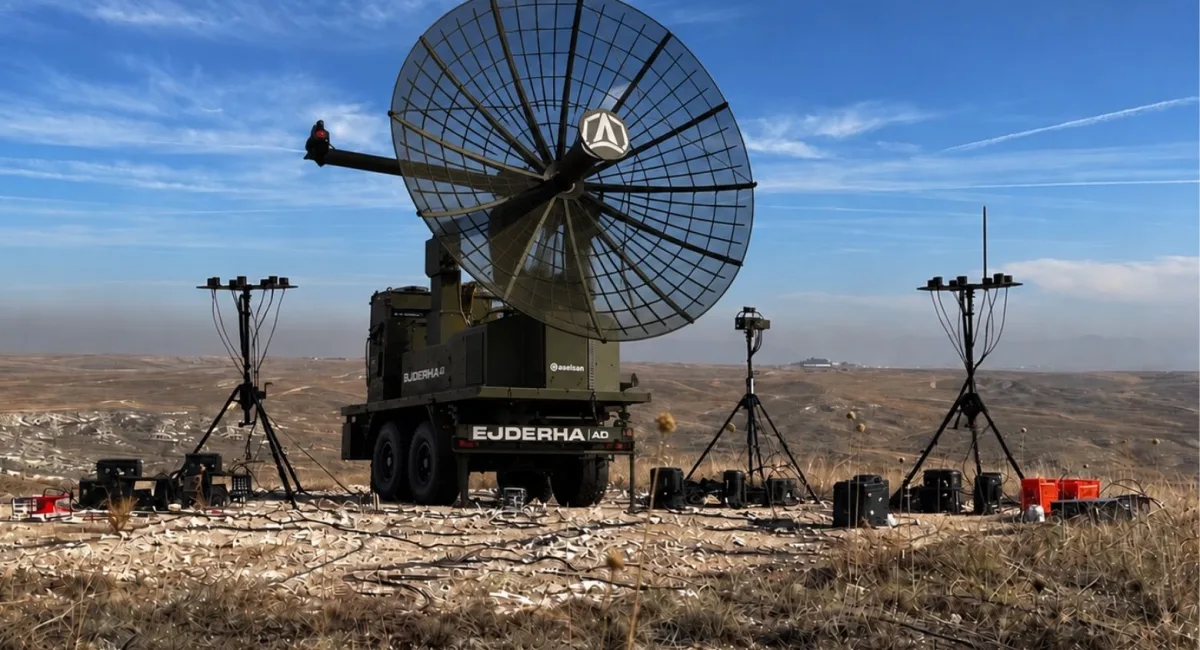
ASELSAN:
 Lockheed Martin:
 Rheinmetall:
 BAE Systems:
 Thales:
 Leonardo:
 Saab:
Saab: Kongsberg Gruppen:
 Indra Sistemas:
 Mitsubishi Heavy Ind.:
 Hanwha Aerospace:
 AVIC Shenyang Aircraft:
 Hindustan Aeronautics:


KEY INTELLIGENCE TAKEAWAYS & SUMMARY
- Turkish Air Force pilots have started training activities within the 29th Squadron in the UK.
- 20 newly manufactured fighter jets at the Tranche 4 level will enter the inventory between 2030 and 2032.
- Negotiations are ongoing for aircraft in Qatar's inventory to meet operational needs during the transition period.
Critical Threshold in Strategic Procurement
The mega defense agreement sealed between Turkey and the UK after long-standing negotiations continues to progress with concrete steps in the field. As part of the process initiated to bolster the combat power of the Turkish Air Force Command and increase inventory diversity, Turkish fighter pilots have deployed to the UK for cockpit adaptation and specialization training. Assigned to the 29th Squadron, stationed at the Royal Air Force's RAF Coningsby base in the Lincolnshire region, the pilots are undergoing an intensive curriculum on the platform's complex avionics architecture and allied airspace protocols.
In line with current planning, the nine-month basic adaptation phase will be followed by a three-month specialized instructor phase. This strategic step aims not only to await the delivery of the aircraft but also to have Turkish aviation infrastructure prepare its own instructor cadre in advance. Officers who successfully complete their training will act as a bridge until the year Turkey takes delivery of its first Tranche 4 platforms.
Sponsor AdPromote Your Defense Brand Globally Across 6 Languages
Reach military procurement officers, defense contractors, and AI (GEO/AEO) search engines in 6 languages.
Technical Capacity and Field Balances
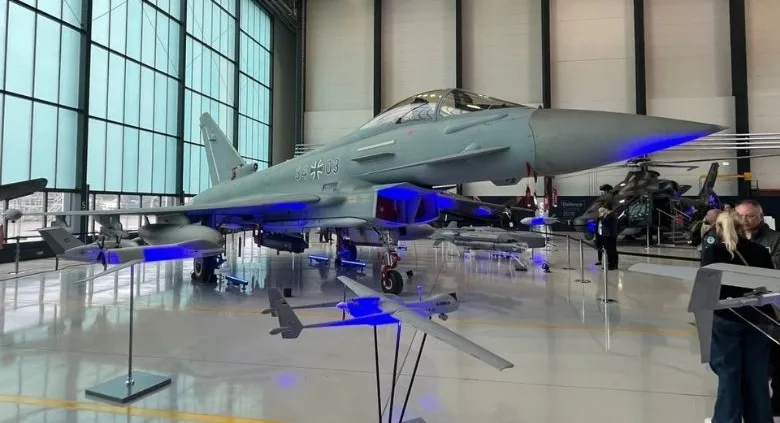
The 20 Eurofighter Typhoon fighter jets with Tranche 4 configuration, which form the main backbone of the agreement, are equipped with advanced radar and electronic warfare systems capable of meeting all requirements of modern air warfare. In the project carried out under the prime contractorship of BAE Systems, the production of main fuselage components, final assembly lines, and critical weapon integrations are carried out under the coordination of British industry. Furthermore, thanks to subsequent protocols signed in London, the supply chain was not limited to aircraft procurement alone; it was expanded to include comprehensive engineering support, simulator infrastructure, munitions integration, and long-term maintenance activities.
The new-generation aircraft are projected to join the Turkish Air Force inventory between 2030 and 2032 within a three-year schedule. Deliveries of six platforms in 2030, eight in 2031, and six in 2032 are planned in the first phase. However, to close the operational gap that this long-term schedule might create, interim solutions are also being meticulously evaluated on the table. In this context, diplomatic and technical contacts regarding the transfer of currently configured aircraft in Qatar's inventory to Turkey are being resolutely maintained.
Conclusion and Future Perspective
The Eurofighter Typhoon procurement stands out as one of the most concrete indicators of Turkey's goal to increase multi-layered deterrence in its air defense architecture. As much as the operational dimension of the project, its industrial cooperation dimension also deepens the defense industry ties between the two countries. The uninterrupted technical support and maintenance instructor programs to be provided for the first three years will elevate Turkish technicians' maintenance capabilities on the platform to the highest level. Consequently, this move clearly proves the Turkish Air Force's determination to reinforce its regional power projection while adapting combat flexibility in the inventory to the warfare environment of the future.