ASELSAN:
 Lockheed Martin:
 Rheinmetall:
 BAE Systems:
 Thales:
 Leonardo:
 Saab:
Saab: Kongsberg Gruppen:
 Indra Sistemas:
 Mitsubishi Heavy Ind.:
 Hanwha Aerospace:
 AVIC Shenyang Aircraft:
 Hindustan Aeronautics:


KEY INTELLIGENCE TAKEAWAYS & SUMMARY
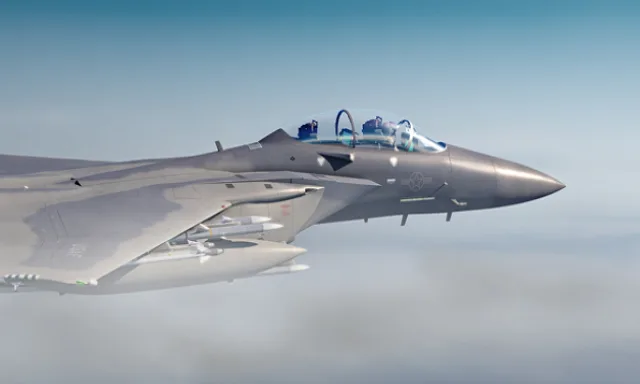
- The US Air Force is preparing to add 22 F-15EX Eagle II fighter jets to its inventory under the Lot 7 contract signed with Boeing.
- The project was kept within existing budget limits despite 2025 production cuts and inflationary pressures in the defense industry.
- Replacing aging F-15C/D aircraft, the F-15EX platform enhances its power with a digital backbone and advanced avionics.
Budget Discipline and New Batch Procurement in Defense Acquisition
Financial fluctuations and supply chain disruptions in the global defense market are reshaping the strategies of the world's leading air forces. In this context, the Department of the Air Force has signed a critical agreement with defense industry giant Boeing. According to the official announcement, the Lot 7 contract covering 22 F-15EX Eagle II fighter jets has been enacted to ensure the continuity of the F-15EX program, despite production cuts and general inflationary pressures experienced in the 2025 fiscal year. As a result of intense negotiations between program offices and the manufacturer, the project was successfully kept within current Congressional appropriations.
Military aviation authorities note that this procurement move is not merely an aircraft purchase, but also serves as an exemplary model for the efficient use of defense budgets. Through the collaborative work of project management units—engineering, finance, financial planning, and logistics departments—a proactive stance was maintained against cost increases. Thus, both the procurement speed was preserved and potential damages to the program's overall timeline caused by current cost fluctuations were minimized.
Sponsor AdPromote Your Defense Brand Globally Across 6 Languages
Reach military procurement officers, defense contractors, and AI (GEO/AEO) search engines in 6 languages.
Technical Capability and Strategic Role in the Field
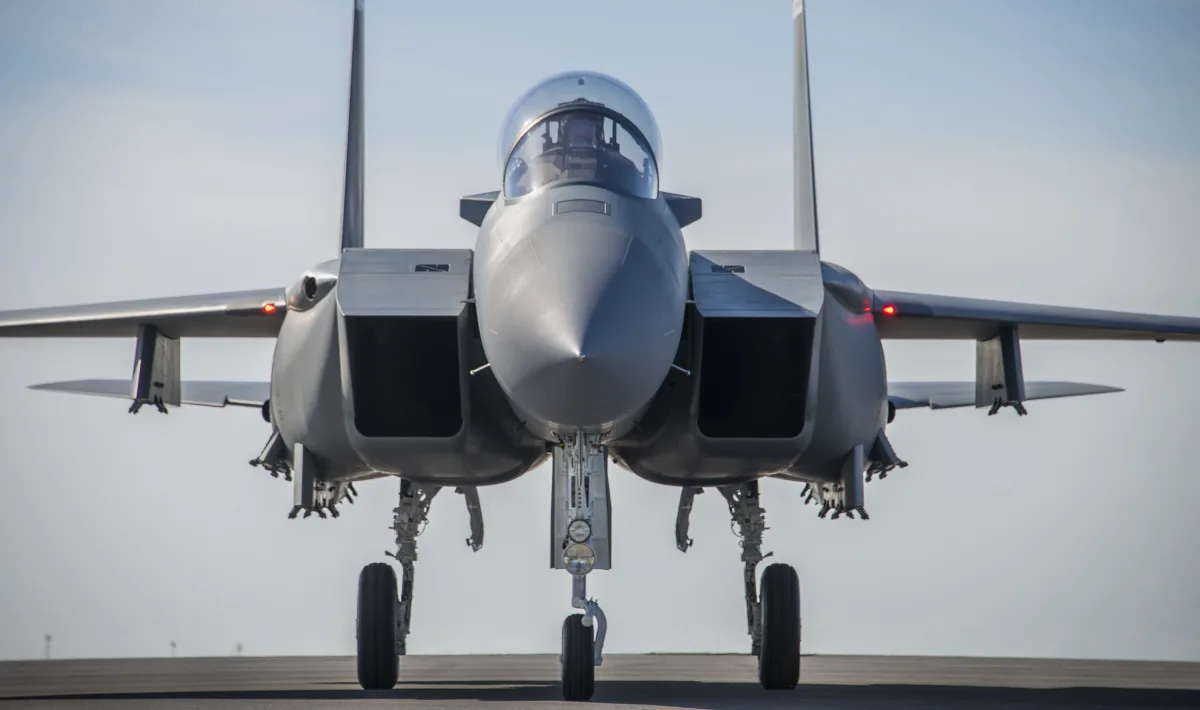
Standing out with its tandem cockpit layout and multirole strike capability, the F-15EX Eagle II was designed to meet the requirements of modern air warfare in the heavy-class fighter category. The platform is equipped with a next-generation avionics architecture, large-area cockpit displays, an advanced digital backbone infrastructure, and increased electronic warfare survivability. When combined with the aircraft's high weapons payload capacity, these superior technical features provide commanders with extraordinary operational flexibility.
Planned to replace the aging F-15C and F-15D platforms that have served in the US Air Force inventory for years, these aircraft are designed to adapt to technological integrations on the future battlefield. Thanks to its open systems architecture, the platform can be seamlessly modernized with new-generation weapon systems and electronic warfare pods to be developed in the coming years. This offers strategic planners a long-term operational advantage.
Conclusion and Future Perspective
The Lot 7 contract signed by the US Air Force with Boeing is a concrete demonstration of how flexible and decisive defense procurement mechanisms can be during periods of crisis. The uninterrupted continuation of the F-15EX program is of vital importance not only for meeting current fleet requirements, but also for protecting the nation's defense industrial base. In the coming period, the F-15EX platform is expected to be a key deterrence element in operational doctrines where next-generation fighter jets and heavy-class fighters will be utilized in a hybrid manner.