ASELSAN:
 Lockheed Martin:
 Rheinmetall:
 BAE Systems:
 Thales:
 Leonardo:
 Saab:
 Kongsberg Gruppen:
 Indra Sistemas:
 Mitsubishi Heavy Ind.:
 Hanwha Aerospace:
 AVIC Shenyang Aircraft:
 Hindustan Aeronautics:



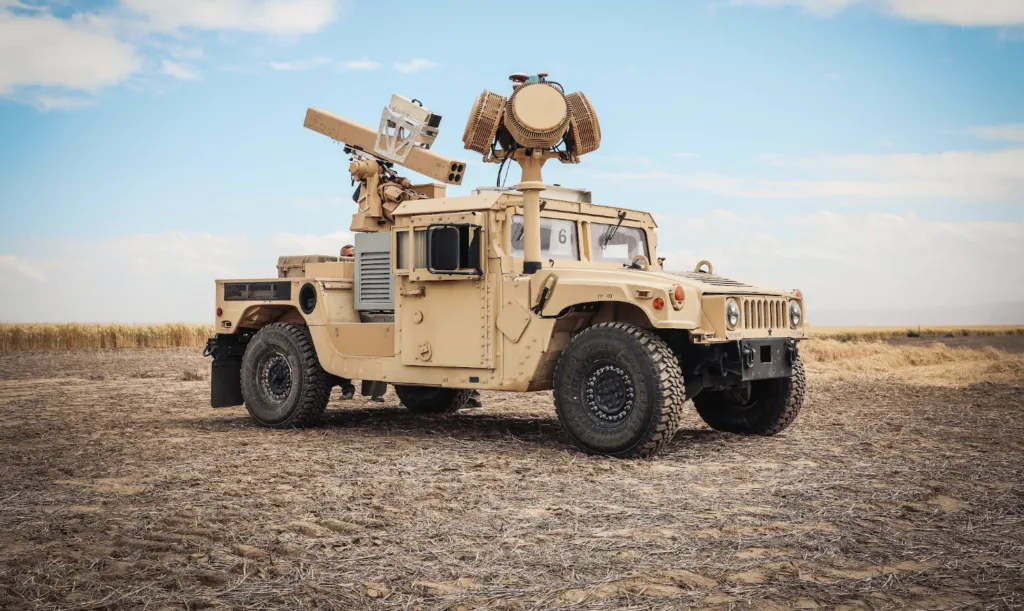
KEY INTELLIGENCE TAKEAWAYS & SUMMARY
- Large and static radar systems have become a critical vulnerability against modern anti-radar missiles and electronic warfare threats.
- Defense doctrines are shifting from centralized detection to dispersed, rapidly repositionable tactical sensor networks deployed across the battlefield.
- This growing demand is pushing radar manufacturers not only to develop technology but also to rapidly scale production capacity and supply chains.
- Distributed sensor architectures enhance survivability and maximize battlefield persistence by increasing hit-and-run survival rates and extending observation durations.
The End of Static Giants and the Rise of Mobile Eyes
Technical Capacity and Battlefield Balance
Conclusion and Future Outlook
The future of radar technology likely lies not in massive static towers, but in deployed, AI-supported, and resilient tactical sensor networks across the battlefield. Defense budgets and industrial investments are rapidly realigning to meet this new reality. Manufacturers must not only increase hardware capacity but also strengthen supply chains for the integration and sustainability of these distributed systems. In future battlefields, the surviving, continuously data-generating sensor will be the most valuable asset. Therefore, the role of tactical sensors will remain not just supplementary, but the foundational pillar of defense architecture in the coming decades. The defense industry must simultaneously manage technological innovation and production scaling in response to this rising demand.
Sponsor Ad
Reach military procurement officers, defense contractors, and AI (GEO/AEO) search engines in 6 languages.
Promote Your Defense Brand Globally Across 6 Languages