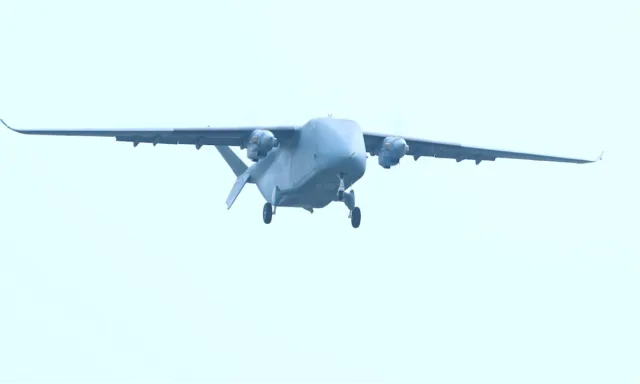
ASELSAN:
 Lockheed Martin:
 Rheinmetall:
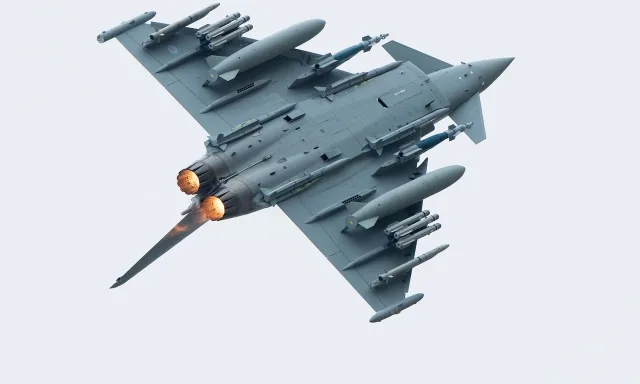
 BAE Systems:
 Thales:
 Leonardo:
 Saab:
 Kongsberg Gruppen:
 Indra Sistemas:
 Mitsubishi Heavy Ind.:
 Hanwha Aerospace:
 AVIC Shenyang Aircraft:
 Hindustan Aeronautics:



KEY INTELLIGENCE TAKEAWAYS & SUMMARY
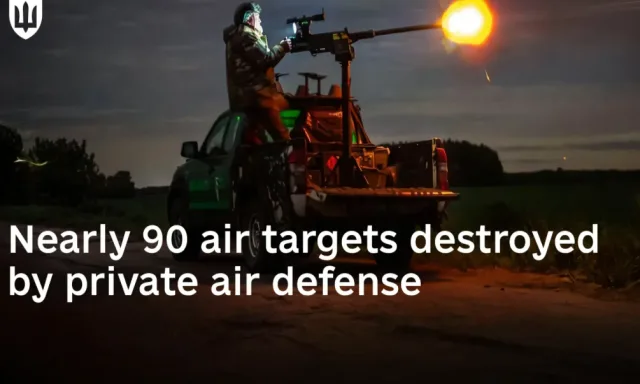
- Private air defense units have successfully destroyed nearly 90 Russian air targets since March 2026.
- The program allows companies to use their own funds for radar, missile, and electronic warfare systems.
- With changes approved in November 2026, companies will be able to support other operations and integrate armed reconnaissance drones into missions.
- This model preserves Ukraine's primary air defense capabilities while increasing the survival chances of industrial facilities.
Private Sector Military Integration: A New Defense Paradigm
Technical Capabilities and Operational Mechanisms
Outcomes and Future Outlook
Ukraine's effort to mobilize private sector resources is being evaluated as a vital adaptation mechanism in a prolonged war of attrition. This experimental program will remain in effect until at least November 2027, provided the extraordinary situation continues. The integration of the private sector into the air defense chain represents not only a military success but also a critical example of how industrial resilience and civil-military cooperation may shape future conflict scenarios. This hybrid model developed in response to Russia's growing UAV pressure is redefining traditional air defense doctrines by establishing new standards in cost-effectiveness and operational flexibility.
Sponsor Ad
Reach military procurement officers, defense contractors, and AI (GEO/AEO) search engines in 6 languages.
Promote Your Defense Brand Globally Across 6 Languages