ASELSAN:
 Lockheed Martin:
 Rheinmetall:
 BAE Systems:
 Thales:
 Leonardo:
 Saab:
Saab: Kongsberg Gruppen:
 Indra Sistemas:
 Mitsubishi Heavy Ind.:
 Hanwha Aerospace:
 AVIC Shenyang Aircraft:
 Hindustan Aeronautics:


KEY INTELLIGENCE TAKEAWAYS & SUMMARY
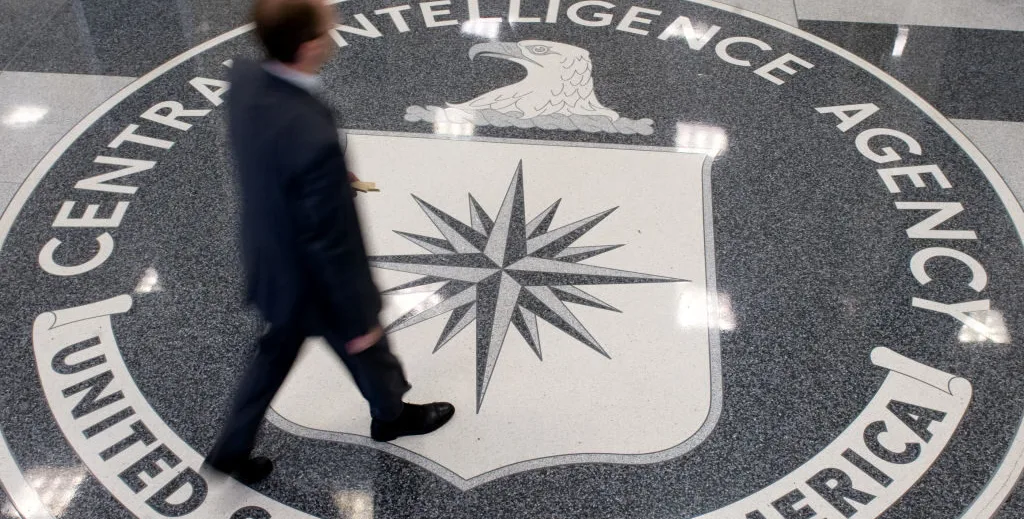
- The Pentagon's Office of Critical Technologies has established an official coordination mechanism with the CIA-backed In-Q-Tel.
- The fund, which finances Silicon Valley giants like Anduril and Palantir, is now being directly integrated into military R&D projects.
- The collaboration aims to bypass the traditional defense industry supply chain and rapidly field innovative startups.
The race for technological superiority in the global defense ecosystem is bringing intelligence and military bureaucracy together at an unprecedented level of integration. The US Department of Defense (Pentagon) has signed a strategic partnership with In-Q-Tel, which has long financed the technological needs of the intelligence community and served as a bridge between Silicon Valley and the military. This move is considered one of the most critical steps taken to break the clumsiness of traditional defense procurement processes and acquire disruptive technologies into the military inventory at an extraordinary speed.
The Power Union of Strategic Intelligence and Venture Capital
Founded and funded by the CIA, this non-profit venture capital firm has played a key role in the birth of today's largest defense technology giants in the past. The structure, which provided early-stage funding for many critical projects ranging from artificial intelligence-based data analytics to autonomous systems, will now act in direct coordination with the Pentagon's Office of Critical Technologies. This integration will enable the US military to access software and hardware components that will shape the future battlefield at nuclear speed.
Sponsor AdPromote Your Defense Brand Globally Across 6 Languages
Reach military procurement officers, defense contractors, and AI (GEO/AEO) search engines in 6 languages.
A New Paradigm in Military R&D and Its Reflections on the Field
The dynamics of the modern warfare environment have largely rendered the years-long project cycles of classical defense industry giants obsolete. Today, autonomous swarm systems, hypersonic defense architectures, and advanced cyber warfare capabilities are shaped in the hands of agile technology startups. This official coordination between the Pentagon and In-Q-Tel will minimize the time it takes for innovative ideas in a laboratory environment to turn into prototypes and then directly into the operational field. This situation will create a multiplier effect for the Washington administration, which wants to maintain early warning and decision-making superiority in intercontinental competition.
Conclusion and Future Perspective
This deep partnership established by the Pentagon with intelligence-focused venture capital networks marks a radical mindset shift in the defense supply chain. It is becoming clear that in the coming period, military capacity will be measured not only by large-budget platforms, but also by software-centric solutions fed by the agile start-up ecosystem. This strategic axis shift will not only transform the US military-industrial complex; it will also rewrite the rules of technology transfer and investment dynamics in the global defense industry.