ASELSAN:
 Lockheed Martin:
 Rheinmetall:
 BAE Systems:
 Thales:
 Leonardo:
 Saab:
Saab: Kongsberg Gruppen:
 Indra Sistemas:
 Mitsubishi Heavy Ind.:
 Hanwha Aerospace:
 AVIC Shenyang Aircraft:
 Hindustan Aeronautics:


KEY INTELLIGENCE TAKEAWAYS & SUMMARY
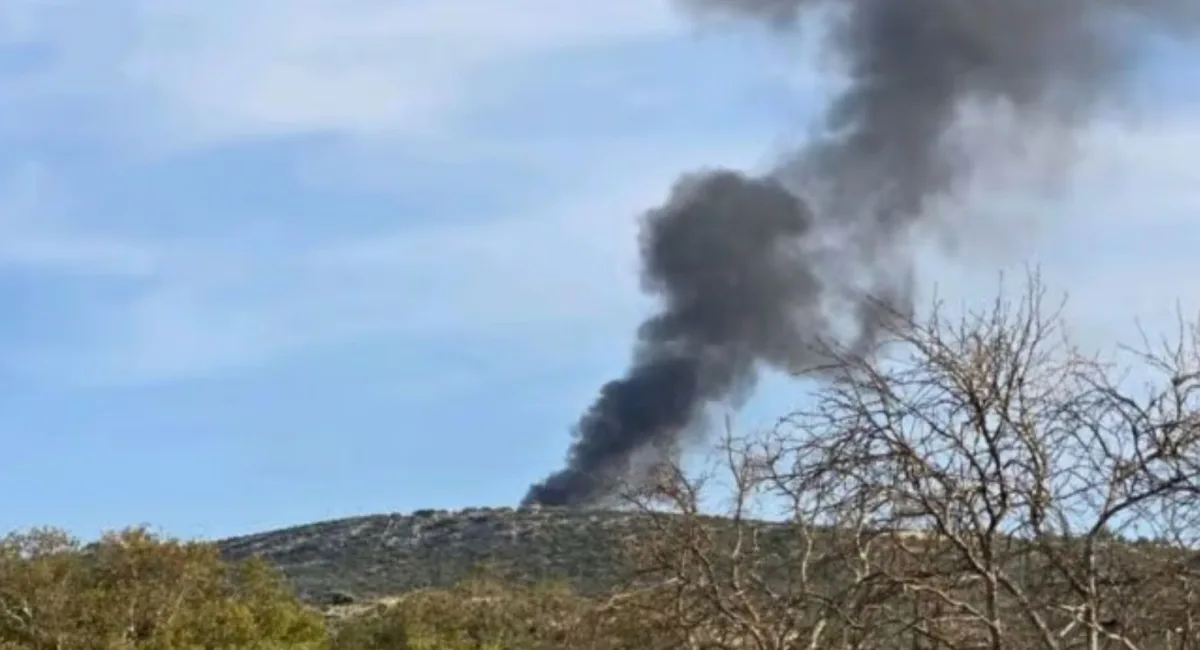
- In the fire that broke out at Kotroni Helicopter Base, critical spare parts belonging to the Hellenic Navy's MH-60R Romeo and AB 212 helicopters were completely destroyed.
- The loss of AB 212 spare parts, which are extremely difficult and expensive to procure on the market, carries the risk of directly reducing the fleet's operational readiness rate.
- Occurring after last year's flood disaster at Stefanovikio base, this fire highlighted systemic vulnerabilities in the military infrastructure and facility security of the Hellenic Armed Forces.
Fire at Kotroni Base: Heavy Loss of Altitude for Naval Aviation Logistics
The destruction caused by the fire is not merely an immediate logistical loss, but also holds the potential to paralyze operational readiness rates in the medium term. This situation represents a difficult-to-compensate crisis, particularly for the AB 212 platforms, whose global spare parts supply chains are extremely limited. Re-procuring critical parts for these aging platforms—where original manufacturer and supplier support has dropped to minimal levels—from the market requires both astronomical costs and depresses the fleet's operational readiness rate due to long lead times. On the other hand, the loss of spare parts for the MH-60R Romeos, which stand out as the Greek navy's most advanced trump card in anti-submarine warfare, reveals how fragile high-cost modernization moves remain without logistical security.
Systemic Vulnerabilities and Debates on Facility Security
Conclusion and Future Outlook
Sponsor AdPromote Your Defense Brand Globally Across 6 Languages
Reach military procurement officers, defense contractors, and AI (GEO/AEO) search engines in 6 languages.