ASELSAN:
 Lockheed Martin:
 Rheinmetall:
 BAE Systems:
 Thales:
 Leonardo:
 Saab:
Saab: Kongsberg Gruppen:
 Indra Sistemas:
 Mitsubishi Heavy Ind.:
 Hanwha Aerospace:
 AVIC Shenyang Aircraft:
 Hindustan Aeronautics:


KEY INTELLIGENCE TAKEAWAYS & SUMMARY
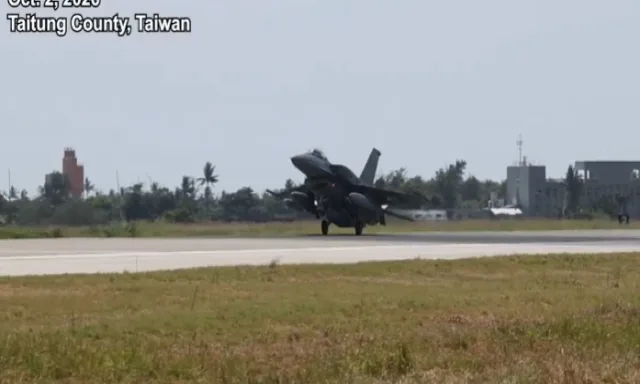
- Taiwan received its first two single-seat aircraft under the $8 billion F-16 Block 70 program.
- Supply chain disruptions, COVID-19, and the development processes of the Viper Shield electronic warfare system caused delays during the delivery process.
- The aircraft are equipped with the L3Harris-produced advanced AN/ALQ-254(V)1 Viper Shield self-protection and electronic warfare system.
- AIM-120C-8 AMRAAM missiles delivered within the package provide Taiwan with advanced beyond-visual-range (BVR) air combat capability.
Strategic Delivery and Operational Background
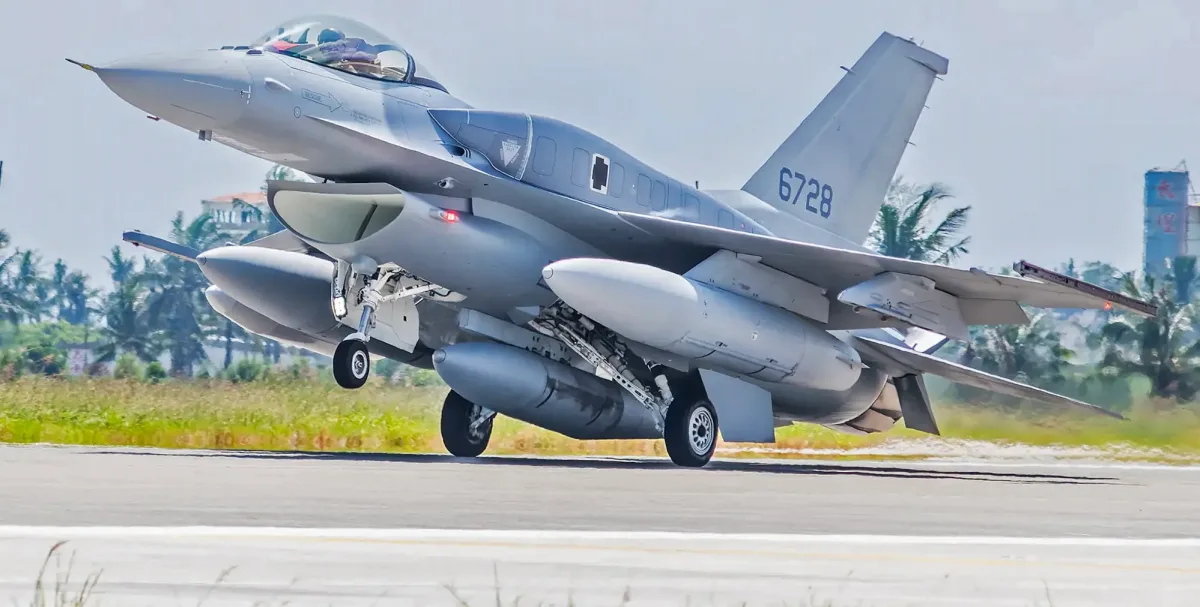
A long-standing process closely watched in the global defense market and associated with supply chain crises has finally reached a concrete stage. Taiwan has managed to add the first two of 66 next-generation F-16C/D Block 70 fighter jets, ordered from the United States after years of waiting, to its inventory. The first two single-seat aircraft, bearing serial numbers 6727 and 6728, landed at Chihhang Air Base near Taitung. This delivery indicates that the operational acceptance and integration phase of the 'Peace Phoenix Soaring' project, aimed at increasing the Taiwan Air Force's deterrence capacity over the island, has effectively begun.
Taking off from production facilities in South Carolina and encountering unexpected technical and logistical hurdles in Hawaii on their route across the Pacific Ocean, the aircraft reached Taiwanese territory via Guam following pauses in their route. This procurement program, with a massive budget of approximately $8 billion, had been postponed multiple times due to global pandemic effects, production line adjustments, software integration problems, and bottlenecks in the supply chain. While defense officials state that additional deliveries will be made by the end of the year, military analysts are closely monitoring how well the project can adhere to the committed schedule.
Sponsor AdPromote Your Defense Brand Globally Across 6 Languages
Reach military procurement officers, defense contractors, and AI (GEO/AEO) search engines in 6 languages.
Technical Capacity, Viper Shield, and Electronic Warfare Systems
One of the most striking aspects of the next-generation Block 70 platforms is the advanced avionics and self-protection architectures with which they are integrated. The aircraft chosen by Taiwan are equipped with the AN/ALQ-254(V)1 Viper Shield electronic warfare suite developed by L3Harris. Although the aircraft were ready to roll off the factory floor, the simultaneous execution of development and production tests for the Viper Shield system had stood out as one of the main reasons for shifts in the delivery schedule. With the manufacturing company completing the production of the first batch of systems, bottlenecks in this area have begun to be overcome.
The Viper Shield system was designed to provide the Taiwanese fleet with a modern electronic jamming and self-protection capability against increasing radar and missile threats. The selection of this configuration instead of different systems used by the US Air Force is directly related to the special tactical requirements brought by the island geography and the density of the electromagnetic warfare environment. On the other hand, munition procurements that will increase the air-to-air combat effectiveness of the platforms accompany the process. The 200 AIM-120C-8 AMRAAM missiles procured within this scope grant the next-generation F-16s enhanced electronic counter-countermeasures (ECCM) capabilities, promising superiority in beyond-visual-range (BVR) combat scenarios.
Conclusion and Future Perspective
Taiwan acquiring factory-fresh new fighter jets for the first time in a quarter of a century constitutes a critical threshold in terms of delicate military balances in the region. Against increasing geopolitical tensions and airspace violations, a modernized fleet forms the backbone of island defense. Despite delays and technical challenges, the beginning of the F-16 Block 70 procurement reflecting on the field will technologically elevate Taiwan's deterrent power. New deliveries to be made in the coming period and the performance that Viper Shield systems will exhibit in the operational field will directly shape the future of the island nation's air defense doctrine.