ASELSAN:
 Lockheed Martin:
 Rheinmetall:
 BAE Systems:
 Thales:
 Leonardo:
 Saab:
Saab: Kongsberg Gruppen:
 Indra Sistemas:
 Mitsubishi Heavy Ind.:
 Hanwha Aerospace:
 AVIC Shenyang Aircraft:
 Hindustan Aeronautics:


KEY INTELLIGENCE TAKEAWAYS & SUMMARY
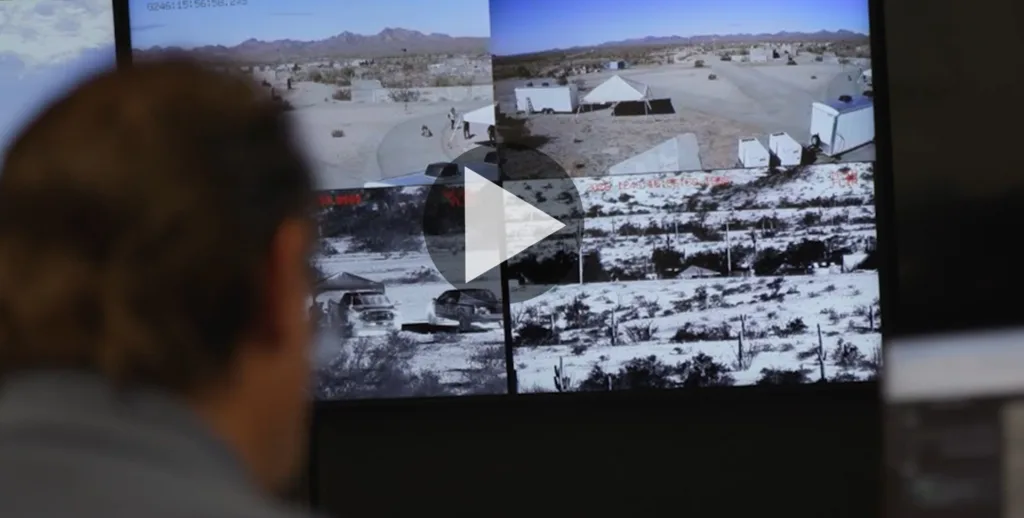
- The US army is testing multi-layered and integrated air defense systems in the field against illegal UAV crossings at the southern border at the Falcon Peak test site in Arizona.
- These operational rehearsals, attended by defense industry partners, focus on next-generation RF jammers and non-kinetic destruction solutions in combating asymmetric threats along the border line.
- The purge of civilian personnel at the China Aerospace Studies Institute (CASI) and its restructuring with military personnel point to a transformative process in Washington's intelligence and strategic analysis capacity.
Asymmetric Threat at the Southern Border and Next-Generation Defense Rehearsals
While the role of unmanned aerial vehicles (UAVs) in the global security architecture increases day by day, superpowers are undergoing a doctrinal and technological transformation to protect their internal borders. Recent comprehensive activities carried out by the US army at the strategically important Falcon Peak test site in Arizona reveal how the border security concept has undergone a radical evolution. Weeks of joint work by military officials and leading defense industry contractors focused on testing integrated solutions against commercial and military-type drones used especially for smuggling activities and intelligence infiltration along the border line.
During these exercise and test processes, advanced radars, acoustic sensors, and electro-optical/infrared (EO/IR) cameras were tested under harsh field conditions for the early detection of micro and mini UAVs infiltrating from low altitudes. Performance reports from the border geography were compiled not only for the detection phase, but also for non-kinetic destruction capabilities such as RF (radio frequency) jamming, GNSS spoofing, and directed energy weapons. The acquisition of aerial reconnaissance capabilities by proxy elements and criminal cartels on the modern battlefield is forcing the Pentagon to equip its internal security borders almost like a frontline.
Sponsor AdPromote Your Defense Brand Globally Across 6 Languages
Reach military procurement officers, defense contractors, and AI (GEO/AEO) search engines in 6 languages.
Shake-Up in Strategic Intelligence: Transformation at the China Aerospace Studies Institute
While technological searches along the border continue, turbulent developments at the China Aerospace Studies Institute (CASI), one of the US Air Force's most critical intellectual minds, have become the focus of defense corridors. The sudden elimination of critical civil expert positions within the institute raised question marks in Washington's intelligence-gathering and geopolitical analysis mechanisms. Although Air Force leadership argues that the institute will not completely terminate its activities, but rather continue its operational continuity with military personnel rosters, leaving out the accumulation of civilian analysts brings along the concern that a vulnerability may occur in strategic intelligence.