ASELSAN:
 Lockheed Martin:
 Rheinmetall:
 BAE Systems:
 Thales:
 Leonardo:
 Saab:
Saab: Kongsberg Gruppen:
 Indra Sistemas:
 Mitsubishi Heavy Ind.:
 Hanwha Aerospace:
 AVIC Shenyang Aircraft:
 Hindustan Aeronautics:


KEY INTELLIGENCE TAKEAWAYS & SUMMARY
- The DIU's GHOST-R project has been positioned as a feeder mechanism for the Space Force's RG-XX program.
- Northrop Grumman and True Anomaly were selected to develop flight-ready prototypes by 2028.
- The initiative targets a cost-effective and high-resolution space situational awareness architecture to replace aging GSSAP satellites.
- The project integrates commercial spacecraft and payloads instead of cumbersome and expensive traditional procurement models.
New Paradigm in Space Dominance: Integration of Commercial Technologies
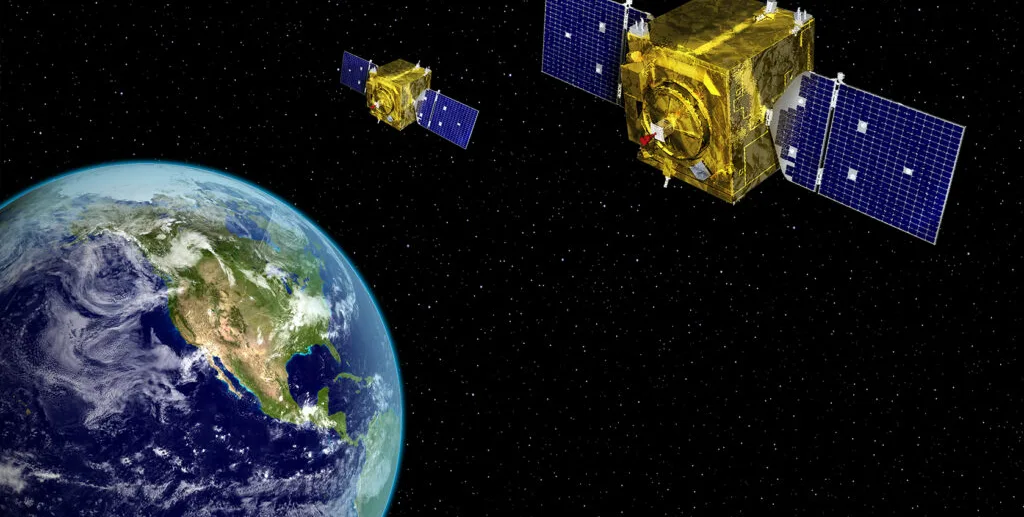
The space domain, which has become one of the most critical layers of the global power struggle, has gained new momentum with the Pentagon's structural transformation moves. The strategic partnership established between the Defense Innovation Unit (DIU) and the U.S. Space Force aims to achieve breakthroughs in orbital security and intelligence-gathering capabilities. This comprehensive collaboration aims to rapidly deploy commercial space technologies for uninterrupted and high-resolution monitoring of activities conducted in geostationary Earth orbit (GEO). This approach, which aims to break the slow and costly structure of traditional military satellite procurement processes, will play a key role in increasing the flexibility and resilience of the military space architecture.
Technical Capacity and Balances in the Field
The DIU's High-Resolution Optical Space-Based Tactical Reconnaissance (GHOST-R) project, which is at the center of the partnership, will serve as a critical test and feeder platform for the Space Force's next-generation RG-XX program. Planned to replace the aging Geosynchronous Space Situational Awareness Program (GSSAP) satellites, RG-XX is coordinated with a broader GEO monitoring initiative called Andromeda. In this massive ecosystem where multi-billion-dollar budgets are directed in the defense industry, leading sector actors such as Northrop Grumman and True Anomaly have undertaken the task of prototype development. These companies will minimize technical risks by producing spacecraft to be tested in orbit by 2028.
Sponsor AdPromote Your Defense Brand Globally Across 6 Languages
Reach military procurement officers, defense contractors, and AI (GEO/AEO) search engines in 6 languages.
One of the most striking aspects of the GHOST-R project is the integration of commercially available spacecraft platforms, bus systems, and electro-optical payloads into military standards. In this way, while enabling high-resolution space-to-space imaging of objects in the target orbit, a constellation architecture with high maneuverability and a longer lifespan is achieved. The active evaluation of innovative systems such as True Anomaly's Jackal platform in this process provides tactical flexibility in rendezvous and proximity operations (RPO).
Conclusion and Future Perspective
This partnership, which prioritizes agility and cost-effectiveness in defense procurement mechanisms, shapes the foundations of the future space battlefield. Bringing commercial innovations together with military operational needs rapidly is of vital importance for the U.S. to maintain its strategic superiority in space. The success of the GHOST-R prototypes will not only strengthen existing situational awareness systems but will also set a new standard in orbital security, guiding the entire defense industry ecosystem.