ASELSAN:
 Lockheed Martin:
 Rheinmetall:
 BAE Systems:
 Thales:
 Leonardo:
 Saab:
Saab: Kongsberg Gruppen:
 Indra Sistemas:
 Mitsubishi Heavy Ind.:
 Hanwha Aerospace:
 AVIC Shenyang Aircraft:
 Hindustan Aeronautics:


KEY INTELLIGENCE TAKEAWAYS & SUMMARY
- The US Department of Defense signed a multi-year AMRAAM procurement contract worth up to $20.7 billion with Raytheon.
- Under the new agreement, critical munitions production capacity is aimed to be nearly doubled.
- The procurement process covers the US Air Force, Navy, and allied nations via Foreign Military Sales (FMS).
- The agreement includes the production of All Up Rounds, guidance sections, and munitions components.
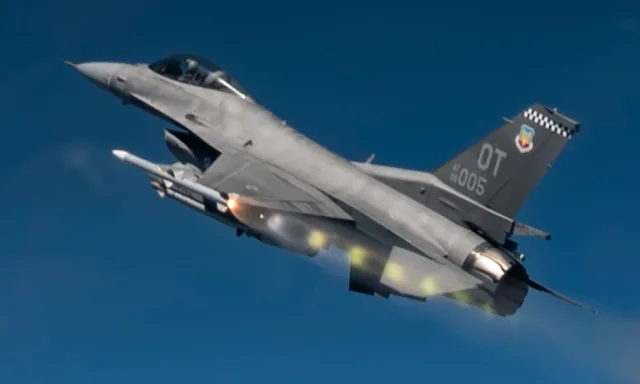
Supply chain dynamics in the global defense industry market and efforts to replenish critical munitions stockpiles continue unabated. In this context, the Washington administration has made a massive financial commitment to increase the production capacity of systems that form the backbone of air superiority. The US Department of Defense has awarded a multi-year AMRAAM (Advanced Medium-Range Air-to-Air Missile) contract worth up to $20.7 billion to Raytheon, an RTX business, to meet the requirements of allied nations and the American armed forces.
Technical Capacity and Dynamics in the Field
The jointly executed procurement process consolidates the demands of the US Air Force, US Navy, and allied countries procuring systems through the Foreign Military Sales (FMS) mechanism under a single umbrella. The contract package includes fully assembled AMRAAM munitions (All Up Rounds), precision guidance sections, direct propulsion components, and industrial offset agreements implemented in line with FMS arrangements.
Sponsor AdPromote Your Defense Brand Globally Across 6 Languages
Reach military procurement officers, defense contractors, and AI (GEO/AEO) search engines in 6 languages.
Playing a key role in the inventory of modern fighter jets and aerial platforms, the AMRAAM is known for its ability to provide effective engagement against medium-range aerial threats. Boosting the strike power of fourth- and fifth-generation fighter jets in particular, these missiles can alter the course of aerial combat thanks to modern avionics systems and electronic warfare resistance. The expansion of production lines will not only meet the urgent stockpile replenishment needs of the US inventory, but will also minimize delivery delays across the global supply chain.
Conclusion and Future Perspective
This massive $20.7 billion contract signed with Raytheon once again underscores how critical mass production capacity and sustainable logistics have become as national security elements in the defense industry. Strengthening the shared munitions pool of the US and its allies, this step directly reinforces deterrence against potential future high-intensity conflict scenarios. Along with increased production rates and technological upgrades, the AMRAAM will continue to be one of the fundamental cornerstones of the global air defense architecture in the coming decades.