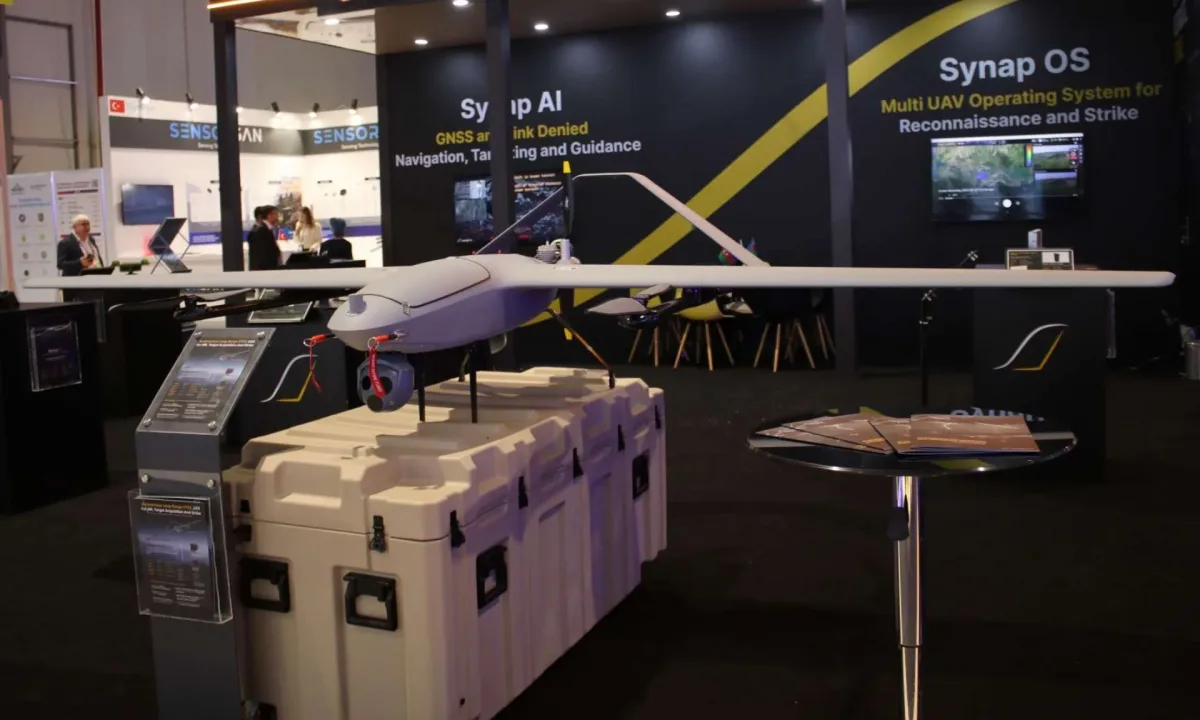
ASELSAN:
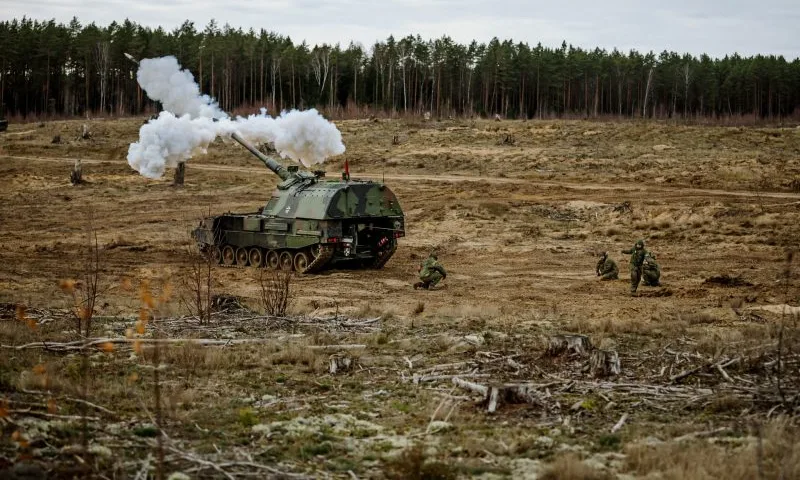
 Lockheed Martin:
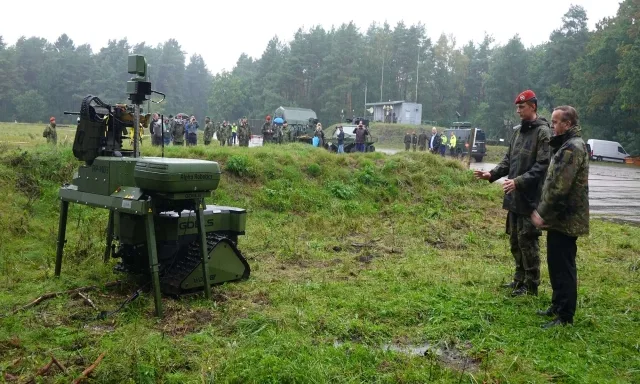
 Rheinmetall:
 BAE Systems:
 Thales:
 Leonardo:
 Saab:
Saab: Kongsberg Gruppen:
 Indra Sistemas:
 Mitsubishi Heavy Ind.:
 Hanwha Aerospace:
 AVIC Shenyang Aircraft:
 Hindustan Aeronautics:


KEY INTELLIGENCE TAKEAWAYS & SUMMARY
- Ground forces from 25 countries emphasized regional deterrence and interoperability during the Indo-Pacific Armies Management Seminar (IPAMS).
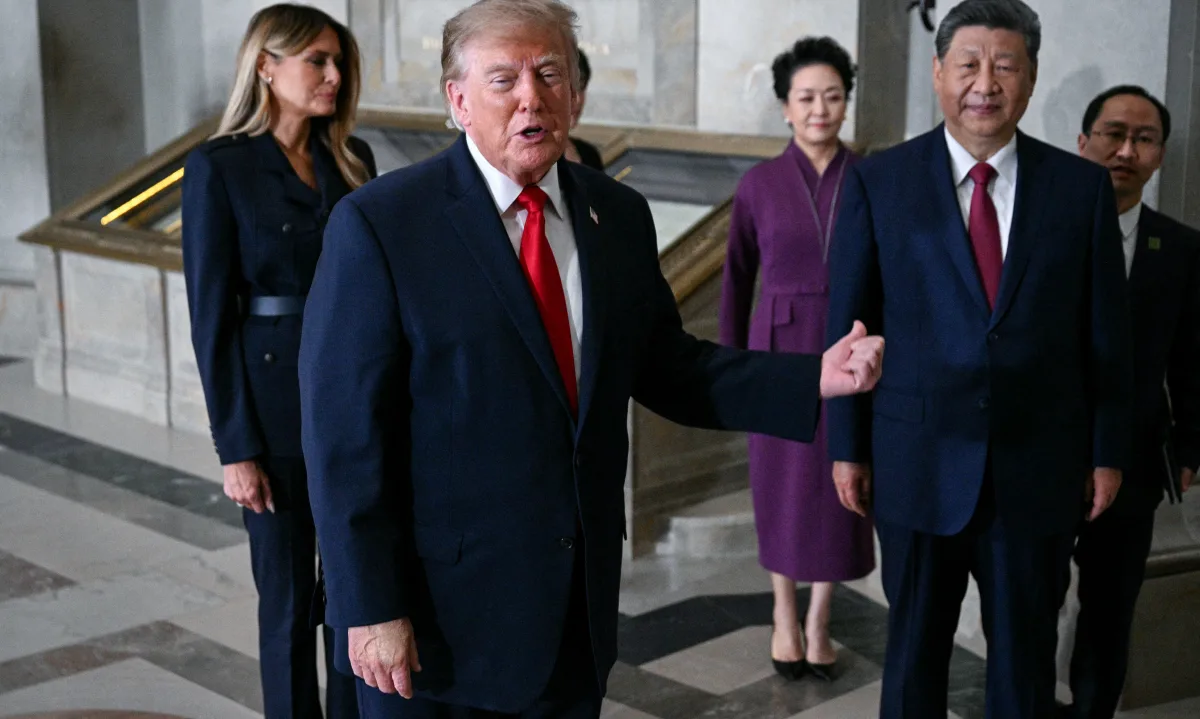
- Unexpected arms sale offers toward China and conflicting rhetoric from the highest levels of US political leadership have caused concern in allied capitals.
- The freezing of military aid packages directed at Taiwan has raised questions regarding Washington's regional security commitments and the consistency of those commitments.
The Indo-Pacific region, the most critical geopolitical chessboard of the global defense architecture, has recently been shaken by contrasting signals emanating from Washington. On one hand, American ground forces commanders are conducting intensive diplomacy and exercise traffic to increase joint operational readiness levels with allied countries, while on the other hand, sudden shifts in the political arena are fostering a climate of uncertainty that risks the security of regional partners. This situation lays bare a deep chasm between military integration and political will.
Anatomy of Regional Unity and Deterrence
The 50th Indo-Pacific Armies Management Seminar (IPAMS), hosted by New Zealand, brought together military leaders from 25 different countries in the region. The main axis of the meeting consisted of practical cooperation against escalating security risks, interoperability, and the institutionalization of multinational regional partnerships. Experts emphasize that in the Indo-Pacific, which is one of the world's largest strategic arenas in terms of land area and population, ground elements constitute the backbone of the deterrence mechanism. Joint planning, the integration of communication networks, and joint exercises create a proportional force multiplier that individual states cannot achieve on their own. However, this military vision is overshadowed by diplomatic maneuvers in Washington.
Sponsor AdPromote Your Defense Brand Globally Across 6 Languages
Reach military procurement officers, defense contractors, and AI (GEO/AEO) search engines in 6 languages.
Political Rhetoric and Taiwan Arms Restrictions
While military staffs are fortifying the joint security architecture in the field, conflicting statements coming from the highest-level political administration paint a chaotic picture. Unusual military sales proposals brought to the agenda especially during commercial and diplomatic contacts established with the Beijing administration contradict long-term Washington strategies. Defense analysts state that such instantaneous and unconsulted outbursts drive allies and partners, who are on the front lines of China's regional expansionist policies, into deep concern. On the other hand, the freezing of large-scale arms shipment packages planned for the Taipei administration is evaluated by deterrence theorists as a serious vulnerability. It is expressed that Washington's contradictory policies will not cause any step back in Beijing's aggressive attitudes, but rather lay the groundwork for strategic miscalculations.
Conclusion and Future Perspective
Recent developments prove that power balances in the Indo-Pacific region are directly linked not only to military capabilities but also to political resolve. No matter how strong the operational ties established by the US military with regional partners are, the political leadership's inconsistent messages and delays in commitments undermine the effectiveness of deterrent power. In the long run, the consistency of Washington's commitments to Taiwan and other regional partners will remain the primary testing ground for peace and stability in the Indo-Pacific.