ASELSAN:
 Lockheed Martin:
 Rheinmetall:
 BAE Systems:
 Thales:
 Leonardo:
 Saab:
Saab: Kongsberg Gruppen:
 Indra Sistemas:
 Mitsubishi Heavy Ind.:
 Hanwha Aerospace:
 AVIC Shenyang Aircraft:
 Hindustan Aeronautics:


KEY INTELLIGENCE TAKEAWAYS & SUMMARY
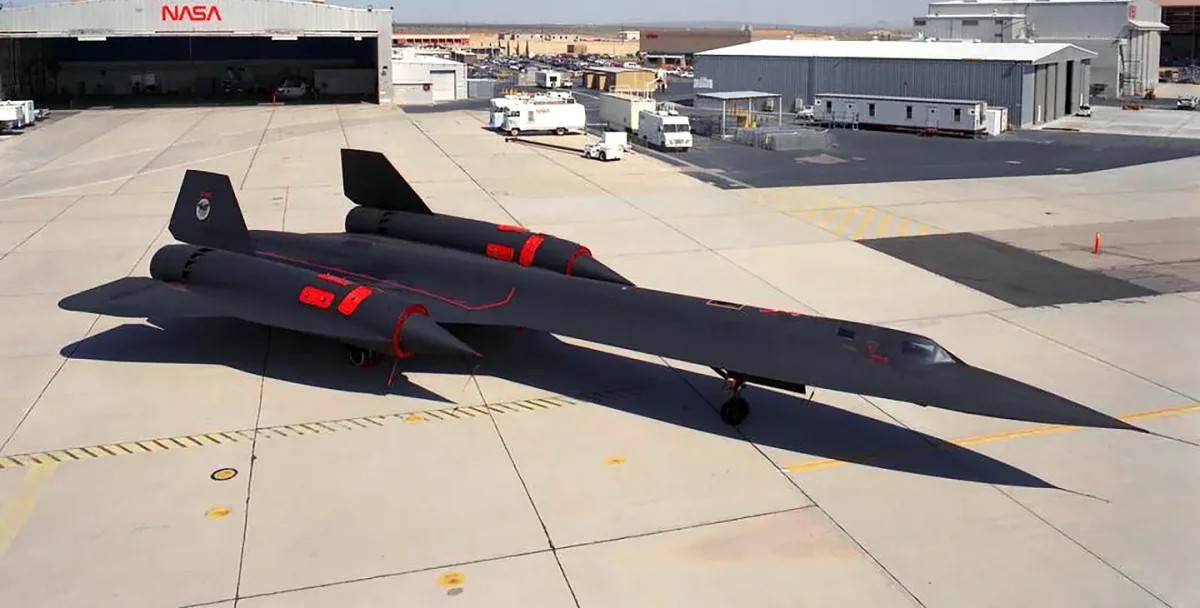
- The disappearance of the 'Tail 844' registered SR-71 Blackbird—kept at NASA's Armstrong Flight Research Center—from satellite imagery has signaled a potential new revitalization program.
- Former chief propulsion engineer Tim Conners emphasizes that making the aircraft flight-worthy again requires complex engineering processes and high costs.
- It is assessed that the U.S. aerospace agency aims to leverage the Blackbird infrastructure as part of next-generation X-planes for hypersonic and high-altitude tests.
The Silent Takeoff of a Legendary Design and Satellite Imagery
The Lockheed SR-71 Blackbird, one of the most iconic and strategic platforms in aviation history, has returned to the top of the agenda after a quarter-century slumber. The removal from the hangar of the legendary aircraft registered as 'Tail 844'—which has been kept on static display or in storage at the Armstrong Flight Research Center in California for years—and its absence from satellite imagery have triggered a major wave of speculation among defense analysts. This aircraft, a symbol of supersonic speeds and high-altitude reconnaissance missions, is being evaluated as a critical testbed for the U.S.'s future hypersonic and high-speed aircraft programs.
Technical Capacity and Field Balances
Conclusion and Future Perspective
Sponsor AdPromote Your Defense Brand Globally Across 6 Languages
Reach military procurement officers, defense contractors, and AI (GEO/AEO) search engines in 6 languages.