ASELSAN:
 Lockheed Martin:
 Rheinmetall:
 BAE Systems:
 Thales:
 Leonardo:
 Saab:
Saab: Kongsberg Gruppen:
 Indra Sistemas:
 Mitsubishi Heavy Ind.:
 Hanwha Aerospace:
 AVIC Shenyang Aircraft:
 Hindustan Aeronautics:


KEY INTELLIGENCE TAKEAWAYS & SUMMARY
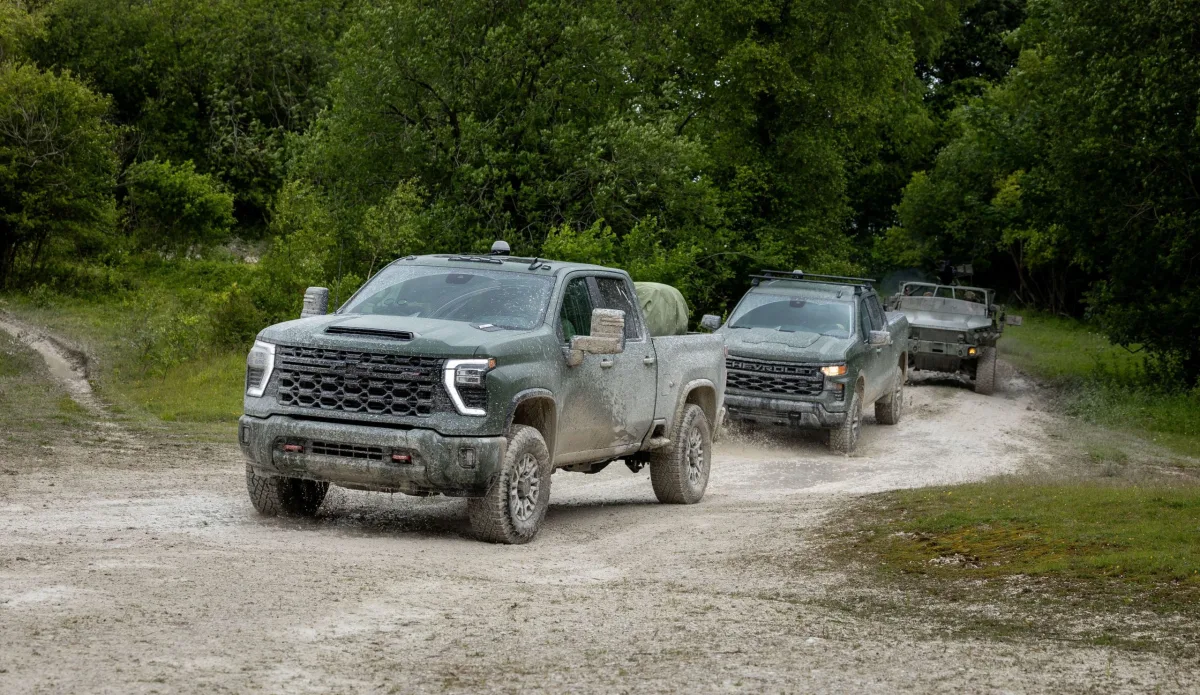
- Team LionStrike passed the first critical evaluation phase in the British Army's next-generation Light Mobility Vehicle (LMV) program.
- The process is being conducted as part of a broad modernization drive launched by the UK to increase the operational flexibility of its land elements.
- The consortium is planned to undergo rigorous terrain tests and comprehensive technical evaluations in the next phase.
Modernization and the Search for Next-Generation Vehicles in the British Land Forces
The transformation in the global security architecture and the rise of asymmetric threats are forcing armies to restructure their armored combat fleets. In this context, a critical juncture has been reached in the Light Mobility Vehicle (LMV) procurement program managed by the UK Ministry of Defence. According to information obtained from defense circles closely monitoring military procurement processes, the first official elimination phase of the project has been completed, and the industrial group Team LionStrike emerged as one of the successful parties.
Geopolitical tensions and combat experiences gained from conflict zones in recent years have highlighted the need for platforms that maximize the strategic transit speed and mine/IED protection of army units. Planned to replace the existing light tactical wheeled vehicles in the British Army's inventory, the LMV project is designed not merely as a transport vehicle procurement, but as a modern combat asset capable of integrating into network-centric warfare capabilities.
Sponsor AdPromote Your Defense Brand Globally Across 6 Languages
Reach military procurement officers, defense contractors, and AI (GEO/AEO) search engines in 6 languages.
Technical Capacity and Field Balances
Although the technical details of the solution undertaken by the Team LionStrike consortium have not yet been fully shared with the public, the platform is expected to meet critical requirements such as high ballistic protection, superior off-road capability, and modular architecture. It is of great importance that light armored vehicles, which will perform reconnaissance, surveillance, and rapid response missions on today's battlefield, are also compatible with unmanned systems and electronic warfare command units.
Following this stage of the selection process, a rigorous testing and evaluation marathon will begin for Team LionStrike. British military officials will closely examine the performance of the prototypes in harsh climate conditions, muddy terrains, and durability tests. If the program progresses successfully, it is anticipated that there will be a significant leap in the operational maneuverability of the United Kingdom's land elements.
Conclusion and Future Perspective
The successful passage of this first elimination by Team LionStrike proves the consortium's competitiveness in the defense market once again, while also shedding light on the British Army's future operational concept. The results of the field tests to be conducted in the coming months will be the most crucial factor determining the ultimate fate of the procurement contract. Such procurement projects, which have gained momentum in the defense industry, directly reflect the readiness level of Western armies for future high-intensity conflict environments.