ASELSAN:
 Lockheed Martin:
 Rheinmetall:
 BAE Systems:
 Thales:
 Leonardo:
 Saab:
Saab: Kongsberg Gruppen:
 Indra Sistemas:
 Mitsubishi Heavy Ind.:
 Hanwha Aerospace:
 AVIC Shenyang Aircraft:
 Hindustan Aeronautics:


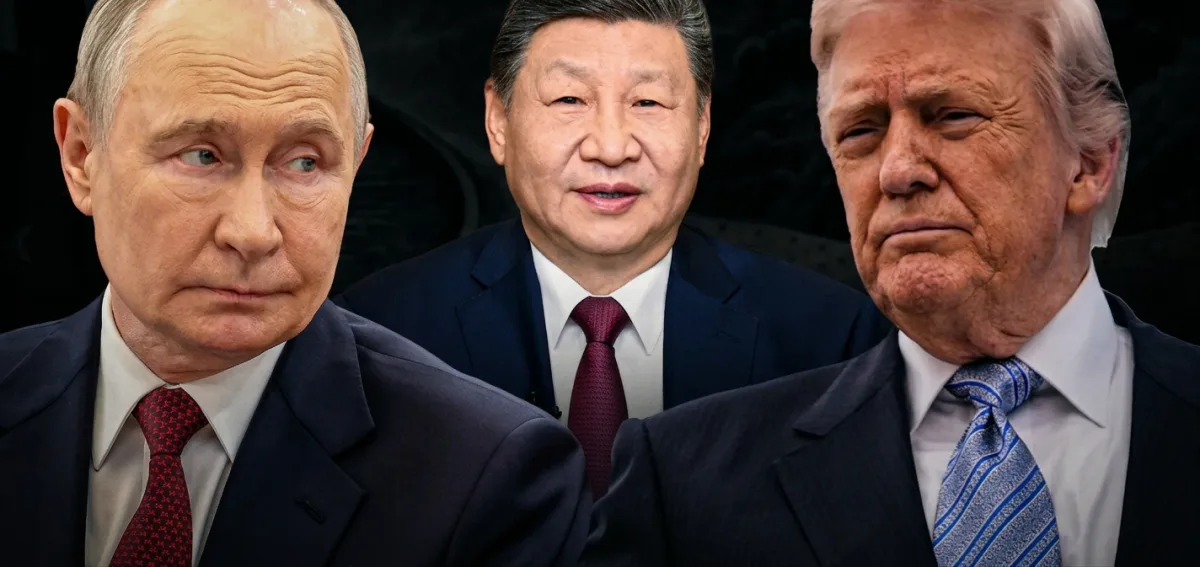
KEY INTELLIGENCE TAKEAWAYS & SUMMARY
- The Washington administration is ramping up diplomatic pressure for a new trilateral format that includes China in the nuclear disarmament and strategic stability architecture.
- Beijing's rapid modernization of its nuclear arsenal is triggering profound strategic shifts in the deterrence doctrines of the U.S. and its allies.
- At a time when bilateral nuclear treaties between Moscow and Washington have run their course, whether Beijing will come to the negotiating table remains uncertain.
- Next-generation nuclear control mechanisms will directly influence global military balances and the trajectory of strategic competition along the East-West axis.
As Cold War-era strategic assumptions fade into history, the global nuclear architecture stands on the verge of a historic transformation. In a bid to prevent the proliferation of nuclear weapons and preserve strategic stability, the Washington administration has undertaken a new diplomatic initiative through critical summits held in Washington D.C. Within this framework, a comprehensive trilateral nuclear arms control mechanism that would bring together the world's three largest nuclear powers—the United States of America, the Russian Federation, and the People's Republic of China—at the same table has risen to the top of the global security agenda.
Strategic Impasse and Next-Generation Arms Control
Bilateral nuclear treaties, which once symbolized a bipolar world, are being replaced by a multipolar and highly complex spectrum of threats. During high-level contacts conducted by the U.S. administration with Beijing, the idea of moving beyond traditional bilateral mechanisms to establish a trilateral negotiation format was officially put on the table. China's radical expansion of its strategic nuclear inventory and intercontinental ballistic missile capacity in recent years compels strategic planners in Washington to position Beijing as an absolute interlocutor in the nuclear equation. Experts emphasize that China's growing nuclear capacity can no longer be balanced by bilateral treaties and that the need for a global transparency regime has reached its peak.
Sponsor AdPromote Your Defense Brand Globally Across 6 Languages
Reach military procurement officers, defense contractors, and AI (GEO/AEO) search engines in 6 languages.
Technical Capability and Field Balances
The proposed trilateral mechanism targets a broad spectrum encompassing not only strategic nuclear warhead numbers, but also hypersonic delivery systems, missile defense architectures, and space-based early warning systems. Although Moscow and Washington already possess massive arsenals, the technological gap being rapidly closed by China complicates the nuclear deterrence equation. Military analysts note that establishing such a negotiating table will entail years of grueling diplomatic bargaining, but if successful, it could compensate for the biggest blow dealt to the nuclear disarmament regime in decades. Increasing transparency in strategic environments is of vital importance to prevent potential miscalculations and nuclear escalation scenarios.
Conclusion and Future Perspective
The envisaged trilateral nuclear arms control negotiations between the U.S., Russia, and China constitute a turning point in twenty-first-century military geopolitics. The global security architecture—extending from regional crisis lines such as the Turkish Republic of Northern Cyprus and the Greek Cypriot Administration to the Indo-Pacific and Eastern Europe—will be shaped depending on the will of nuclear-armed actors to cooperate or conflict. Beijing's response to this call will remain one of the most critical parameters determining the fate of global peace and strategic stability over the coming decade.