ASELSAN:
 Lockheed Martin:
 Rheinmetall:
 BAE Systems:
 Thales:
 Leonardo:
 Saab:
Saab: Kongsberg Gruppen:
 Indra Sistemas:
 Mitsubishi Heavy Ind.:
 Hanwha Aerospace:
 AVIC Shenyang Aircraft:
 Hindustan Aeronautics:


KEY INTELLIGENCE TAKEAWAYS & SUMMARY
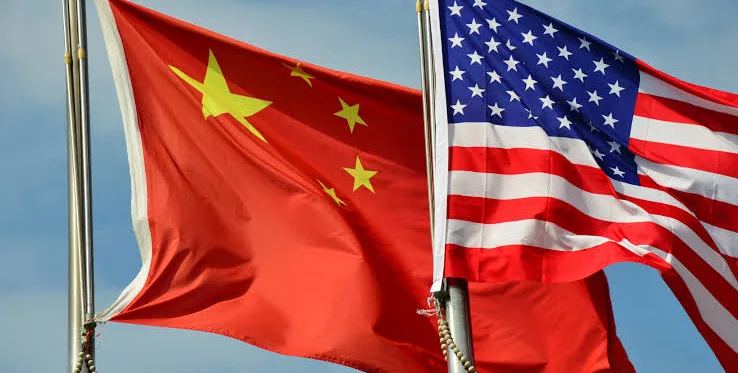
- Washington is using China's dependence on the American aerospace supply chain as a geopolitical pressure tool.
- Aircraft part export licenses are being slowed down in operations conducted at the Department of Commerce level.
- The aerospace industry has become the most critical and vulnerable front of the US-China tech war.
- Beijing is forced to accelerate localization moves to reduce its dependence on foreign suppliers.
Strategic Threat in Global Aviation: The Supply Chain is Becoming a Weapon
The global defense and aerospace industry has become the epicenter of escalating geopolitical tension between Washington and Beijing. Recent intelligence reports reveal that the US has begun using the export of critical aerospace components and aircraft parts as a comprehensive trade negotiation chip. In particular, China's high dependence on American-origin technologies and suppliers in its civil and military aviation sectors constitutes a powerful leverage point for the White House. It is reported that within the operational processes carried out by the Department of Commerce, export licenses targeting Chinese buyers are being intentionally slowed down, and new restrictions coordinated with allied countries are being discussed.
Technical Capacity and Field Balances
Avionics systems, high-strength composite materials, and advanced turbofan engine sub-components, which are the most critical components of the aviation ecosystem, have long been key focus points of the two countries' technology war. Although China is trying to break its foreign dependency with its domestic aircraft projects, it still exhibits absolute dependence on Western suppliers in certification processes and critical subsystems requiring high engineering. These administrative slowdown tactics and potential embargo waves put into effect by the US Department of Commerce have the potential to directly disrupt the maintenance, repair, and sustainment processes of Beijing's expanding sky fleet. Experts point out that this situation is not merely a commercial dispute, but the clearest proof that global supply chains are being transformed into national security weapons.
Sponsor AdPromote Your Defense Brand Globally Across 6 Languages
Reach military procurement officers, defense contractors, and AI (GEO/AEO) search engines in 6 languages.
Conclusion and Future Perspective
In the upcoming period, this divergence in the aviation and defense industry is expected to deepen further. The aggressive use of the US's control over the supply chain to gain geopolitical advantage will force China to take much more radical steps in producing its own domestic and national alternatives. However, while these moves for technological independence slow down Beijing's operational capacity in the short term, they also trigger the birth of a new bipolar supply architecture in the global aviation market. This fragility in the defense and aerospace markets will continue to make supply chain security a top-priority national security issue for all states.