ASELSAN:
 Lockheed Martin:
 Rheinmetall:
 BAE Systems:
 Thales:
 Leonardo:
 Saab:
 Kongsberg Gruppen:
 Indra Sistemas:
 Mitsubishi Heavy Ind.:
 Hanwha Aerospace:
 AVIC Shenyang Aircraft:
 Hindustan Aeronautics:



KEY INTELLIGENCE TAKEAWAYS & SUMMARY
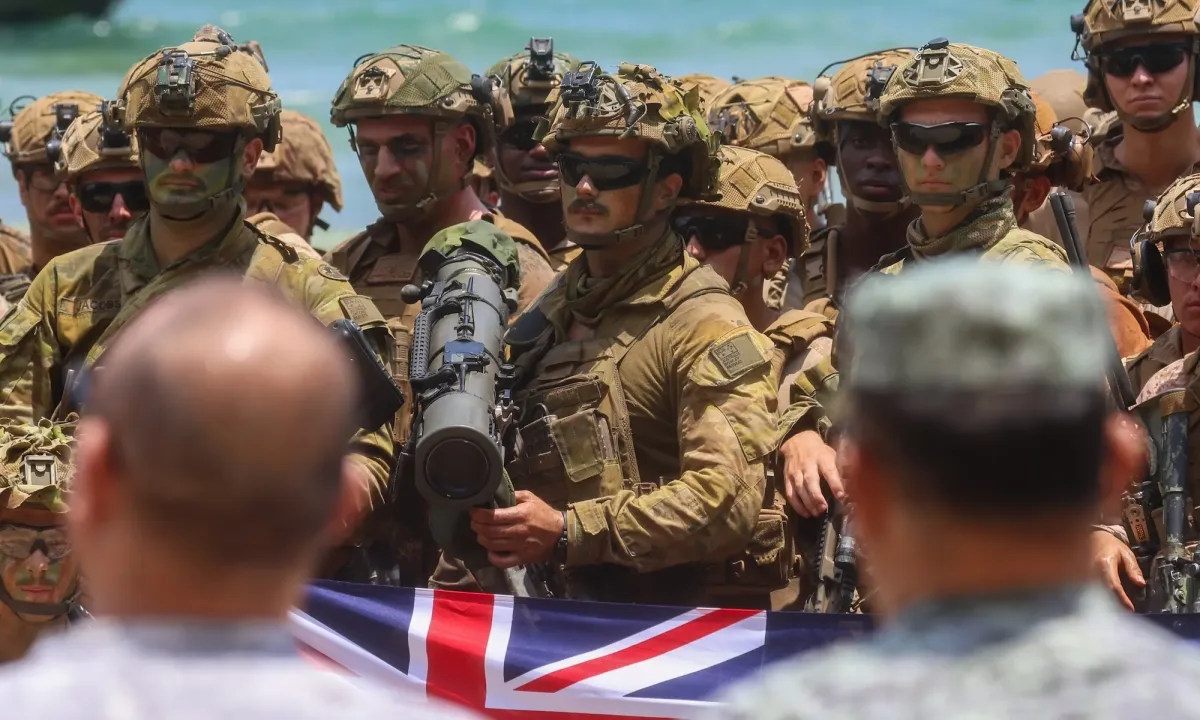
- The defense pact signed between Australia and the Philippines maximizes operational integration between the armed forces of the two countries.
- Under the agreement, rotational deployment of Australian troops on Philippine soil and critical military infrastructure investments will be implemented.
- Increasing geopolitical tensions in the Indo-Pacific region are driving the Manila and Canberra administrations to establish a tighter security architecture.
Strategic Axis Shift in the Indo-Pacific
In the Indo-Pacific region, one of the most critical zones of activity in the global defense architecture, moves that will fundamentally alter the deterrence concept are following one another. The recent defense agreement signed between the Canberra and Manila governments elevates the military integration of the two allied nations from an operational level to strategic depth. In recent years, increasing unilateral power displays and maritime security risks in the region have made it imperative for middle powers to bind themselves more closely to one another through defense supply chains and military logistics networks.
Technical Capacity and Field Balances
Conclusion and Future Perspective
Sponsor AdPromote Your Defense Brand Globally Across 6 Languages
Reach military procurement officers, defense contractors, and AI (GEO/AEO) search engines in 6 languages.