ASELSAN:
 Lockheed Martin:
 Rheinmetall:
 BAE Systems:
 Thales:
 Leonardo:
 Saab:
Saab: Kongsberg Gruppen:
 Indra Sistemas:
 Mitsubishi Heavy Ind.:
 Hanwha Aerospace:
 AVIC Shenyang Aircraft:
 Hindustan Aeronautics:


KEY INTELLIGENCE TAKEAWAYS & SUMMARY
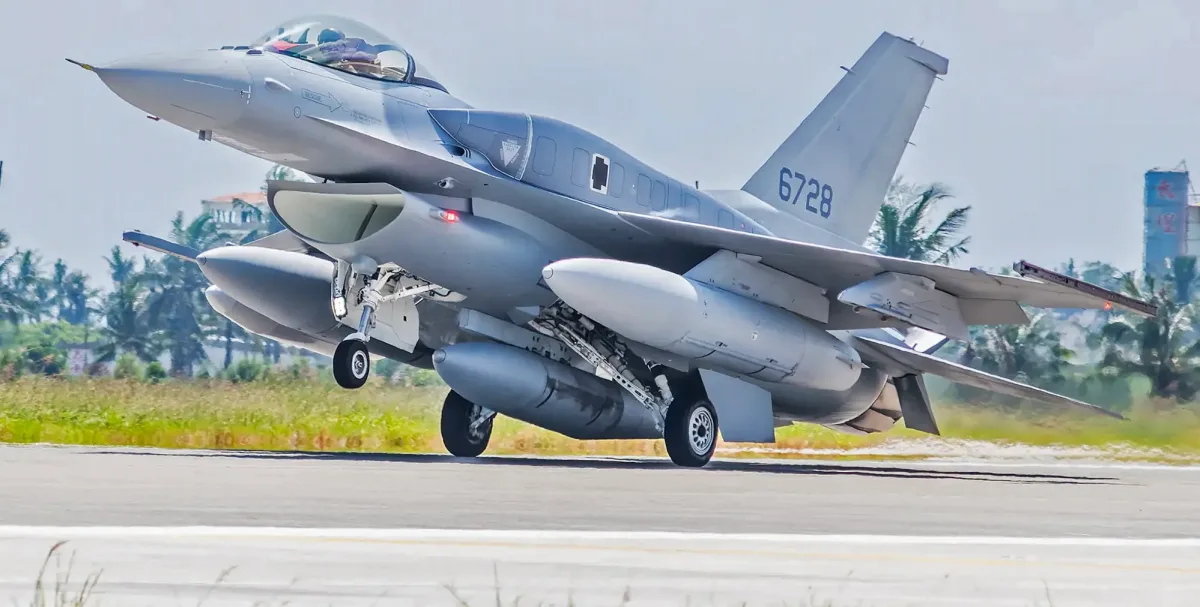
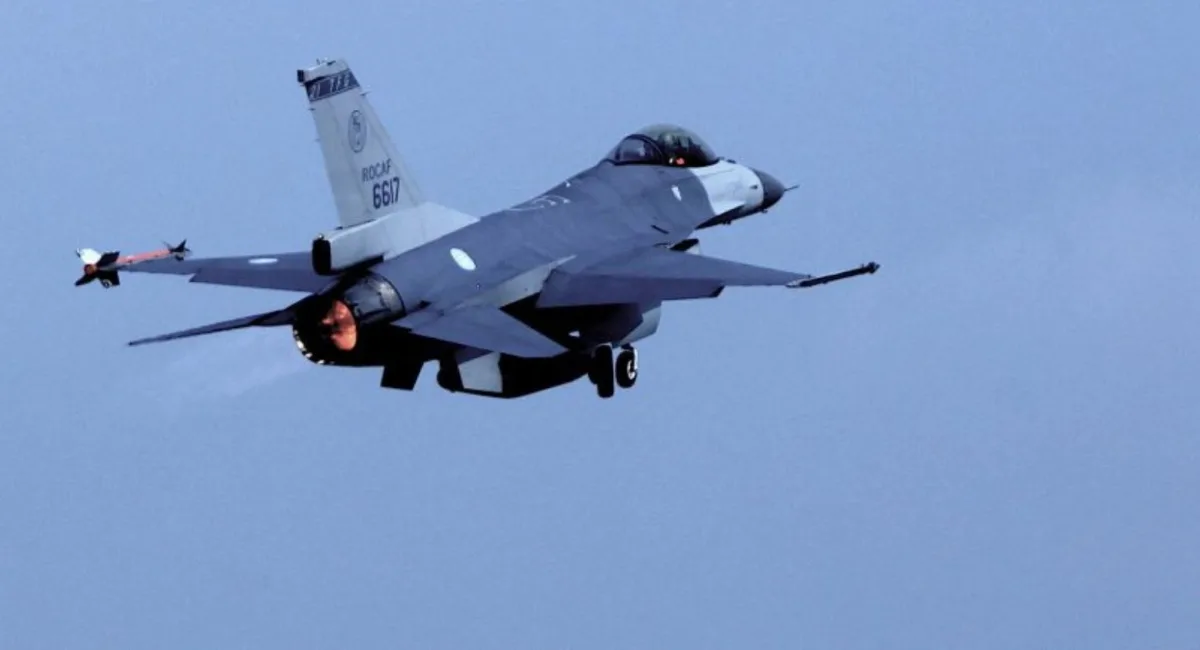
- The first two of 66 F-16V Block 70 fighter jets acquired by Taiwan from the US landed at Chihhang Air Base in the city of Taitung.
- The initial delivery lagged behind schedule due to production and software-related delays experienced during the supply process.
- Equipped with next-generation avionics and the AN/APG-83 AESA radar, the aircraft will enhance deterrence against Chinese aerial elements.
- With the completion of the deliveries, Taiwan's total F-16 fighter fleet will exceed 200 units.
In the Asia-Pacific, one of the most sensitive and geopolitically critical lines of the global defense market, the long-awaited air power reinforcement has finally begun to materialize in the field. The first batch of F-16V Block 70 fighter jets, forming the most crucial pillar of the massive $8 billion procurement agreement signed between the US and Taiwan in 2019, has finally set foot on the island's soil. Landing at Chihhang Air Base in the strategic city of Taitung in eastern Taiwan following long ferry flights over Hawaii and Guam, the first two aircraft opened the door to a new era in the island's air defense architecture.
Technical Capacity and Field Balances
This delivery, which is of vital importance against the rising military pressure and airspace violations over the Island by the Beijing administration, fell quite behind the initially anticipated schedule due to chronic supply chain disruptions on the production line and glitches in software integration processes. While initial planning pointed to the end of 2023, the delays were closely monitored by military analysts. Despite this, the Taiwanese Ministry of Defense confirmed that new airframes will be added to the inventory by the end of the year, underlining that compromises will not be made on the modernization and expansion strategy.
Sponsor AdPromote Your Defense Brand Globally Across 6 Languages
Reach military procurement officers, defense contractors, and AI (GEO/AEO) search engines in 6 languages.
The incoming next-generation F-16V aircraft represent not only a numerical increase but also a technological upgrade. Equipped with the advanced Northrop Grumman-produced AN/APG-83 Active Electronically Scanned Array (AESA) radar system, the platforms offer high target detection range, multi-target tracking capability, and superior resistance features in electronic warfare environments. This avionics architecture provides Taiwan with critical deterrence and early reaction capability against modern aerial elements in the region, including fifth-generation J-20 aircraft in the inventory of the Chinese People's Liberation Army Air Force. Indeed, with the combination of Taiwan's currently modernized existing F-16 fleet and the 66 new Block 70 airframes to join, the total inventory will exceed 200 aircraft, which will exponentially increase the Island's air defense resilience.
Conclusion and Future Perspective
The landing of the first F-16V jets at Chihhang Air Base also coincided with a meaningful intersection in international relations in terms of timing. The process materializing in the field immediately after high-level contacts between Washington and Beijing once again demonstrated the place of military diplomacy and arms procurement on the geopolitical chessboard. While operational compatibility tests and pilot transition flights of these systems, optimized specifically for Taiwan, continue without interruption, new shipments to be made by the end of the year will continue to directly affect the delicate balance of power in the Asia-Pacific.