ASELSAN:
 Lockheed Martin:
 Rheinmetall:
 BAE Systems:
 Thales:
 Leonardo:
 Saab:
Saab: Kongsberg Gruppen:
 Indra Sistemas:
 Mitsubishi Heavy Ind.:
 Hanwha Aerospace:
 AVIC Shenyang Aircraft:
 Hindustan Aeronautics:


KEY INTELLIGENCE TAKEAWAYS & SUMMARY
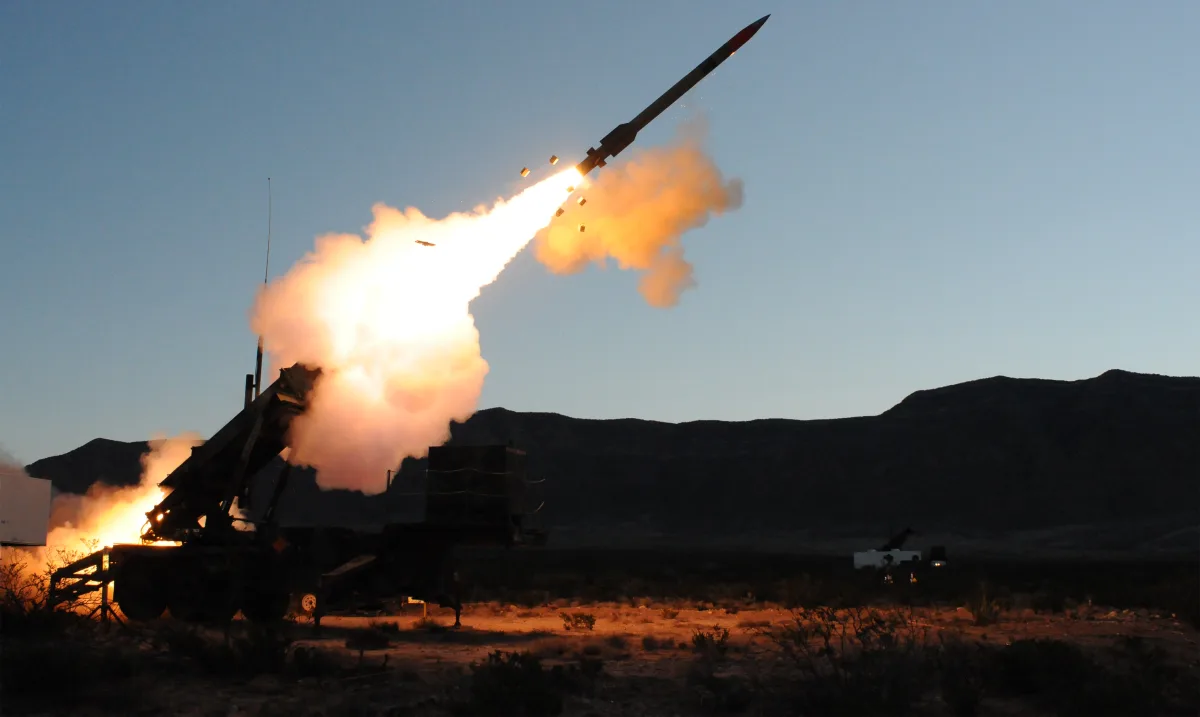
- Boeing and the Pentagon signed a critical seven‑year agreement worth about $14.7 billion to triple the production of PAC‑3 MSE interceptor warheads.
- Work to be carried out at Huntsville facilities in Alabama is directly coordinated with Lockheed Martin’s goal of increasing annual PAC‑3 missile production from 600 to 2,000 units.
- The system operates with 'hit‑to‑kill' technology against ballistic missiles, hypersonic threats, and enemy air platforms.
- The agreement is part of the U.S. Army’s strategy to optimize the use of high‑cost interception missiles against inexpensive munitions and to boost global allied defense capacity.
Production Mobilization in Global Air Defense Architecture
Technical Capacity and Advanced On‑Site Prevention Mechanisms
Conclusion and Future Perspective
Boeing's long‑term, massive contract that it signed is only a part of the industrial momentum the company has recently gained. The defense giant, which has entered a heavy ramp‑up with orders for sixth‑generation fighter aircraft and advanced fighter jets, continues to modernize its supply‑chain resilience and industrial base. This three‑fold increase in PAC‑3 interceptor warhead production is not just a volume expansion; it is also a proactive deterrence indicator against the changing nature of the modern battlefield. In the coming years, such serial production agreements are expected to form the backbone of the global missile‑defense architecture in the face of rising geopolitical risks.
Sponsor AdPromote Your Defense Brand Globally Across 6 Languages
Reach military procurement officers, defense contractors, and AI (GEO/AEO) search engines in 6 languages.