ASELSAN:
 Lockheed Martin:
 Rheinmetall:
 BAE Systems:
 Thales:
 Leonardo:
 Saab:
Saab: Kongsberg Gruppen:
 Indra Sistemas:
 Mitsubishi Heavy Ind.:
 Hanwha Aerospace:
 AVIC Shenyang Aircraft:
 Hindustan Aeronautics:


KEY INTELLIGENCE TAKEAWAYS & SUMMARY
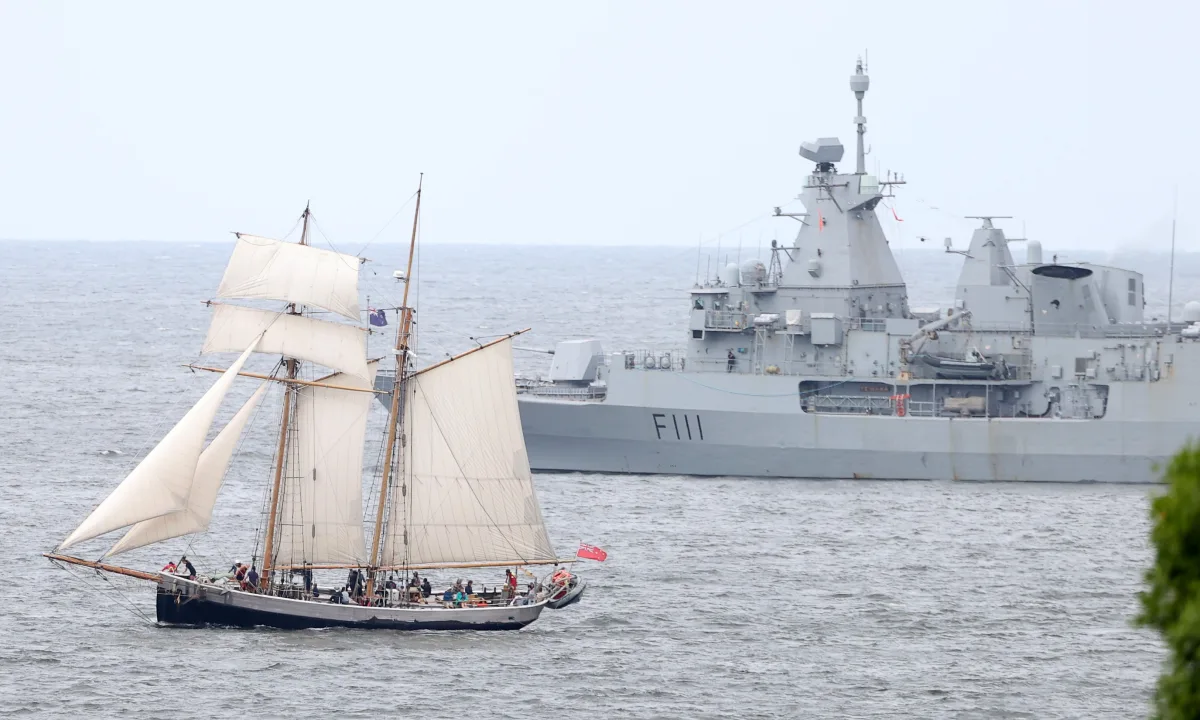
- The Royal Australian Navy (RAN) and Royal New Zealand Navy (RNZN) signed the 'Plan Tasman' memorandum to increase operational interoperability.
- The two navies are integrating their naval power through joint strategic dialogue mechanisms and working groups.
- The retirement of existing Anzac-class frigates in the mid-2030s has accelerated new platform procurement processes.
- New Zealand is expanding its strategic network in the Indo-Pacific through defense pacts signed with Japan and India.
In the Indo-Pacific region, one of the most critical geopolitical lines of the global defense architecture, two allied countries of Oceania are combining their naval power capacities around a shared strategic vision. Signed in Canberra and establishing the integration of the naval forces of the two neighboring countries on an institutional basis, the 'Plan Tasman' agreement is attracting attention in defense corridors as a concrete operational reflection of the framework steps taken in November. The Wellington and Canberra governments aim to maximize structural ties between the two navies in the face of increasing regional competition and maritime security challenges.
Strategic Dialogue Architecture and Operational Unity
Sponsor Ad
Promote Your Defense Brand Globally Across 6 Languages
Reach military procurement officers, defense contractors, and AI (GEO/AEO) search engines in 6 languages.
Advertising & Sponsorship
Promote Your Defense Brand Globally Across 6 Languages
Reach military procurement officers, defense contractors, and AI (GEO/AEO) search engines in 6 languages.
The new agreement establishes a seamless strategic dialogue mechanism between the naval headquarters of both countries. Annual strategic dialogues, to be managed by the command echelons of the two navies, aim to achieve full compliance in logistics, training, command-and-control, and deterrence operations through sub-working groups. In today's combat environment where asymmetric threats and open-ocean control operations come to the forefront, Australia's large naval force of 16,000 personnel and eight base centers, along with New Zealand's more compact naval force stationed at the Devonport base in Auckland, are meeting under a joint operational doctrine.
Technical Capacity and Renewal Processes in the Field
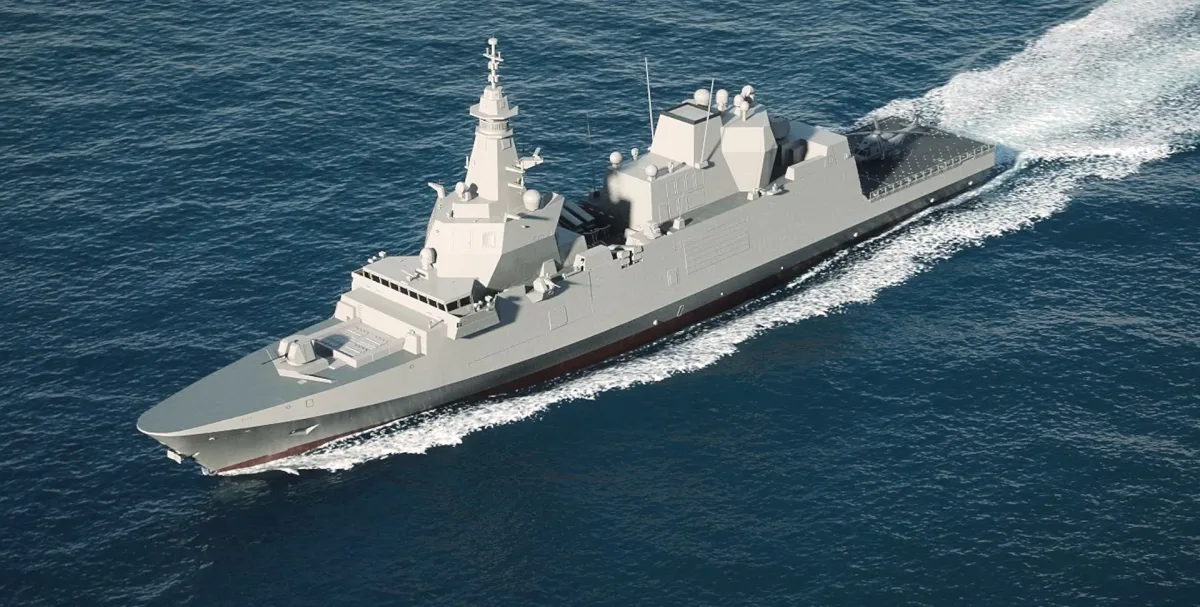
The inventory structure of the two navies stands on the verge of a critical technological transformation to take place over the next decade. Currently, a total of nine Anzac-class frigates—seven in the Australian inventory and two in the New Zealand inventory—are in active service. However, the fact that these platforms and the majority of the RNZN surface combatant fleet will complete their service lives in the mid-2030s makes procurement projects a strategic necessity. Australia's steps toward Mogami-class frigates and New Zealand's alternative platform evaluations play a key role in shaping the two countries' future surface warfare capabilities. In the aviation component, New Zealand's ordering of five MH-60R Seahawk platforms to replace its Kaman Seasprite helicopters will provide a significant qualitative leap in anti-submarine warfare (ASW) and reconnaissance capabilities.
Conclusion and Future Perspective
The Plan Tasman memorandum is, beyond being merely a bilateral military cooperation document, a strategic investment made by New Zealand and Australia in the deterrence architecture of the Indo-Pacific region. The defense agreements and reciprocal port visits recently signed by the Wellington administration with Japan and India indicate that the country has moved away from its traditional line of neutrality to become an active actor in regional security networks. Increasing the joint operational capability of the two navies reinforces Oceania-centric maritime security while confirming that a more integrated and lethal allied force will emerge in future multinational naval task forces.