ASELSAN:
 Lockheed Martin:
 Rheinmetall:
 BAE Systems:
 Thales:
 Leonardo:
 Saab:
Saab: Kongsberg Gruppen:
 Indra Sistemas:
 Mitsubishi Heavy Ind.:
 Hanwha Aerospace:
 AVIC Shenyang Aircraft:
 Hindustan Aeronautics:


KEY INTELLIGENCE TAKEAWAYS & SUMMARY
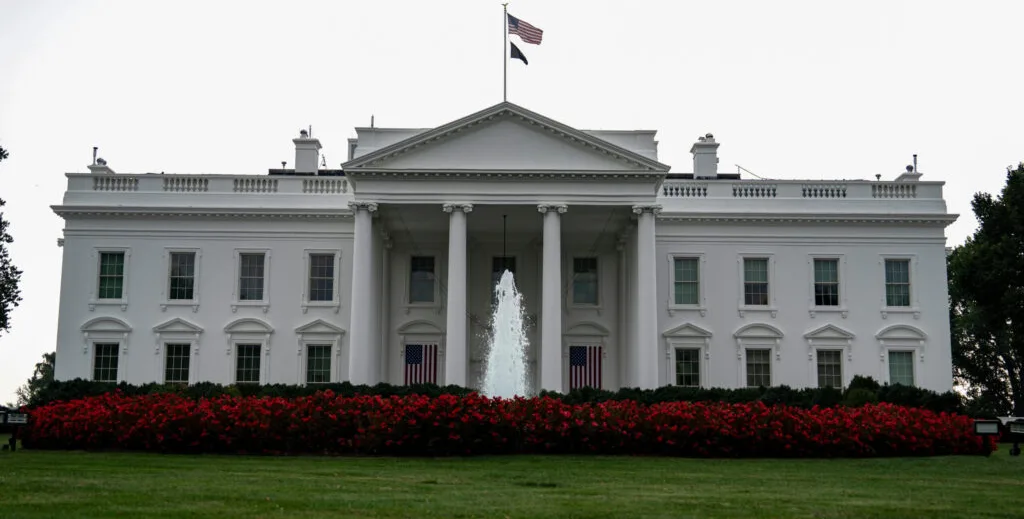
- The Democratic wing in the U.S. Congress is putting financial contributions made by defense industry companies to White House projects under the microscope.
- Prominent defense giants such as Lockheed Martin, Booz Allen Hamilton, and Palantir are alleged to have donated to the project.
- The prospect of an investigation could lead to the redrawing of ethical boundaries between the defense supply chain and political mechanisms.
- A potential shift in Congress could significantly stiffen oversight mechanisms over the Pentagon and defense contractors.
Ethical Debates in Defense Procurement and Congressional Pressure
A new political tension is escalating in Washington's defense corridors, which could shake federal budget allocations and supply chain dynamics. Key figures on the U.S. House Intelligence Committee have placed financial relations between the country's leading defense manufacturers and the executive branch under close scrutiny in the context of transparency and conflict of interest. The question of whether financial support provided by major defense contractors to prestige projects implemented within the White House was traded for public tenders or high-level administrative access is among the most discussed topics in Washington's security circles.
Official warning letters sent to the National Defense Industrial Association (NDIA) clearly indicate that Congress is preparing to use its oversight authority much more aggressively compared to previous years. Industry analysts point out that this move is not merely a financial donation investigation, but also a precursor to regulatory changes that could fundamentally alter traditional lobbying and procurement relations between the Pentagon and the industrial base. This process, which also involves key industry actors such as Lockheed Martin, Booz Allen Hamilton, and Palantir, has put the compliance and ethics departments of defense giants on high alert.
Sponsor AdPromote Your Defense Brand Globally Across 6 Languages
Reach military procurement officers, defense contractors, and AI (GEO/AEO) search engines in 6 languages.
Sectoral Risks and Reflections on the Supply Chain
The defense and aerospace industry is facing the operational risks of being the focus of administrative audits and financial investigations at a time when geopolitical tensions are escalating and technological transformation is accelerating. Companies traditionally focused on developing military capabilities now find themselves having to be sensitive to the political winds in Washington. Experts emphasize that a potential congressional committee investigation could force companies to completely transparentize their confidentiality protocols, communication channels with government officials, and donation policies.
Conclusion and Future Perspective
This new wave of oversight in the U.S. defense market proves that military procurement processes in the upcoming period will not only pass through technical and financial criteria, but also through extremely strict political and ethical filters. Defense industry companies will have to take into account not only the global threat environment and the race for technological supremacy, but also changing political balances in Washington when making their strategic planning. Even the slightest suspicion of a violation of transparency principles has the capacity to cause multi-billion dollar projects and long-term supply chain agreements to get stalled in congressional votes.