ASELSAN:
 Lockheed Martin:
 Rheinmetall:
 BAE Systems:
 Thales:
 Leonardo:
 Saab:
 Kongsberg Gruppen:
 Indra Sistemas:
 Mitsubishi Heavy Ind.:
 Hanwha Aerospace:
 AVIC Shenyang Aircraft:
 Hindustan Aeronautics:



KEY INTELLIGENCE TAKEAWAYS & SUMMARY
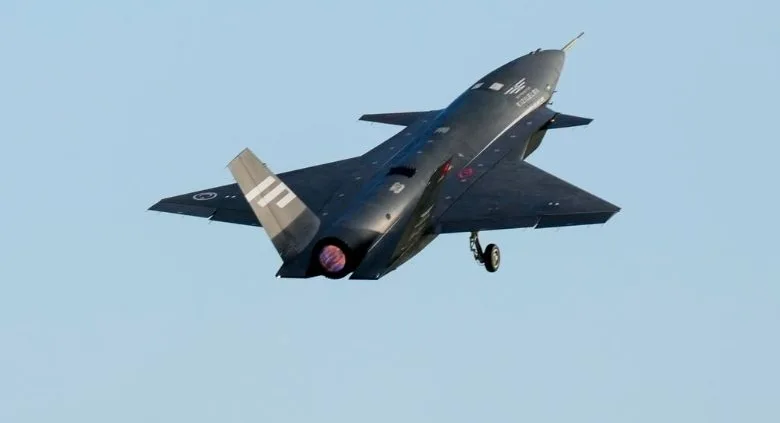
- KIZILELMA's initial batch deliveries positioned Turkey among the pioneer countries in the world to actively include an unmanned combat aerial vehicle in its inventory.
- International analyses highlighted its low radar cross-section (low observability), AESA radar integration, and capability to operate from amphibious assault ships such as TCG Anadolu.
- Assessments in the Greek and Western media emphasized that the project challenges traditional aviation paradigms with its financial efficiency.
- It was confirmed that the platform is rapidly spreading in the global market through its export potential and strategic partnerships such as Indonesia.
Paradigm Shift in Global Aviation
Technical Capacity and Balances in the Field
Conclusion and Future Perspective
With KIZILELMA entering the inventory, Turkey has proven that it has become not only a domestic user in the league of unmanned combat aerial vehicles, but also a global market actor. The platform, which will elevate its performance even further with the integration of the TF6000 domestic turbofan engine, is expanding its global export network through international cooperation agreements (as in the case of Indonesia). Expected to revolutionize air-to-air combat in the post-2026 period, the KIZILELMA family will continue to form the backbone of a new-generation deterrence architecture entirely based on network-centric and autonomous systems, leaving behind the traditional air force model.
Sponsor AdPromote Your Defense Brand Globally Across 6 Languages
Reach military procurement officers, defense contractors, and AI (GEO/AEO) search engines in 6 languages.